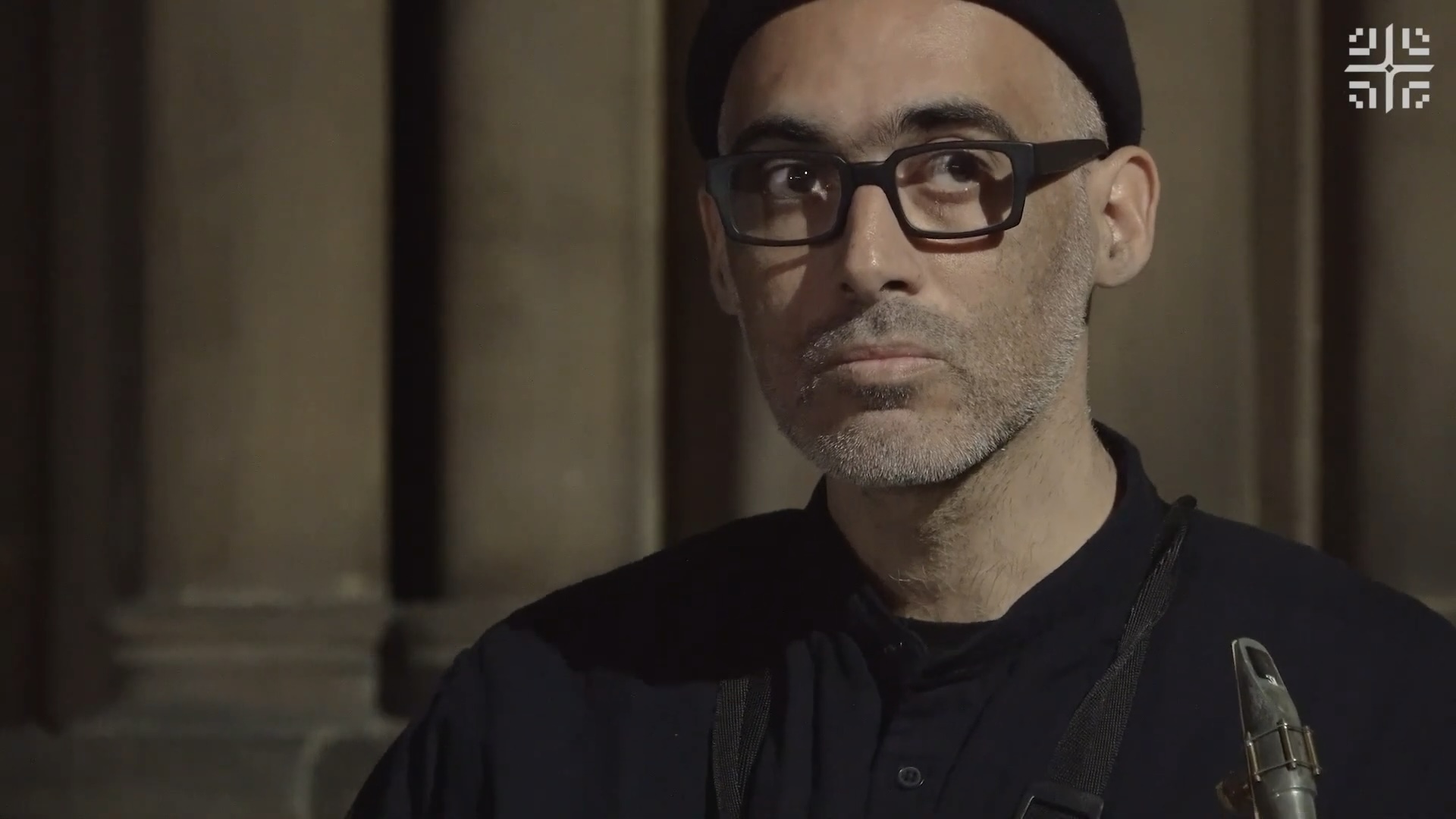
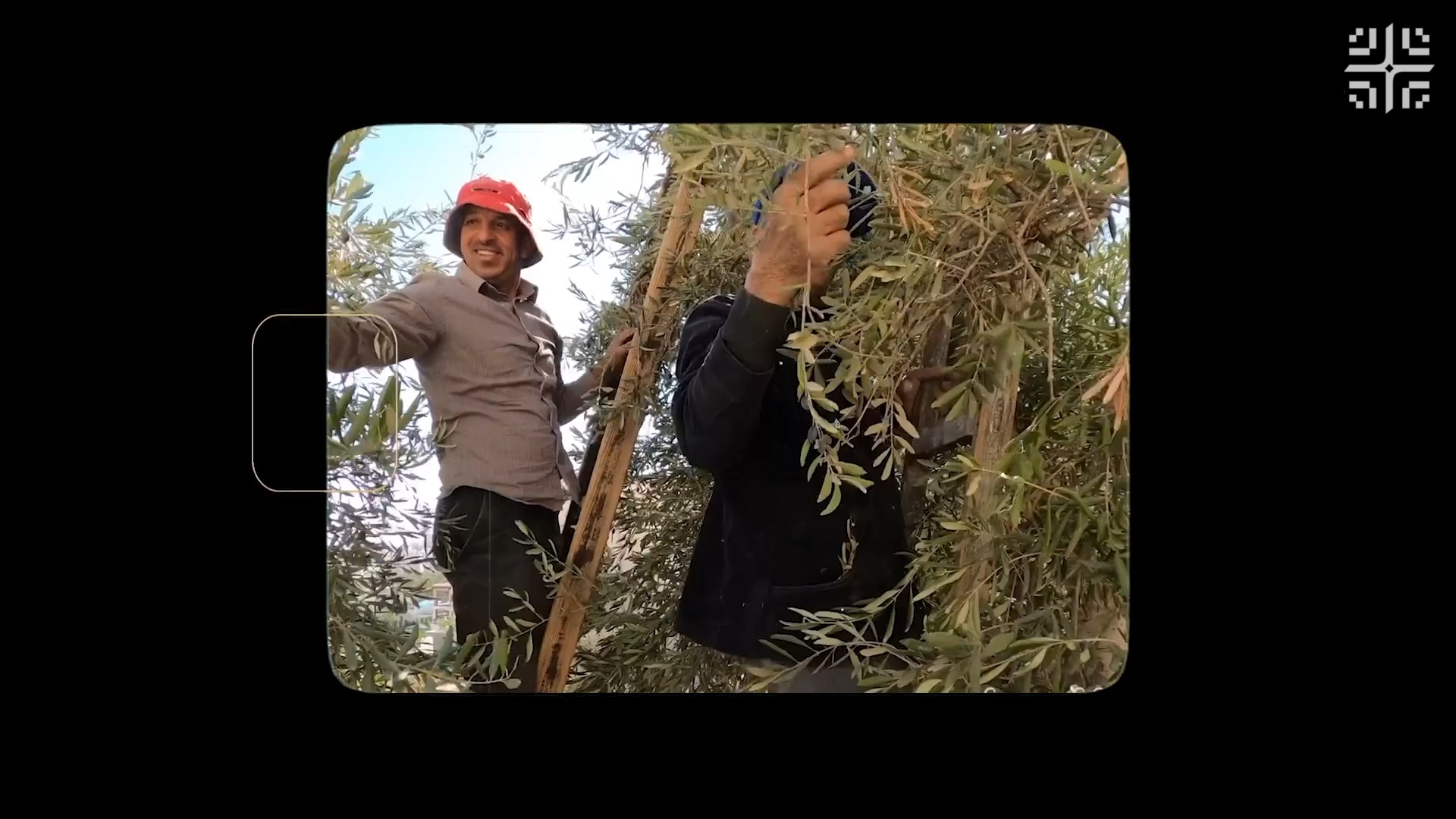
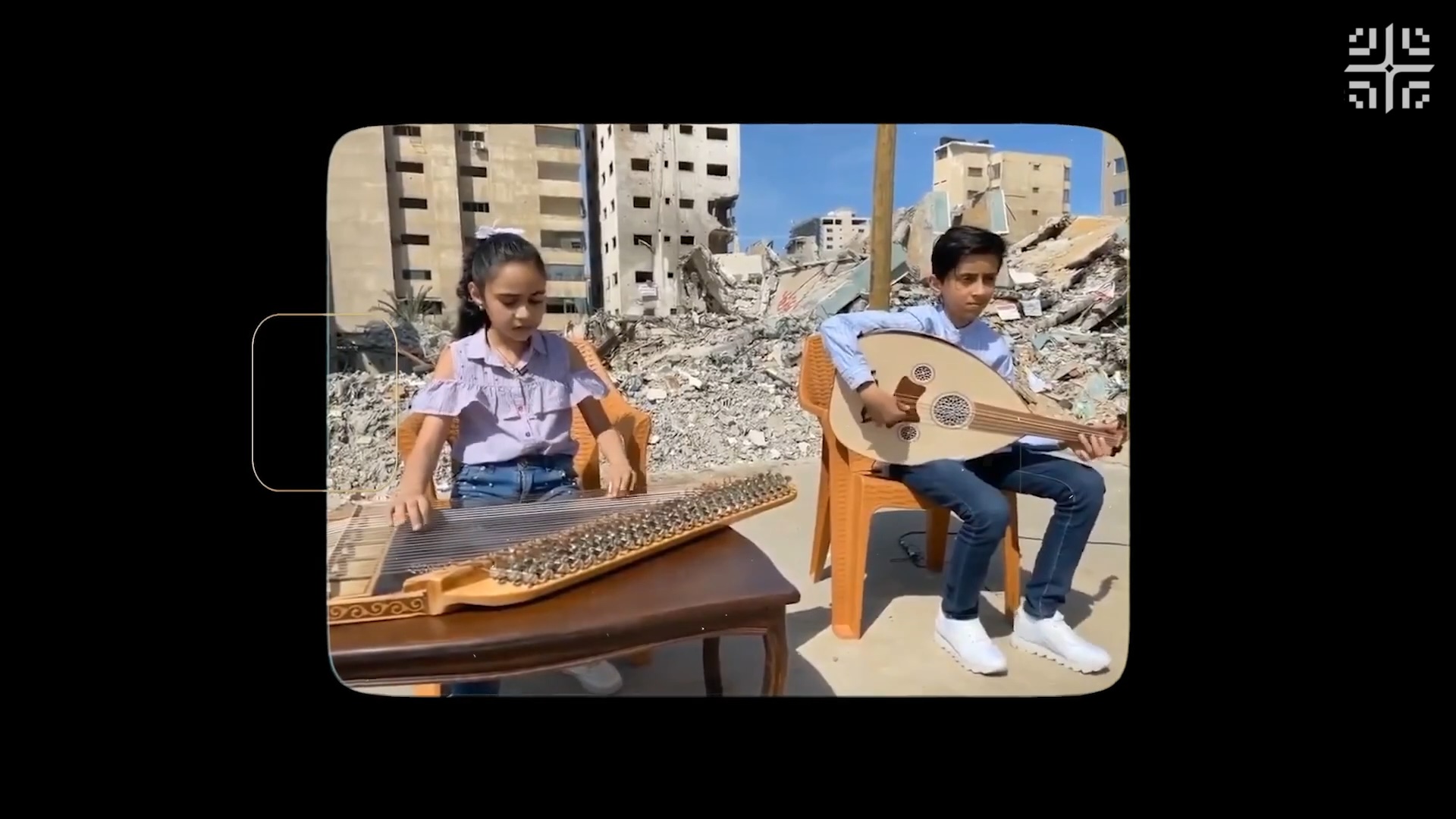
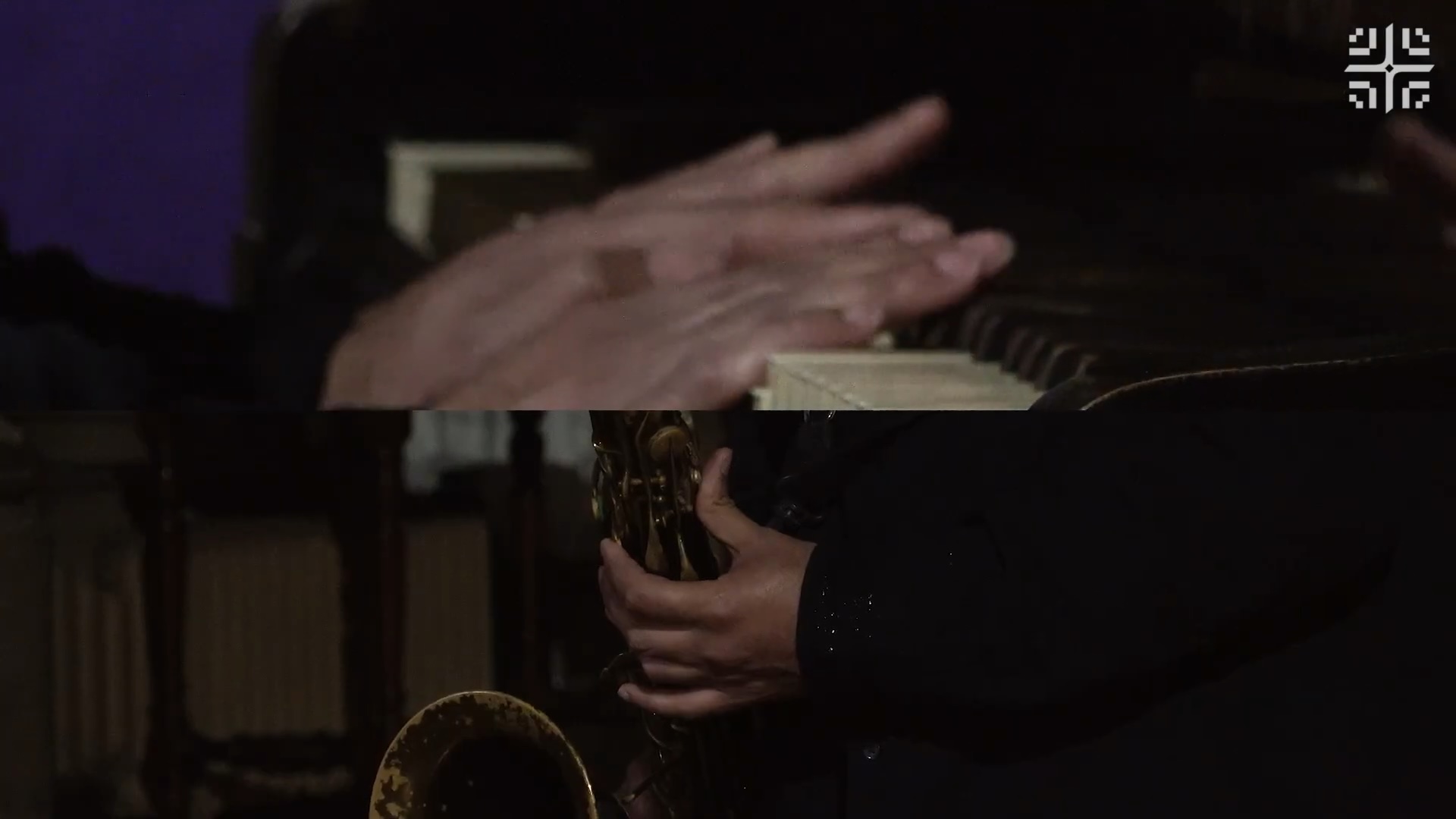
“The future is now … you have to do everything you can to actually make it stop now. You have to persist with your faith and also your practice.” In a film released today, Palestinian musician and sound artist Dirar Kalash reflects on stopping genocide and the nature of sound and humanity. Fellow composer Sami El-Enany directs and pieces together the sonic story.
I’ve written about Dirar’s music and collaborations for some years. Now, this is a message with urgency that matters down to the minute.
This film is about the genocide of the Palestinian people and how to end it. But it’s also about all collectivity, fundamentally, about collective humanity. So if Dirar seems to be more connected with that in his practice, it’s a challenge to all of us, collectively, to be more connected with one another. And a moment of crisis, when humanity seems to be unraveling, is the most crucial moment to leap forward.
Sami’s done such a beautiful, compassionate job of directing and adding images, and Dirar has so much poetry to share, I don’t even want to say much more. This is about language failing, but Dirar seems to be doing okay there and — the musical score adds all the dimensions beyond those words.
I’ll include some of those words here, just because no one can hear me pounding the table in agreement as I listen to Dirar sitting in my studio, writing this.
“When you see yourself as a human being, you see yourself as part of humanity, as part of a whole … you know how sound travels and how sound moves? It’s not one-dimensional. Sound, as such — it doesn’t even exist. And that’s what makes me make all of those connections between humanity and between sound and music.
Sound as such doesn’t exist. You need many things to make it possible. You need to excite something. You need to resonate. You need space for the sound waves to move. And that’s how I see humanity, also. You can’t just exist by yourself. You can’t have a language by yourself. You can’t have feelings by yourself.”
“Hunger is part of your relationship with abundance around you.”
“It’s not the moment to believe in hopes … it’s the moment of persistence and deeds. Even if it’s just the smallest thing. Even if it’s just words.”
“There’s nothing to wait for. We have to act.”
“I get very annoyed when I hear people say, what can we do about it? Just the fact of thinking that you can’t do anything about that, then you are defeated, actually. That’s what makes the genocide go on.”
“I think music happens to give answers to all of that, if we give ourselves time and space to actually listen and be with the musician. As musicians and as an audience, you don’t have anything to lose in music.”
I remember now in the late 90s, we had a film with the slain Ogoni Nigerian writer and activist Ken Saro-Wiwa that we showed whenever doing activist events. That one short film was as strong an action piece as any essay or any protest. I never got tired of seeing it and sharing it with other people, because it was impossible to watch to the end and not want to go out and act. So please — share this film. What you do that makes sense where you are, or for your community, may differ, but I think you’ll figure that out. Dirar, Sami, and the team here have made a story that is not about hope, but about finally achieving the future in this moment. In this moment.
And literally, this is as I was hitting publish, this is the strikes right now at around midnight Berlin time (1 am in Palestine) — more explosions in the dark: