From Joy Moughanni to Al Shatea Band, Fake Lines: Sono Levant from the non-profit, “non-label” Fake Lines draws together sounds from across diasporas and identities in a time of genocide, erasure, and division. It’s premiering now as I write this on Radio Alhara, with a release coming later this month (and tracks to preview). And it supports a vital cause: giving Gaza back its food sovereignty.
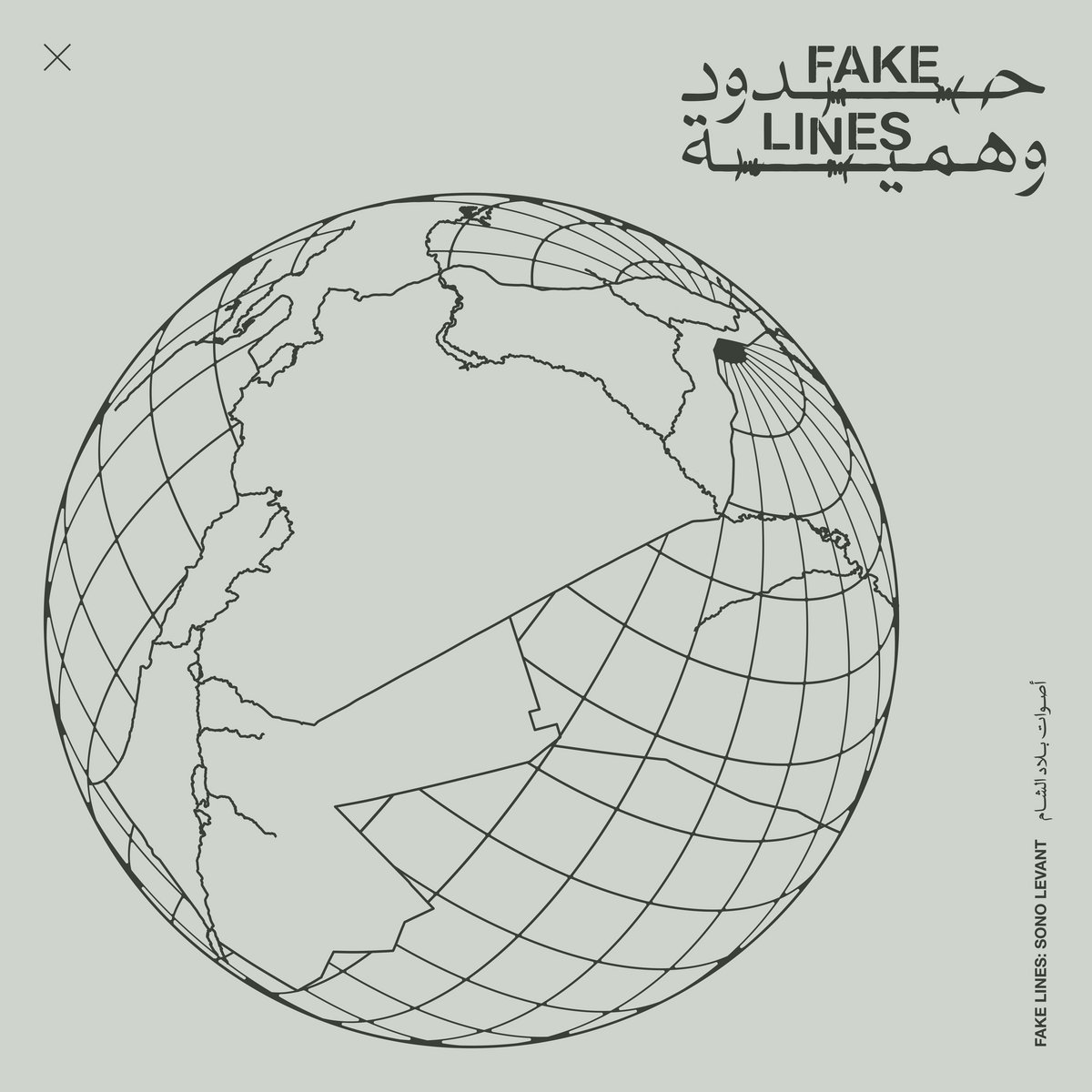
Various artists I’ve followed here, especially calling out the delicate transcendance of the work by my friend John Kameel Farah, a Canadian-Palestinian artist based here, with Oma J. There’s a mission here, both in bringing together that which has been divided by artificial colonial lines and imposed politics, in the urgency of Israel’s genocide of Palestinians and ongoing attacks on Lebanon and occupation of southern Lebanon.
I don’t even know what to call the Levant in place of the French word Levant. Maybe it’s better if I don’t have just one answer to that. There’s the ancient Egyptian Retjenu, which can morph into Khor. There’s the native Canaan, which is bound up with Hebrew identity (and likely predates their formation as a group, so we’re really getting ancient). Or there’s Shaam, which I think is now preferred by many, in Arabic, and has a nice ring to it. There are terms from the place, and terms from outside the place, and the two even mix.
But listening to the full vinyl and excerpts from digital, this is a compilation full of emotion. It’s a protest. It gives voice to feelings that political texts alone can’t contain.
This is not to imply that compilations will help the current situation or substitute for real and urgent material action. But those actions also require bringing people together, connecting with emotions. And as artists evaluate where our income comes from, how our value is measured (and value destroyed), we need projects like this, too. We need them to erase dividing lines instead of silencing voices, and find different models for valuing and compensating artists.
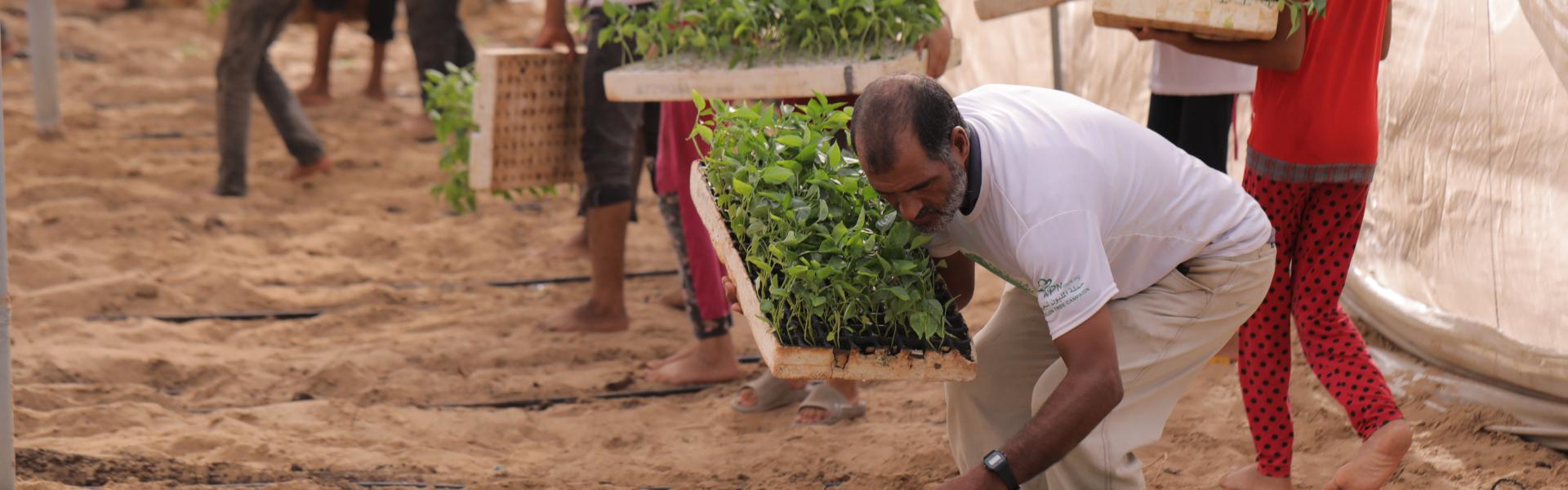
Pictured above and at top, images of the project they’re supporting — which you can also support directly.
In response to the urgent pleas of Gaza’s farmers, we launched an emergency relief and development campaign in March 2024 to rehabilitate the agricultural sector and resist the starvation war—firm in our belief that the agricultural sector can regain its vitality if provided with essential production inputs.
Here’s how the compilation organizers describe the work:
Every fake line drawn by colonizers implies the violence of division by splitting communities that share deep history, culture and identity. The “Fake Lines: Sono Levant” compilation confronts this colonial legacy head on, especially as the genocide in Gaza is enabled by the fragmentation of surrounding countries into pseudo states; products of imperial divide and conquer tactics that leave them stripped of real sovereignty.
This 36-track compilation unites artists from the fractured and conquered Levant region and its diaspora, alongside guest musicians from Tunisia, Algeria, Iraq, Turkey, France, Venezuela, Italy and India. Spanning alternative and anti-pop sounds, the compilation journeys through folk, experimental, rock, hip-hop, ambient, electronica & everything in between.
This project began from a place of anger and feeling useless during the zionist genocide in Gaza, this project was initiated in hopes of feeling that we have done something. Yet even upon finalizing the project and preparing to release it into the world, that feeling did not disappear, and the void has not been filled. As music workers, we do what we do best: communicate our thoughts and philosophy through music. More than just music, “Fake Lines: Sono Levant” is a bold cultural act of non-compliance with the current state of affairs in the Levant. Born from the deliberate fragmentation imposed on the region to weaken its unity, the compilation seeks to reconnect and amplify its shared identity through creative collaboration and artistic solidarity. We strive for an alternative world where there are no lines draw between us and our priorities are fairly aligned and more developed than in the world we live in now.
Majority of the revenue generated from this project will directly support grassroots organizations in Palestine, with the remainder fairly distributed among the participating artists.
Proceeds from the compilation will directly support APN (Arab Group for the Protection of Nature) and their initiative Revive Gaza’s Farmland — a grassroots project dedicated to restoring agricultural life and food sovereignty in Gaza. Learn more about their work here: apnature.org/en/programmes/revive-gazas-farmland-project
Released via Fake Lines, a non-profit record label established during the genocide in Gaza, and in collaboration with music distribution platform Proton Radio, this project ensures that neither party takes royalties, prioritizing fundraising and the artists.
This album is dedicated to nasheed musician Hamza Abu Qenas and his friends, who was murdered by the zionist occupation on October 14th, 2024. On his last social media post, he was joking around with Ismail and Anas, saying: “If we are martyred make a song for us”.
Word is getting out about Gaza and Palestine, so in the interests of erasing some of those dividing lines, let me also talk about Lebanon — because it’s critical to understand the way these stories are connected. Yesterday was the anniversary of the expanded war on Lebanon, and independent media outlet Megaphone has this moving piece coming back to a farm one year later. It is absolutely a microcosm of what is being done to Palestine — in Gaza and the West Bank — in addition to full-scale genocide in Gaza.
And of course, food brings us together. Kousa Mahsi was my favorite growing up an ocean away, the thing I would ask for loudly as a child. That I now have a hand, guilt in denying that to people who share a history with my ancestors is a deep, deep shame.
But these farms can be reclaimed — these voices insist on life — and we can and must support that:
Returning to Gaza (like I said, we need to connect these concepts, there and where we live, too) — here’s Al Jazeera’s reporting on the project:
One more from John that feels appropriate: