It leaked, you saw it — it’s real, it’s huge. In addition to its recent MPC Live III, Akai has a big mama standalone called the MPC XL with more dedicated controls and a big 10.1” display — but mostly the same innards. Let’s explain.
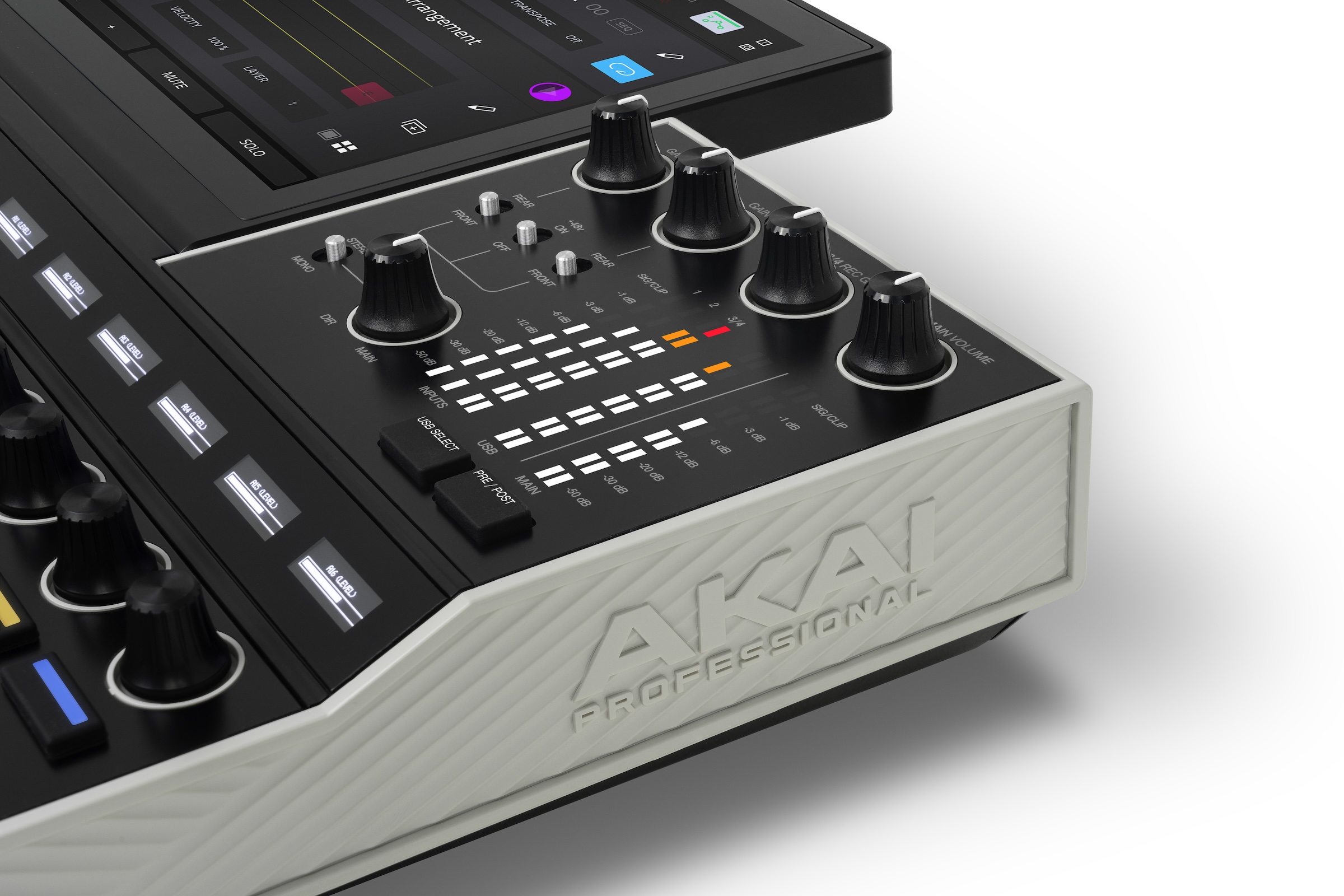
Akai has actually gotten a bit Apple-like with their lineup. Pay more, and you get that larger display and extra controls. Under the hood, the architecture is shared: this is still their new second-generation 8-core ARM processor, just like in the Live III, plus the new multi-dimension expressive MPCe pads. And that common architecture does mean that the Live III is still your choice if you want something more compact, more affordable, and that runs on batteries.
But if you want a big studio machine that you can literally use to replace the entire computer rig? Meet the XL.
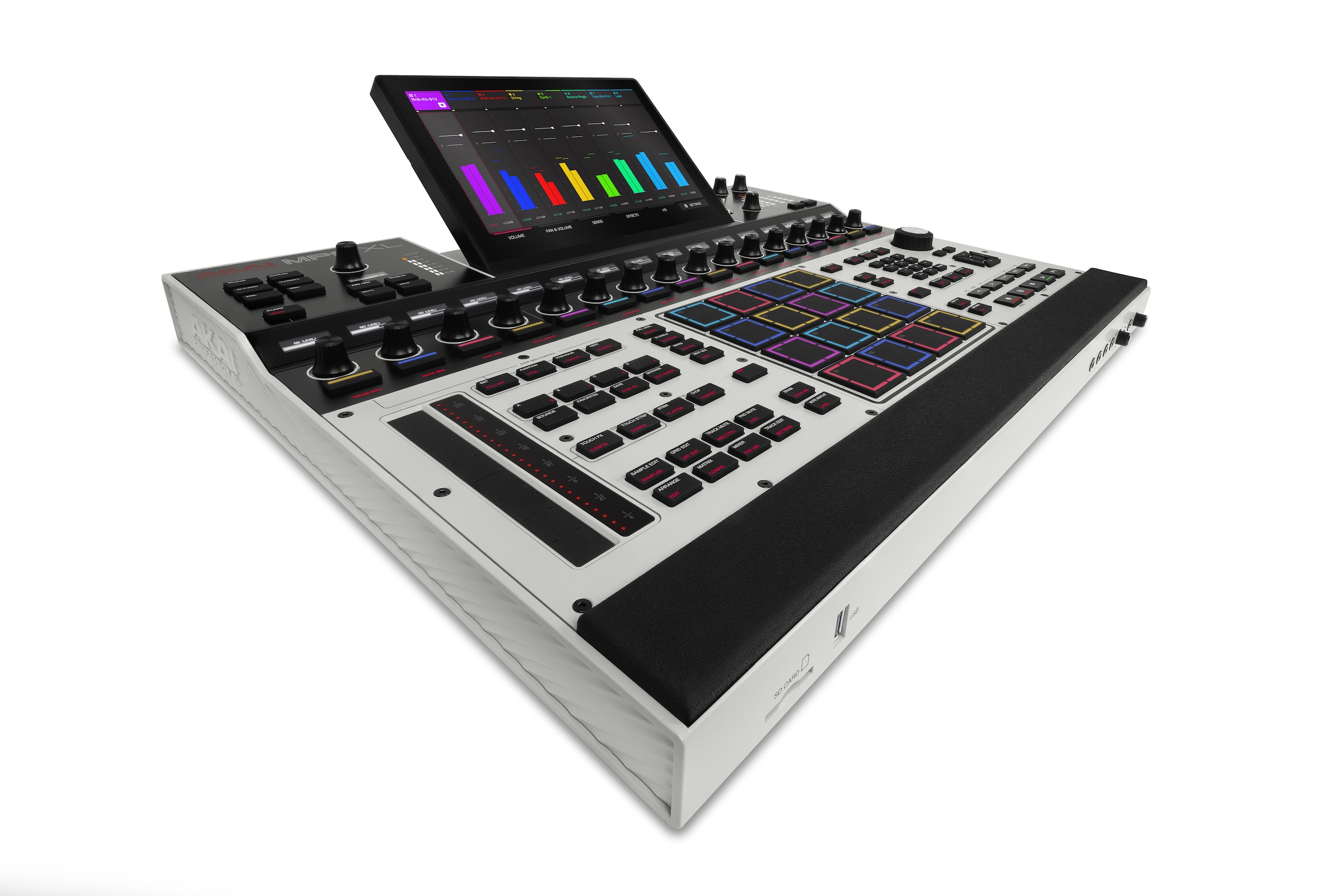
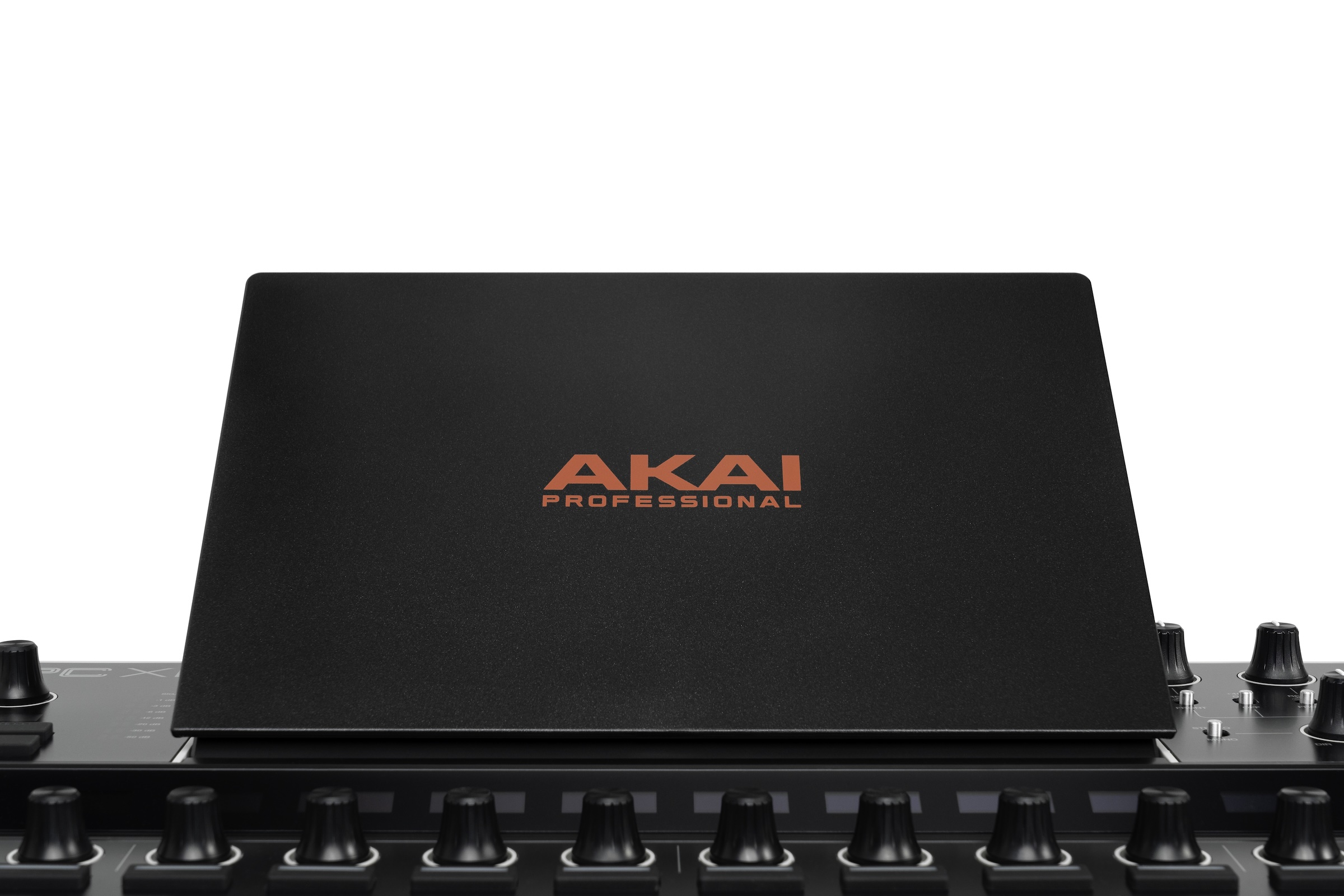
That starts with that 10” multi-gesture touchscreen that you can tilt to get the best viewing angle. (The Live III is a more basic, fixed 7” model.) They’ve also upped the content bundle, it seems, with both Native Instruments and in-house content. (Yeah, Maschine does feel like it’s been long on its way out, as it falls behind competitors.) You do also get more RAM, which in the Year of AI says a lot — a full 16GB of RAM, up from 8GB, means the ability to run more plugins simultaneously.
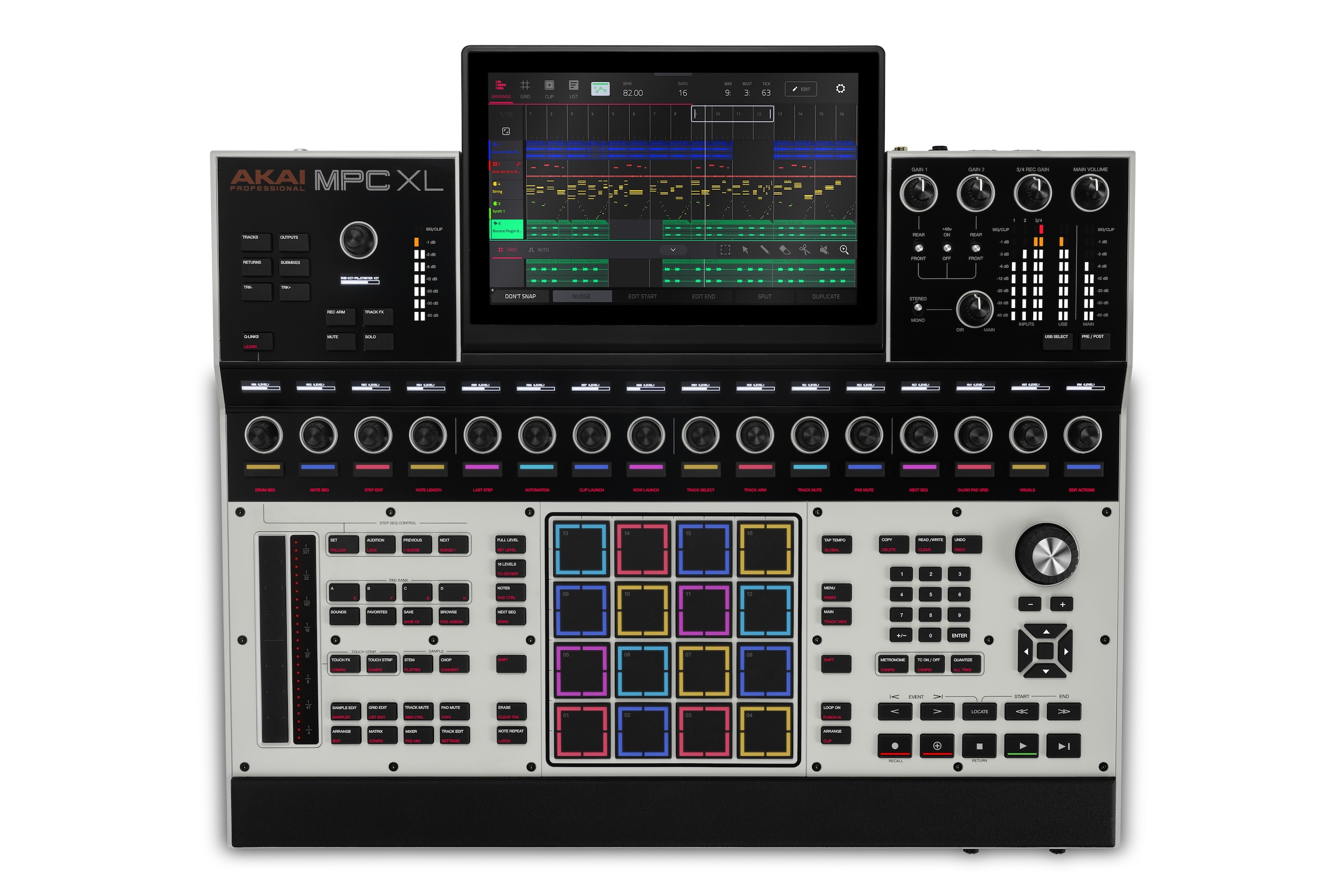
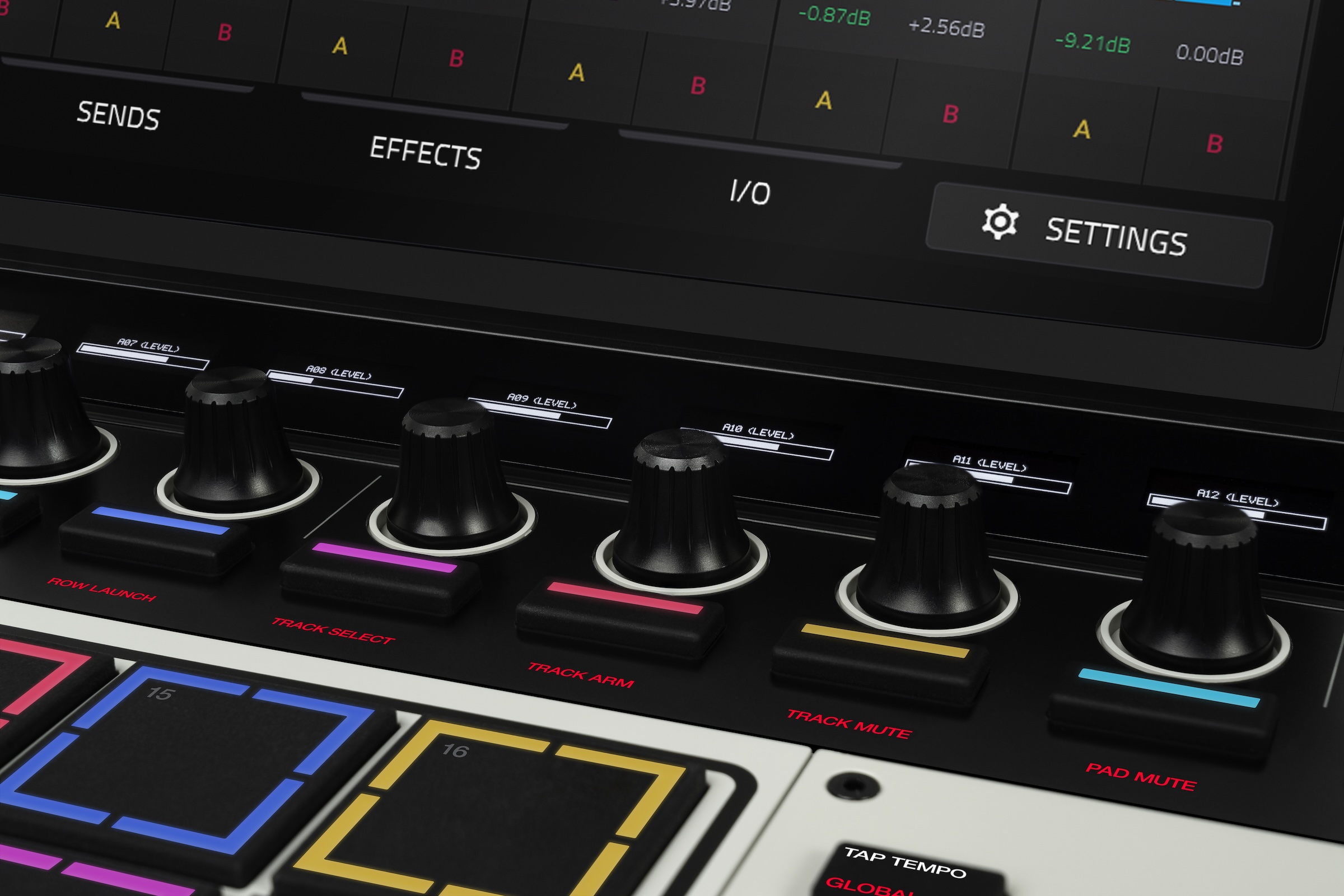
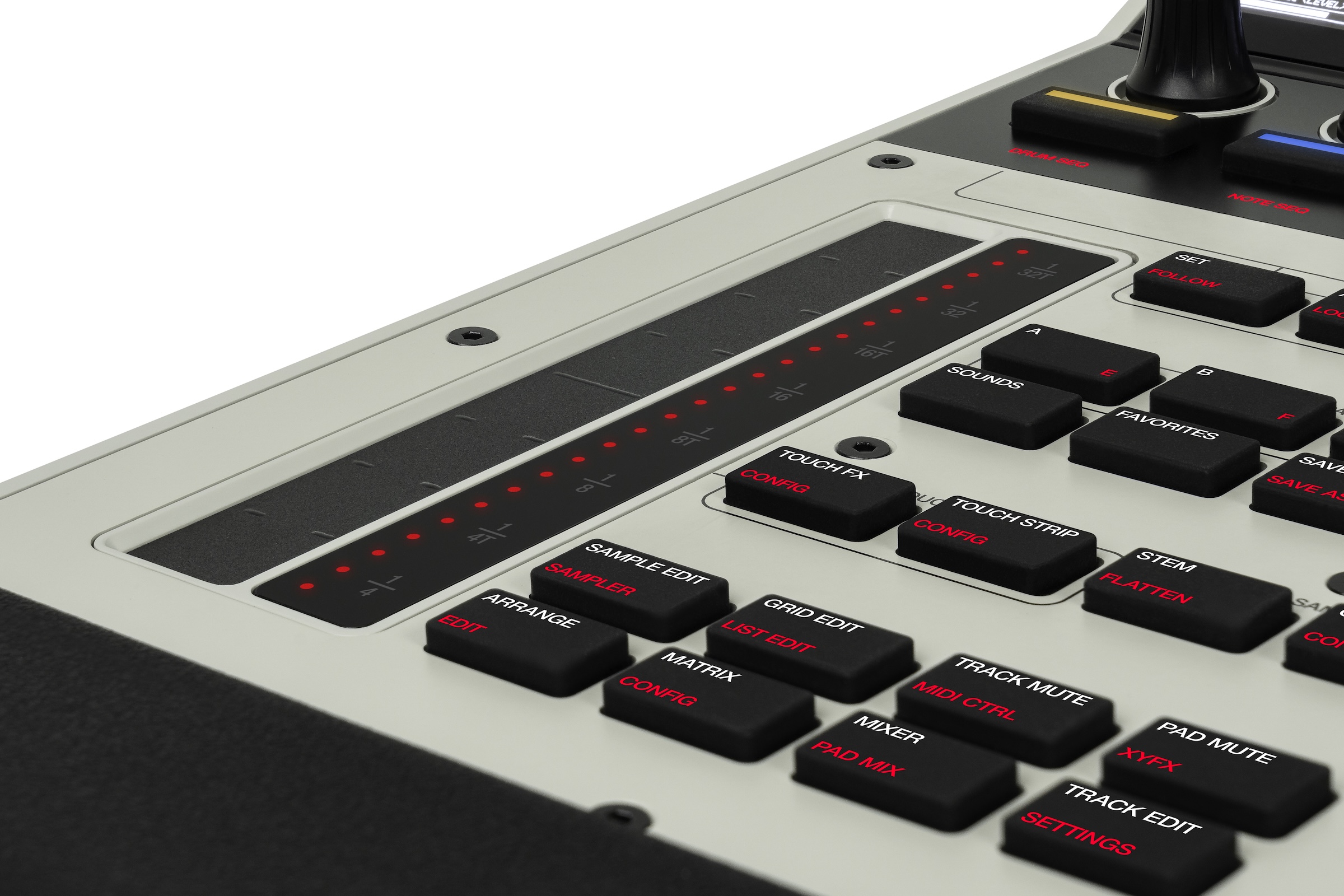
It’s just what they’ve done around the screen that feels maxed out. There are a whole lot of additional hands-on controls — more of everything. Like touch strips? This has two instead of one. Encoders? How about an update from 4+1 control encoders to 16+4? Dedicated shortcut keys? This is as close to one-key-per-function as I think any beatmaking production hardware with this workflow has ever been.
And check those big meters. The new XL feels almost like the love child of an MPC, a 2000s car stereo, and a mixing desk. This is Super Sized, Cadillac Escalade-style drum machine maximalism in a form I haven’t seen since… well, just about ever. (And I once reviewed the Roland MV-8000 for Keyboard. This almost feels like a spiritual successor to that. But its pads were, sorry, total crap, and it actually suggested plugging in an external monitor via VGA — let’s move on. If you did love it, your ship has really come in now, thanks to Akai!)
Hilariously, inMusic didn’t include lifestyle pics in the press pack for this one. I think the XL just hogged the whole shot.
But this looks to me like exactly what Akai needs right now — an audacious flagship. Roland is doubling down on analog drum synthesis with the TR-1000. Akai is back to its MPC roots. It’s not going to be for everybody. But I’m sure there’s someone out there who was waiting for just this monster.
Available now for €2,899.99, £2,499.99, and $2,899 USD.
Currently available from:
AKAI Professional Groove Boxes at Thomann
Akai Professional MPC at Sweetwater
If you buy something from a CDM link, we may earn a commission.
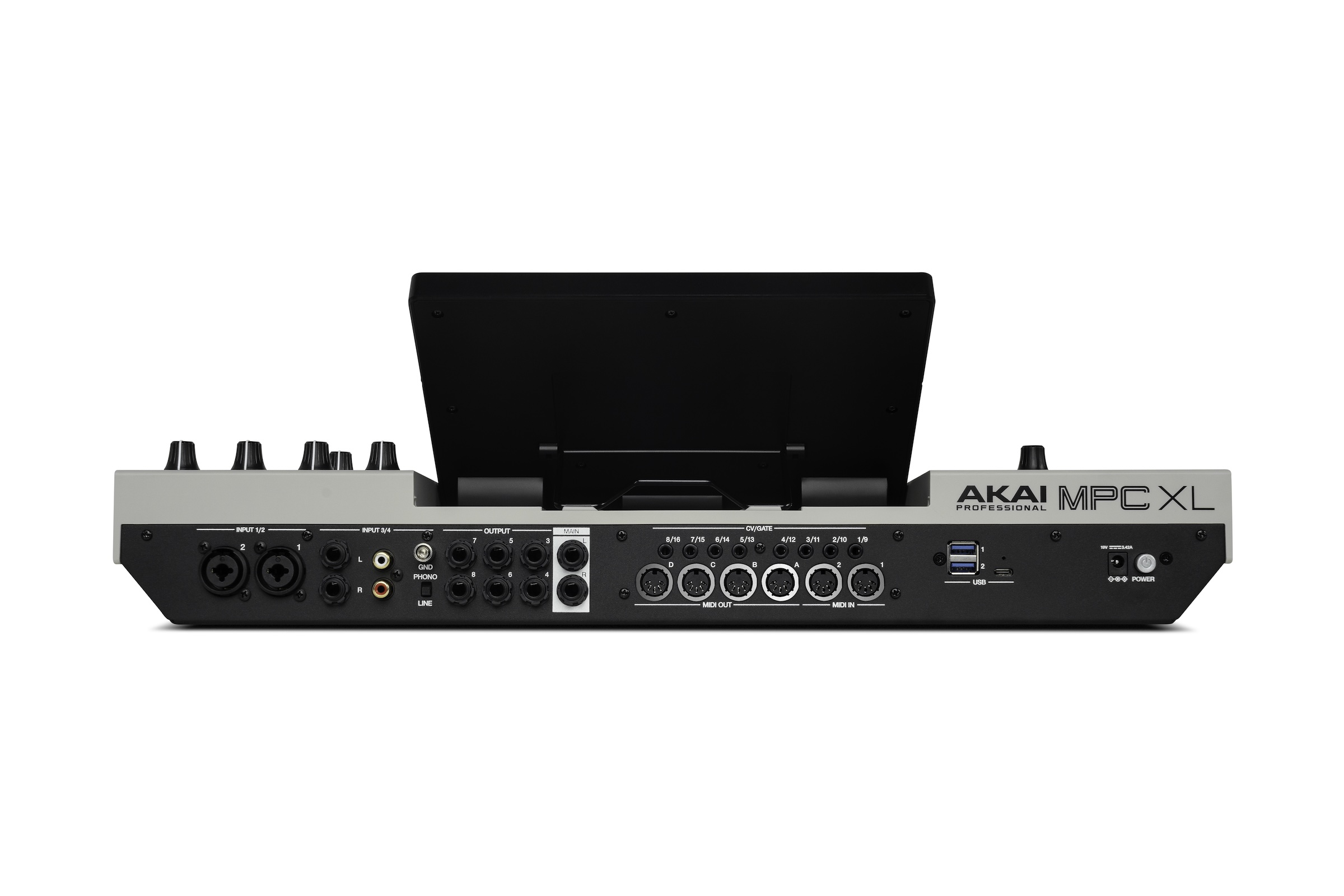
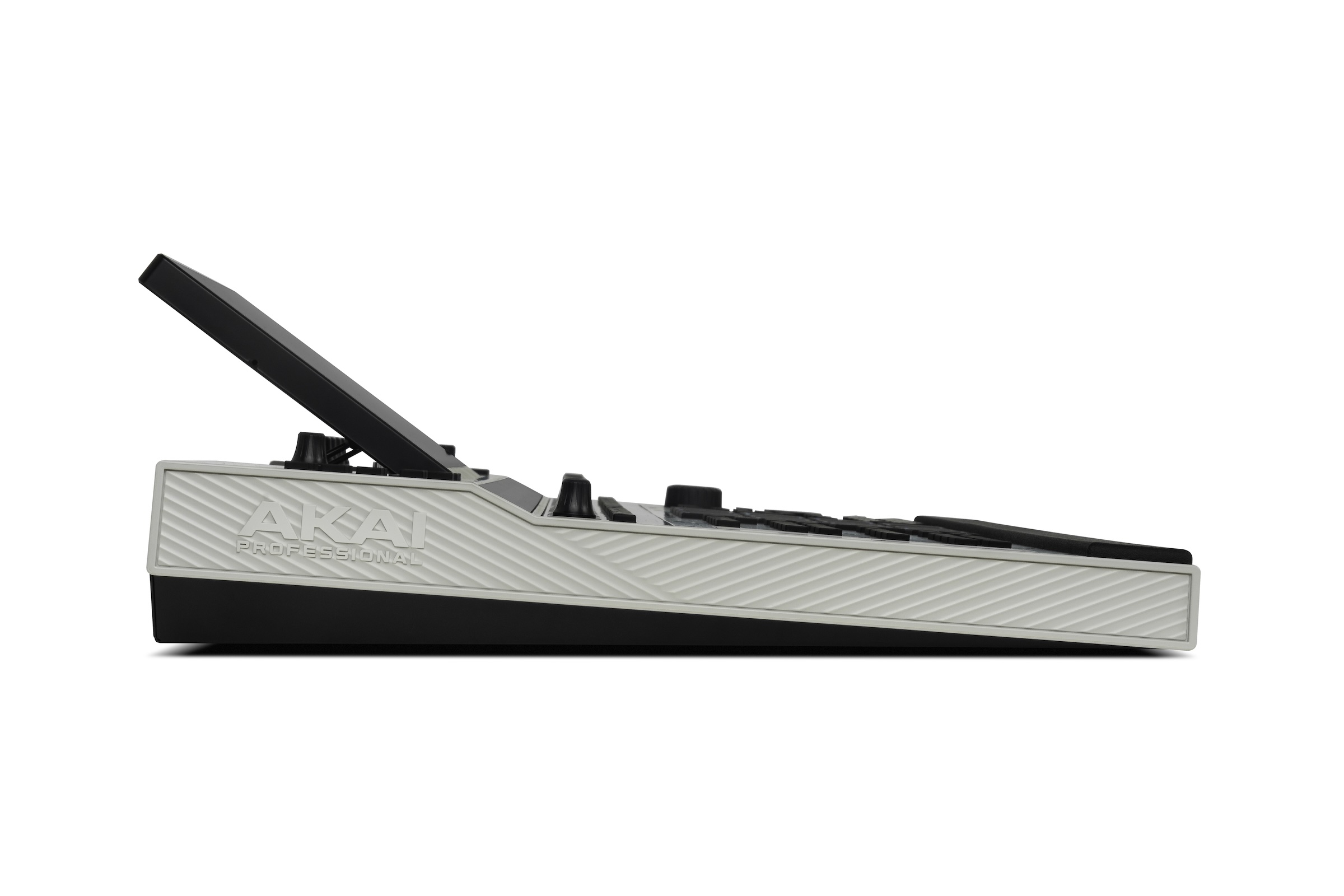
So let’s enjoy the photos.
Full specs from Akai:
Performance & Processing Power
- Gen 2 8-core processor with 4x the processing power of previous MPCs
- 16GB RAM for running multiple plugins simultaneously
- 256GB internal NVMe SSD storage with SATA expansion bay for additional storage
- Support for up to 32 plugin instruments, 16 audio tracks, and 256 simultaneous voices
- Production-ready plugins, samples, and effects included
Expressive Control & Interface
- Ultra-responsive MPCe pads with 3D-sensing technology and four quadrants per pad for advanced expression
- 16 Q-Link knobs with performance-control OLEDs for immediate visual feedback
- Assignable performance touch-strip for tactile control of Performance FX, note repeats, and channel faders
- Step sequencer with 16 RGB function buttons
- XL Channel Command with dedicated OLED display and encoder for quick mixing and recording parameter access
- One-to-one function buttons for immediate access to every feature
- 10.1″ HD multi-gesture touchscreen with tilt
Professional I/O & Connectivity
- 2 XLR/TRS combo inputs with mic preamps and phantom power for crystal-clear recordings
- 2 dedicated instrument inputs for recording guitars and keyboards
- 2 phono inputs for connecting turntables
- 8 separate line outputs for external routing and mixing
- USB-C connectivity for 24 channels of audio I/O and 32 channels of MIDI I/O
- 8 stereo 1/8″ CV/Gate outputs for a total of 16 CV outs, perfect for modular rigs and synth setups
- 4 five-pin MIDI outputs and 2 five-pin MIDI inputs
Standalone Workflow
- No computer required: standalone hardware with MPC3 OS for a streamlined workflow
- Full-featured sampler with time-stretching, slicing, keygroup instruments, resampling, and plugin layering
- DAW-like workflow with multi-track sequencing, clip launching, and full arrangement view
- Pro stem separation and high-quality time-stretching
And here’s the promotional video from AKAI:
Sorry, the hands-on video, here you go:
Sorry, here:
AKAI Professional Groove Boxes at Thomann
Akai Professional MPC at Sweetwater