Dig into humanity’s past, and alongside the earliest tools, you’ll find some of the earliest instruments. Designing objects for expression seems to be an essential part of civilization. Martin Kaltenbrunner, a co-designer of the Reactable tangible music interface, is also a professor in Interface Culture at the Linz University of Arts in Austria. There, in […]
Read more →Search results for ""
New TouchDesigner Goes Gold, with Free Sharing, Ableton Live Sync, More
From top: TouchDesigner powering the Plastikman show, Steve Mason’s Chapichapo. If you’ve been watching big-league visuals lately, things that made your eyeballs roll out into the crowd, odds are TouchDesigner might have been some of the software in use. The tool, established in years of use but perhaps little known outside a few select circles, […]
Read more →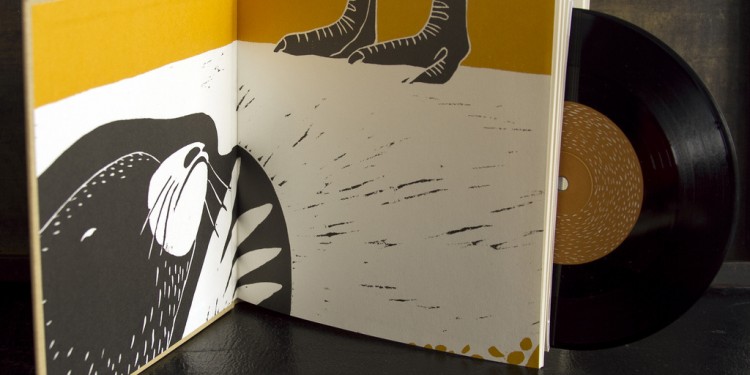
A Handmade Children’s Book, a 7″ Vinyl Record, and Tangible, Handmade Music
In the midst of all this talk of intangible digital intellectual property and arcane licensing and Internet policy, there’s something comforting about thinking of music and art as something you make with your hands and give to someone. It was a discussion of that – even in the context of technology – that first led […]
Read more →
Opinion: US Internet Censorship Could Cripple Online Music Web; Where to Find Out More, Where to Act
If you haven’t been following the (excellent) coverage elsewhere, just how bad is the “Firewall of the United States,” the draconian Internet dystopia misguided legislation in the US proposes to create? That legislation is so vague, so far-reaching, so poorly-designed, that it potentially threatens all kinds of sites musicians regularly use. And little wonder: a […]
Read more →OpenFrameworks Gets Add-On Directory; Future Code Projects Galore
My God, it’s full of code. OpenFrameworks, an artist-friendly creation environment that unlocks the brain-melting power of code in C++, now has a helpful guide to all the additional power you can add. Just as Processing, the code tool that helped inspire OF, benefits from the vast planetary resources in the Java language, so, too, […]
Read more →Remixing the World: A Sampler of Sampling, via Readers
The possibilities of a microphone and the world are limitless, so as this week we looked at a recording of music made with playgrounds, a mic, and Ableton Live, readers responded in kind with a fantastic spectrum of sampling-inspired, real world-produced musical wonder. From comments, a few examples: Diego Stocco, a favorite sound designer on […]
Read more →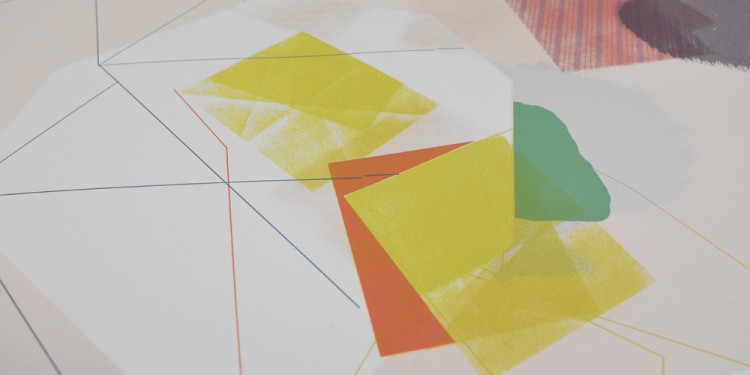
Good Listening, Good Taste: Selection of Ghostly Sonic Output, Inspiration for Getting Things Made
More than just a label, Ghostly is establishing itself as a hub of design, as in the new poster series by Swiss artist Sonnenzimmer, available from their online store. With artists likewise drawing heavily from visual inspiration, the connection between sight, sound, and taste is an evocative one. Photo courtesy Ghostly International. You can expect […]
Read more →"Last Night a Hipster Saved My Life": Mapping in the Dominican Republic + Modul8
We could almost use a feature that tracks projection mapping projects around the globe. We’ve seen Mongolia; this lovely project comes to us from an opposite part of the world, in the Dominican Republic. The smartly-titled “Last Night a Hipster Saved My Life” is a mapped audiovisual performance with Modul8, featured at the twenty-sixth National […]
Read more →“Last Night a Hipster Saved My Life”: Mapping in the Dominican Republic + Modul8
We could almost use a feature that tracks projection mapping projects around the globe. We’ve seen Mongolia; this lovely project comes to us from an opposite part of the world, in the Dominican Republic. The smartly-titled “Last Night a Hipster Saved My Life” is a mapped audiovisual performance with Modul8, featured at the twenty-sixth National […]
Read more →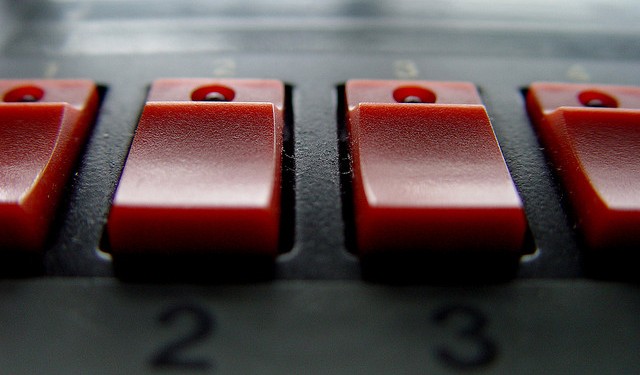
What Really Makes Rhythms Human? New Research Investigates Perception, Preference, Tech
Machine rhythm: the steps on a Roland TR-808. Photo (CC-BY-SA) Brandon Daniel. What makes rhythm human? Music technology has introduced machine rhythms, perfectly-calibrated to electronically-perfected grids, yet we know that natural playing is more organic. Or, that is, we know we have certain intuitive preferences. How do those preferences and rhythms really work? And what […]
Read more →