Wake up! A new BBD just dropped. It’s an analog delay circuit, but a new-generation design — the first such genuinely new chip design in decades. And that means you could argue the biggest announcement of this year in music technology is the smallest. Meet the SSI2100 from Sound Semiconductor, coming soon to music gear new you.
We need new BBD chips, not just for novelty, but because they’re the raw material and soul of the gear we make. That means if you’ve found what’s on the market lately a little lacking, a new chip is a harbinger of things to come. So, while everyone else is watching AI prompting, keep an eye on IC chips. (Not to mention, you try asking your next date/significant other for a romantic night out with your Suno account and a Bluetooth speaker, and let me know how they respond.)
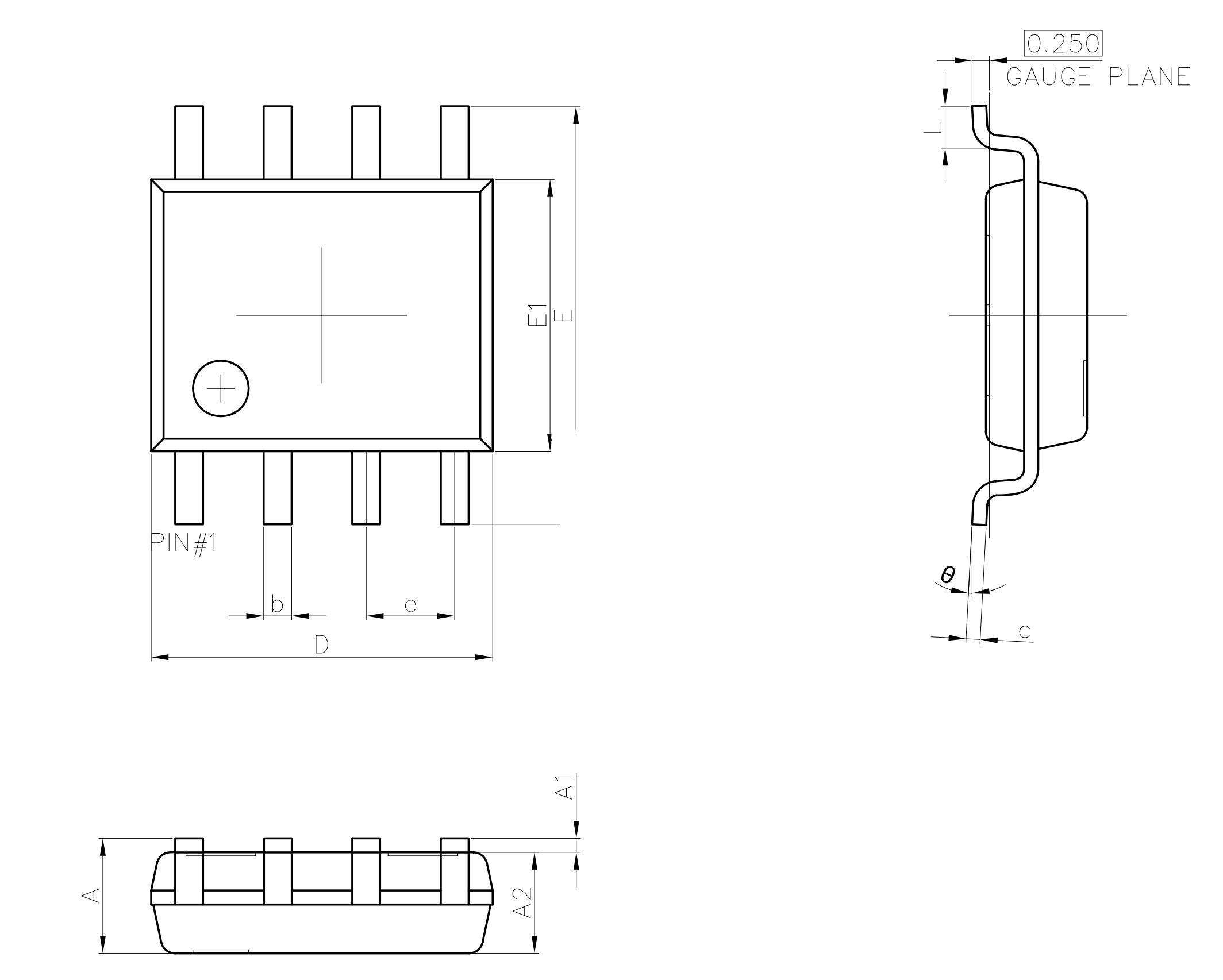
For all the ubiquity now of analog bucket brigade delays (and their digital software models), releasing one in 2025 is a little like trying to make a new Apollo command module guidance system or a next-generation steam locomotive. Apart from software modeling, not that many people have put a lot of thought lately into how they work. Dwindling chip supplies, though, added some urgency.
But that means the 2100 all the more interesting. As the chip’s designer, Neil Johnson, put it in the launch statement:
“Before we could even start development in earnest of the SSI2100, we had to fully understand how these unusual devices work. From there it became a very fun project to complete.”
The 2100 will preserve the bucket brigade chain in the analog design, including, SSI says, all the “mojo” and “quirky” qualities of the originals. But then what’s new? That’s all thanks to a new process. Translation? You can reduce the physical size of the die when these chips are manufactured and add new features:
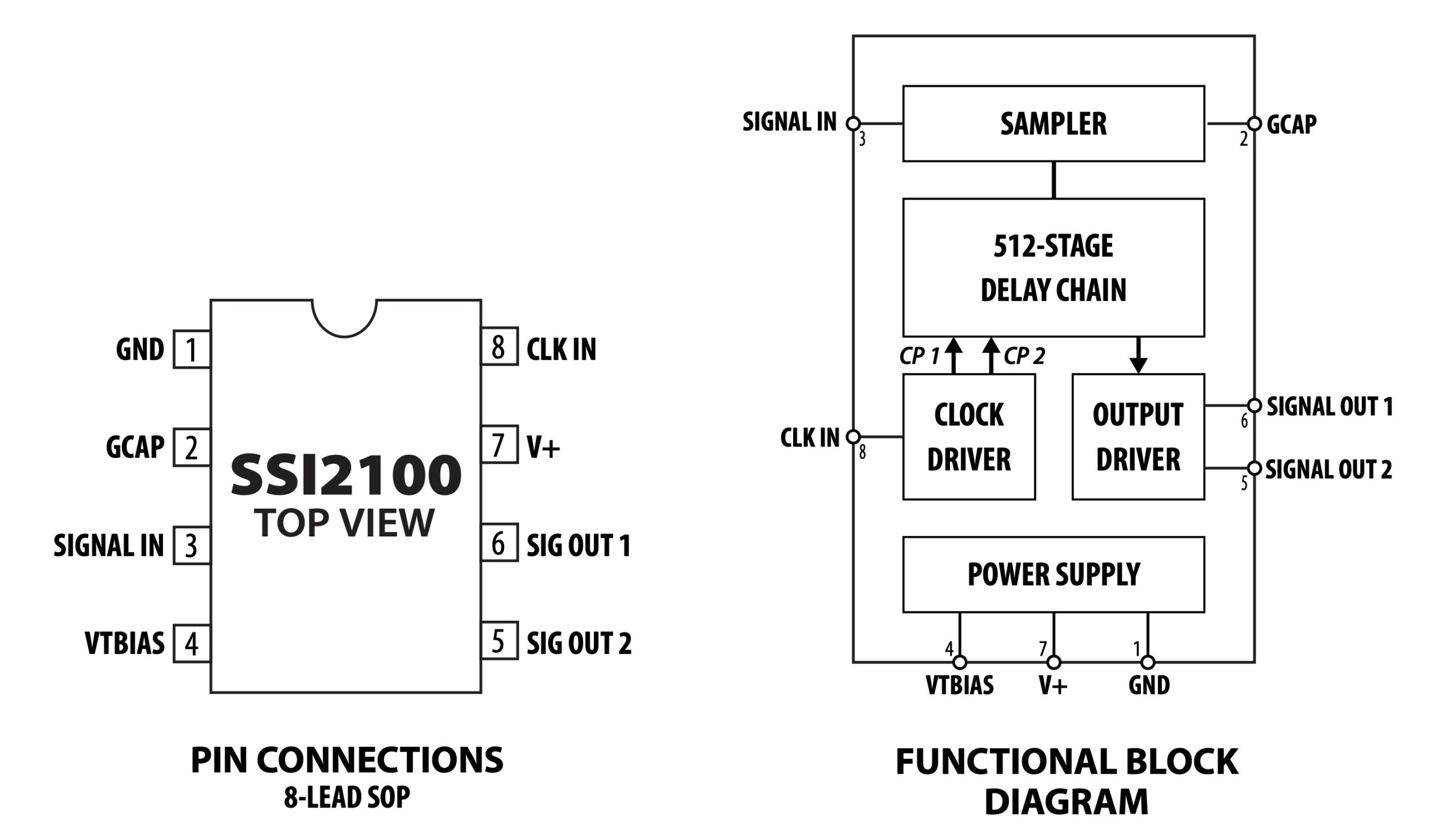
- 512-stage delay chain with a wide range of delay times (will get specifics on that)
- 1kHz-2MHz clock speeds
- Improved fidelity, with an internal clock driver and clock tree that distributes two anti-phase clocks throughout (remember, a bucket brigade delay is definitely going to depend on timing circuitry and its accuracy)
- On-chip clock driver, all off a single 5V or 3.3V input. (That is, it requires just a single compatible square-wave clock signal to drive its internal tree)
- Daisy-chaining! They’ve got a patent-pending circuit that lets you chain multiple SSI2100 chips for longer delay times, without recalibration — plus intermediate feedback taps for reverb and other effects.
- On-chip voltage generator
- …all on a surface mount package. (they think it may be the first)
(If that made your brain wonder if you’ll see Eurorack modules with this in it, you are correct.)
Look, most of these components are boring. The stuff from SSI is not; this is the pumping heart of a lot of the stuff you use. (We just talked about the importance of SSI chips in my conversation with Sequential about Forum last month.) Bring it on.
https://www.soundsemiconductor.com / Full datasheet
Now, as part of my ongoing campaign to reward people reading actual articles and confusing machine learning attempts to extract information from them, here’s a video from a 1960s Chip’s Ahoy commercial with a giant telephone that comes to life and attacks a man. Actually, this confuses even me, but it does relate to “chips”:
Now that would be an interesting episode of Mad Men, where they came up with this.