Bonnier Capital has bought a controlling stake in Elektron from EMM Intressenter AB, as the drum machine maker changes hands.
Bonnier Capital is the investment arm of the Swedish corporate conglomerate Bonnier Group. Just tracking which companies Bonnier AB owns is a challenge, but … basically, imagine Succession if it were Swedish — family-owned, a bunch of “legacy” media properties, and a lot of shuffling of those properties in recent years. A lot of you will know the name Bonnier from that media, though with all that shuffling, they may have already divested in the brands you’re thinking of. According to their own corporate profile, Bonnier has some 175 properties in 15 countries, including the US and Germany, and they’re a dominant force in the Nordic region.
That said, this isn’t really breaking news — Elektron is changing hands from a previous owner EMM Intressenter AB, also based in Sweden. And despite some early impressions, Bonnier Capital is technically a private investment company, not private equity (but that’s another story) — I see some people confusing the two. That’s understandable, since those categories include companies with generic names like “Capital.”
Updated: I should add, there’s some evidence of an even longer road that Elektron has been on. Way back in 2016, they began raising funds from private equity — Arctos Equity, which at the time acquired a 28% stake, with the option to increase ownership to 45% in 2017. See the 2016 news statement. And that raises an important point, one I don’t want to gloss over: customers and even some of the wider industry are tending to find out about this stuff after things have happened. 2023 (or so) saw some big adjustments, globally.
From the press release:
“For customers, partners, and the wider Elektron community, day-to-day operations, product development, and existing commitments remain unchanged.”
This sort of line always strikes me as odd. You can’t, on one hand, say that investment is enabling new strategic directions, but then, on the other hand, say that nothing will change. Even if you assume the best, those are diametrically opposed.
We’ve heard this, too: Bonnier Capital describes itself as “an investment partner for long-term growth.”
I don’t want to be too negative here, but any growth in the electronic musical instruments space in 2026, short-term or long-term, sounds like a tall order. Unpredictable wars and chip and memory shortages seriously threaten the supply chain and global economics and demand. And the market trend is not looking positive. At the moment, Elektron lacks major new product innovation. That’s nothing against their product range, but it’s built largely on product legacy. If I could think of an example of this kind of acquisition that led to a bunch of new product development, I’d give one. I can’t. I think we’re all thinking of Native Instruments’, uh, trajectory, and with good reason.
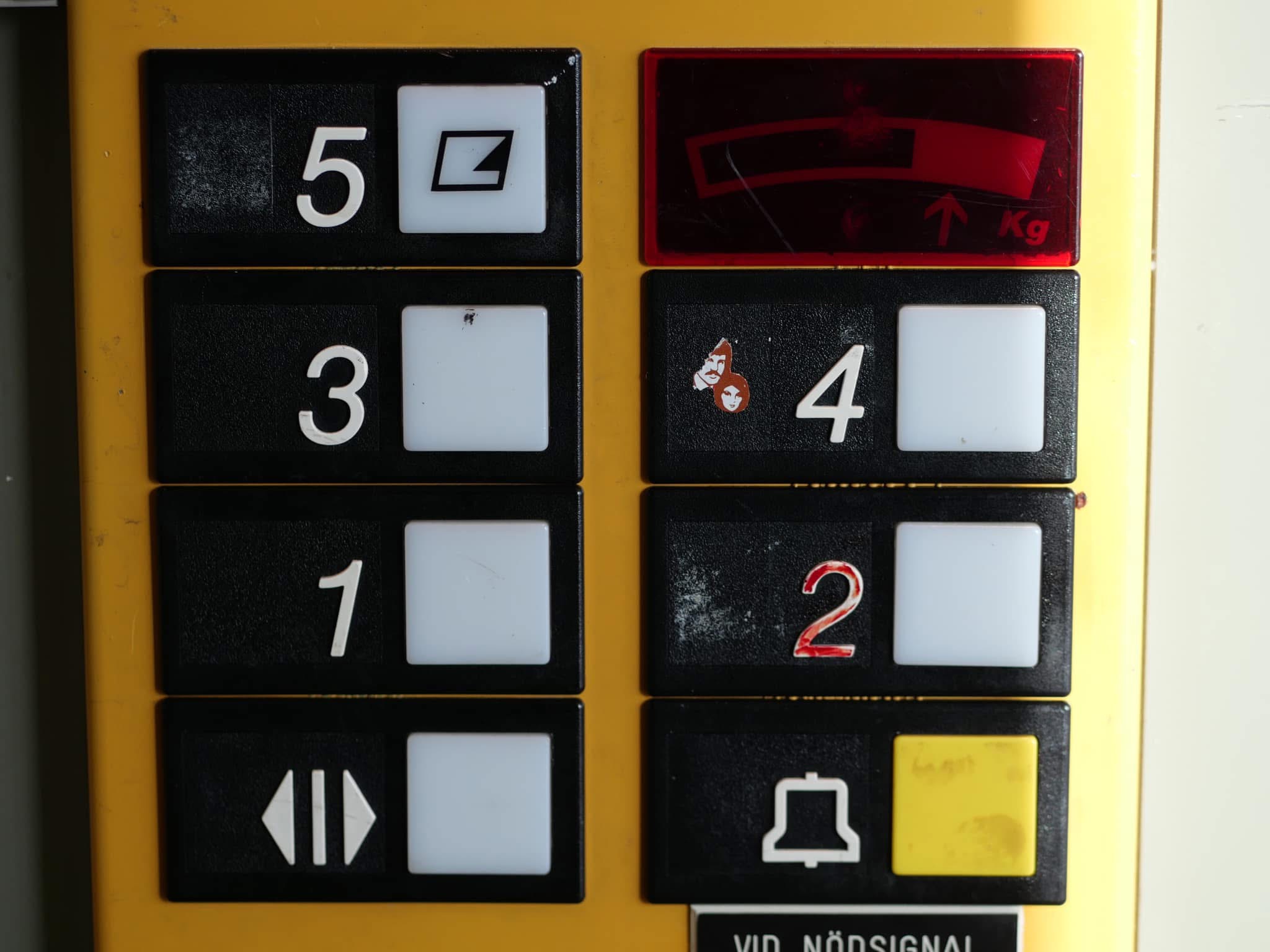
Now, does that mean I’m down on musical instrument tech? Well, no — I’m still here.
Bonnier Capital’s portfolio is a grab bag of unrelated companies. They do have a number of successful exits — but that’s exactly what the music tech industry has failed to deliver for this kind of investor. The danger, as we’ve seen across the industry, is that investment may lack an understanding of the industry or be overly optimistic about growth and push for decisions that are counterproductive for the company and consumers. We’ll see.
For reference, here’s the investment just before Elektron:
AAC Clyde Space provides small satellite technologies and services that help governments, businesses and institutions access high-quality data from space. Covering satellite components, mission services and space-based data delivery, the company offers end-to-end solutions that turn space-based intelligence into real-world impact. Applications include weather monitoring, maritime safety, security and defence, agriculture and forestry.
You know, space satellites to drum machines is at least novel.
What you would actually hope is that the Bonnier acquisition gives Elektron some much-needed stability and longevity at a time when manufacturing faces serious headwinds. And you likewise hope that investors leave the current management team to make decisions based on market experience.
Bonnier Capital acquires a majority stake in Elektron
Me? Honestly, I’d bet on small, independent companies delivering better value. I don’t think that’s unreasonable: I think the track record on outside investment from people without experience in music is clear. And I can counter with a long list of independent companies that did it better.
Ironically, one example on that list would have been the original Elektron.
Correction: An earlier version of this story implied that Elektron was previously independent, but left out that this was true only before the previous acquisition by EMM Intressenter AB.
Photos: Gösta Wellmer.