Move over, Brian Eno. “Velkommen” by Stan LePard is 90s Microsoft chillwave at its best. But like catching a fleeting glimpse of Brigadoon, for many years this song was heard over Microsoft installations and then lost to time–until passionate fans archived it for the ages. Even if that happened before you were born, you owe it to yourself to experience the supreme calm that only this track can bring.
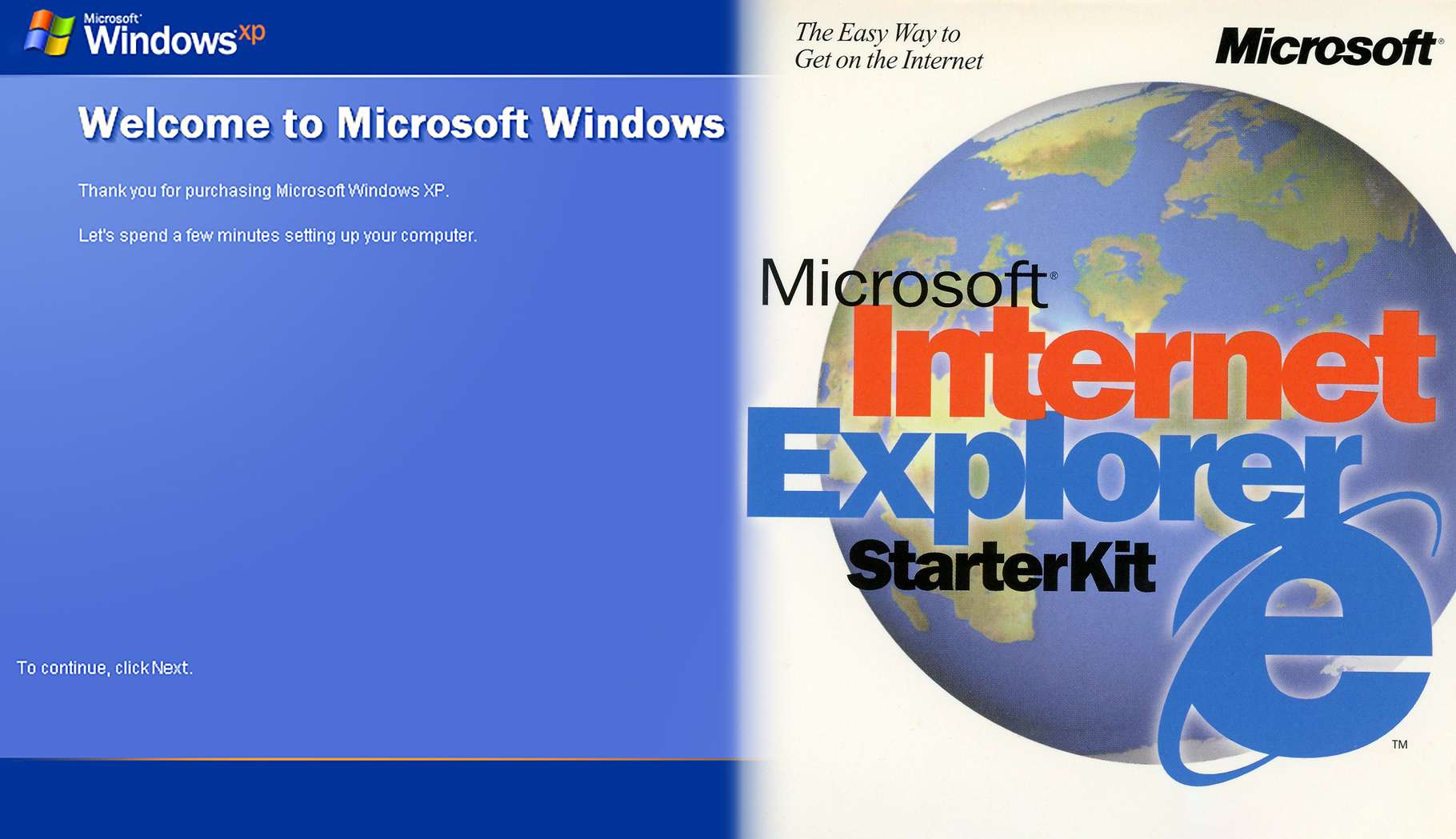
For a long time, no one really heard “Velkommen” properly. The track originated on 1996’s Microsoft Internet Starter Kit 3, back in the days when Netscape ruled the browser roost and most people had no idea how to even connect to the Internet. But various Microsoft iterations massively overcompressed the audio–it was acceptable for the 90s–via their in-house WMA format. And that’s if you heard it at all; if your sound card drivers weren’t installed at the right point in Windows 98 or Windows XP, the installation routine would run silently.
It’s the work of composer Stan LePard, known for his work on various Microsoft titles, orchestrations for Halo, and Guild Wars 2 score, among others. Fortunately for us, fans have uploaded a high-quality version for posterity. (It’s even downloadable from Internet Archive.)
To many, the track will simply be known as “title.wma”/”title.wav.”
And it’s breathtaking.
People have fallen in love with this tune as there’s some serious media archival work done on it. It has even caught the attention of New York Magazine critic Brian Feldman (archived).
On the awesome rabbit hole HSMusic Wiki, you can read up on the process of producing it as best as LePard could recall. Like a lot of Microsoft music, it was produced on a Mac. LePard’s rig (probably):
- Opcode Studio Vision Pro on Mac OS 9
- Roland Sound Canvas SC-55 (my first synth!)
- Roland Super Jupiter [MKS-80]
- Kurzweil K2000
- Gregorian chant snippet–Toru the Red Fox thinks it’s “Sounds Good New World Order #2, CD 2, track 59”
- (maybe a Yamaha DX7 according to one LePard SoundCloud comment, though I don’t hear that)
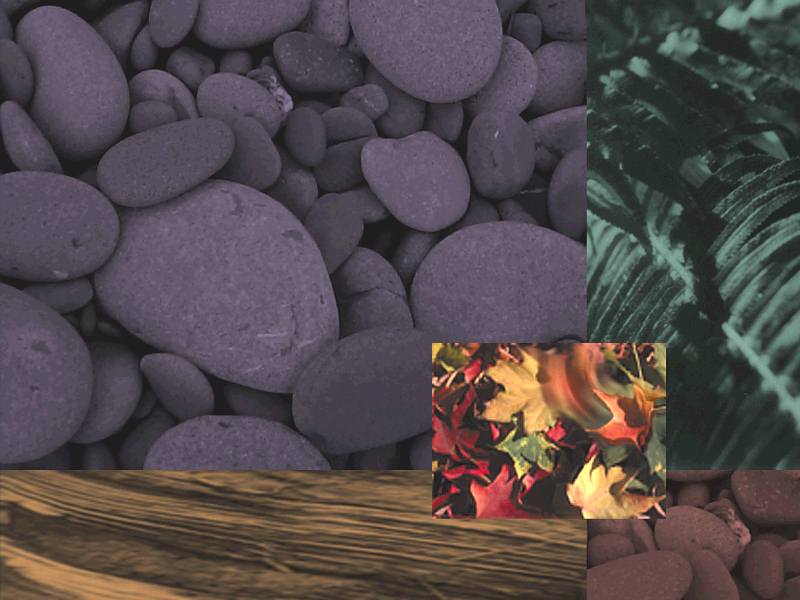
Pictured: Above, “Nature” wallpaper; at top, “The Golden Era” which has an oddly socialist realist quality, Microsoft, but hey. Both from Windows98.
He even explains the “poh” sound to one commenter: “If the poh is the backbeat, I think it was a synthetic snare drum with a lot of reverb. If the woash is at 3:57, it’s cymbal roll with padded mallets.”
In 2024, following LePard’s death in 2021, GodzFire made a collection of all the various versions along with a history.
If you want more of LePard’s music, there’s plenty to find; he was a defining part of the sound of Microsoft’s software experience in the 90s and early 2000s, and has a huge roster of game credits to his name.
Peggle Nights is also mega, mega chill. LePard had a special talent for taking something that could have been annoying corporate background music, and adding quirks and angles that turned it into something ingenious.
Once you hear it, you’ll realize how much of his sound you’ve encountered. Why is this Microsoft installation music so oddly enchanting? (I mean, as a theorist, I can tell you: it’s pleasing modal harmonies and an unobtrusive orchestration, but with unexpected, wrong-note melodic angles. It’s like if Stravinsky wrote 2000s support line hold music after spending a weekend at a Ren Fair.)
All Encarta openings are a weird window into a naively optimistic time, but behold his Encarta 96 intro.
Or go full New Age with Microsoft Golf; this is sort of channeling Paul Winter Ensemble or something:
If you need more “Dad PC” energy, he did ’98, too:
You could probably write a dissertation on how fantasy game music of the 90s was scored; to get you started, load up King of Dragon Pass! (Explain to your dissertation committee that this is research. Just disappear into a room with Parallels and come back with the paper. Here, use my Parallels affiliate link and invite me to your defense; I’ve got your back.)
Someone could probably also buck the GenAI trend by getting a copy of Microsoft 3D MovieMaker running instead, appreciating the “mystery evil” in the soundtrack.
And then there was Guild Wars 2:
Guild Wars 2: Stan LePard – A Guiding Hand And A Musical Legacy
I think even all this retro nostalgia can’t make me listen to another Sound Canvas track in a row, so let’s listen to an actual orchestra. This is lush and gorgeous. The funny thing about the “background” quality of LePard’s music is it becomes wonderfully economical. In a project like this, it’s about the glue, and as the article details, Stan contributed orchestrations and some set pieces, but beyond that, effectively coached the rest of the music team.
So I don’t want to confine LePard to the limitations of the SC-55. (Lordy!) Let’s go out with his orchestrations:
It’s utterly serene, channeling gaslit orchestral scores, really at a level you rarely get from game soundtracks, much as I love them. No Spotify playlist can match this.
Here’s his clever composition “Court of Mad King Thorn”: