It might trigger a flood of grade school memories or open a world of computing you never got to experience. But either way, “Jed’s Other Poem (Beautiful Ground),” a music video coded in Applesoft BASIC, is itself “vintage” now. At 20 years old, it’s a window into a time when open-sourcing a music video was the thing to do.
The video
Stewart Smith was the coder and director for this ultra-twee, Apple ][+ text animation for the band Grandaddy. (A marketer once called an event I ran in Brooklyn at Etsy’s then-new headquarters “nerdster.” Yeah, that.) And it’s a pretty song.
Maybe BASIC will be an antidote to vibe coding. It’s crude, direct, especially animating text — the one thing I kind of worked out how to do as a kid. It has the feeling of taping together cardboard, simple stuff.
Stewart’s recap of how this came about has a number of gem of knowledge embedded in it.
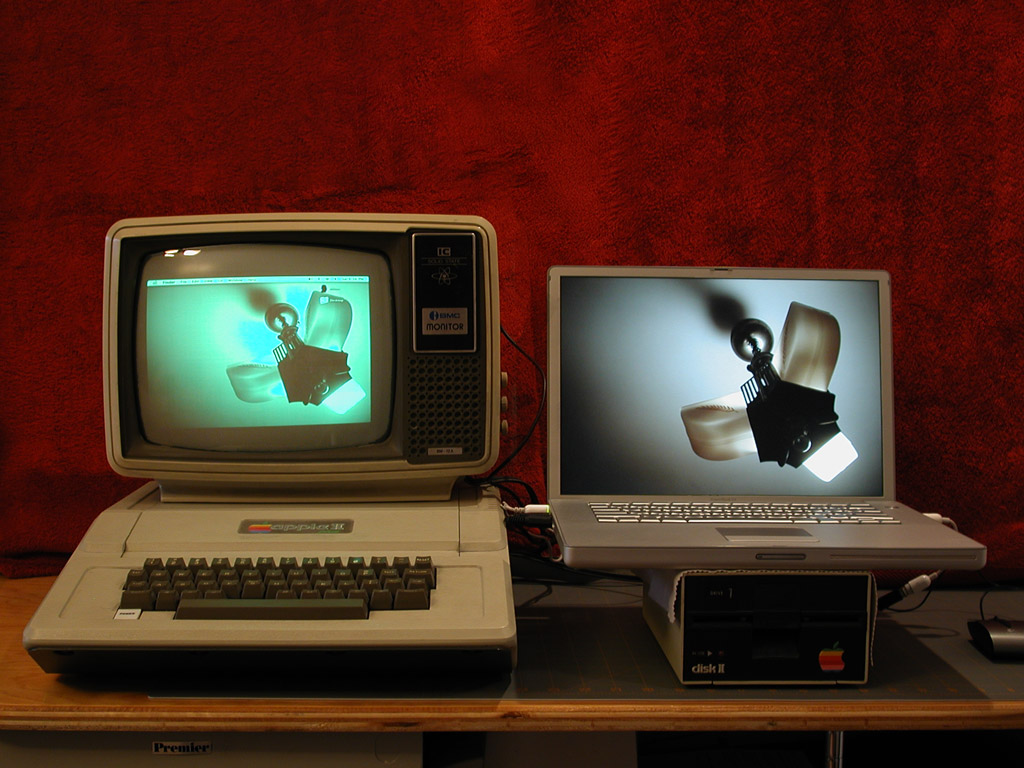
That’s an original 1979 Apple ][+, the model that predated the //e that many youngsters in the USA encountered. This machine was so simple, it typed entirely in caps without an expansion card. (The //e had more of that standard.)
Hilariously, Simon found the band because a track was mislabeled as a Radiohead rarity on Napster.
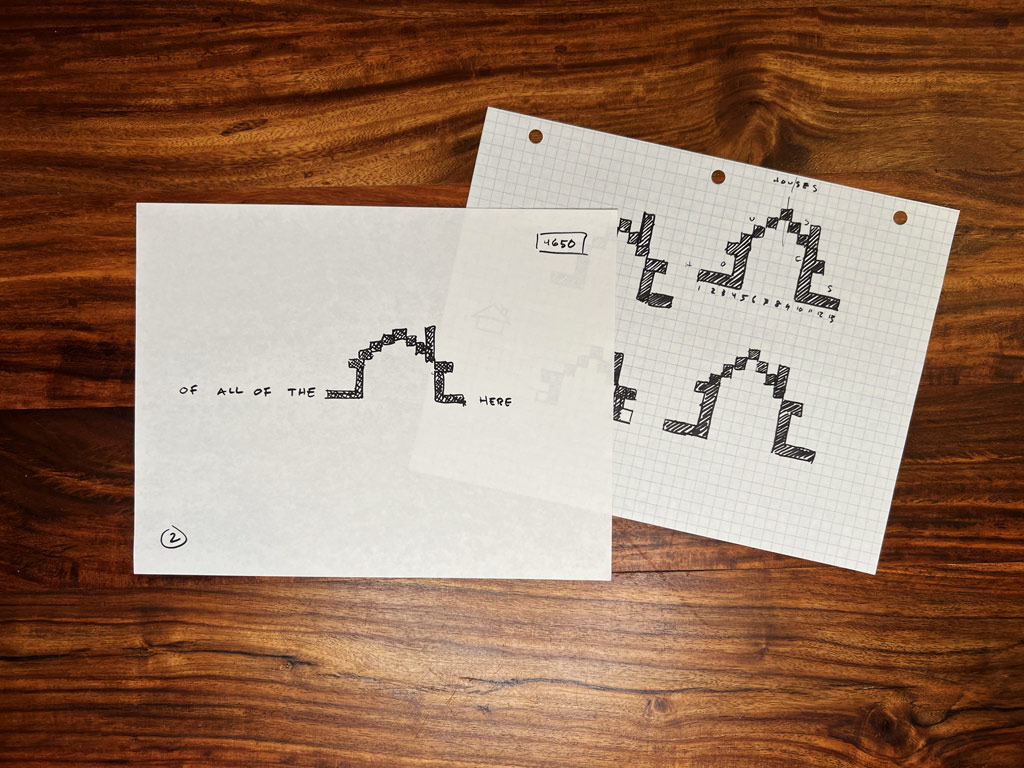
The history
I’m trying to remember when I ran across Simon myself. Probably he came to one of those aforementioned events, just because that’s the sort of thing that we did at the time. I expect it was while he was teaching at ITP. But since my memory is unimpressive, check out his full site and portfolio:
— and his secretive Advanced Projects Group (dubbed “apogee”), which seems like something out of William Gibson’s Pattern Recognition.
The other music video you might recall is his clever, gorgeously designed “Dance Tonight” video for LCD Soundsystem, which ran in-browser but can be seen here. This is in the era of the Google Data Arts Team, which originally was led by artist Aaron Koblin, which in turn was the successor to a Yahoo! data visualization team led by S. Joy Mountford, who is a name not enough people know even though she was instrumental in Apple’s Human Interface Group and the creation of QuickTime and related tech. Bonus for Apple history nerds who remember the Advanted Technology Group at Apple — Joy talked to MacUser about that in 1991.
Run the code yourself
Simon has posted a full making-of on the video and its life. It’s a beautiful example of a post written in 2005 rendering perfectly 20 years later cough ahem dsfjlfdsjl phhhftt hey, sorry, I’ll go back through CDM’s archives and fix them one of these days. (Maybe we can start a GoFundMe? Pay Peter so he can buy food so he can fix the database?)
Jed’s Other Poem (Beautiful Ground) music video
But you can also skip ahead to running it yourself. The BASIC code is on GitHub, with instructions:
https://github.com/stewdio/jed?tab=readme-ov-file
(I’m curious about the “first open source music video” claim. That may be literally true in the absence of a license, but certainly the notion of sharing code for a video came first in the demoscene and in animations for platforms like Apple II.)
I recommend running the excellent OpenEmulator, because it’s easy to set up and runs well on macOS (Intel and Apple Silicon). Virtual ][ is what Simon recommends, but it’s shareware and there are a couple of additional steps to get it working, and I’m happy with OpenEmulator’s performance. Windows and Linux, there are other options if you go digging. (OpenEmulator is not OpenEmu — the latter is great as a game emulator but lacks an Apple II platform.)
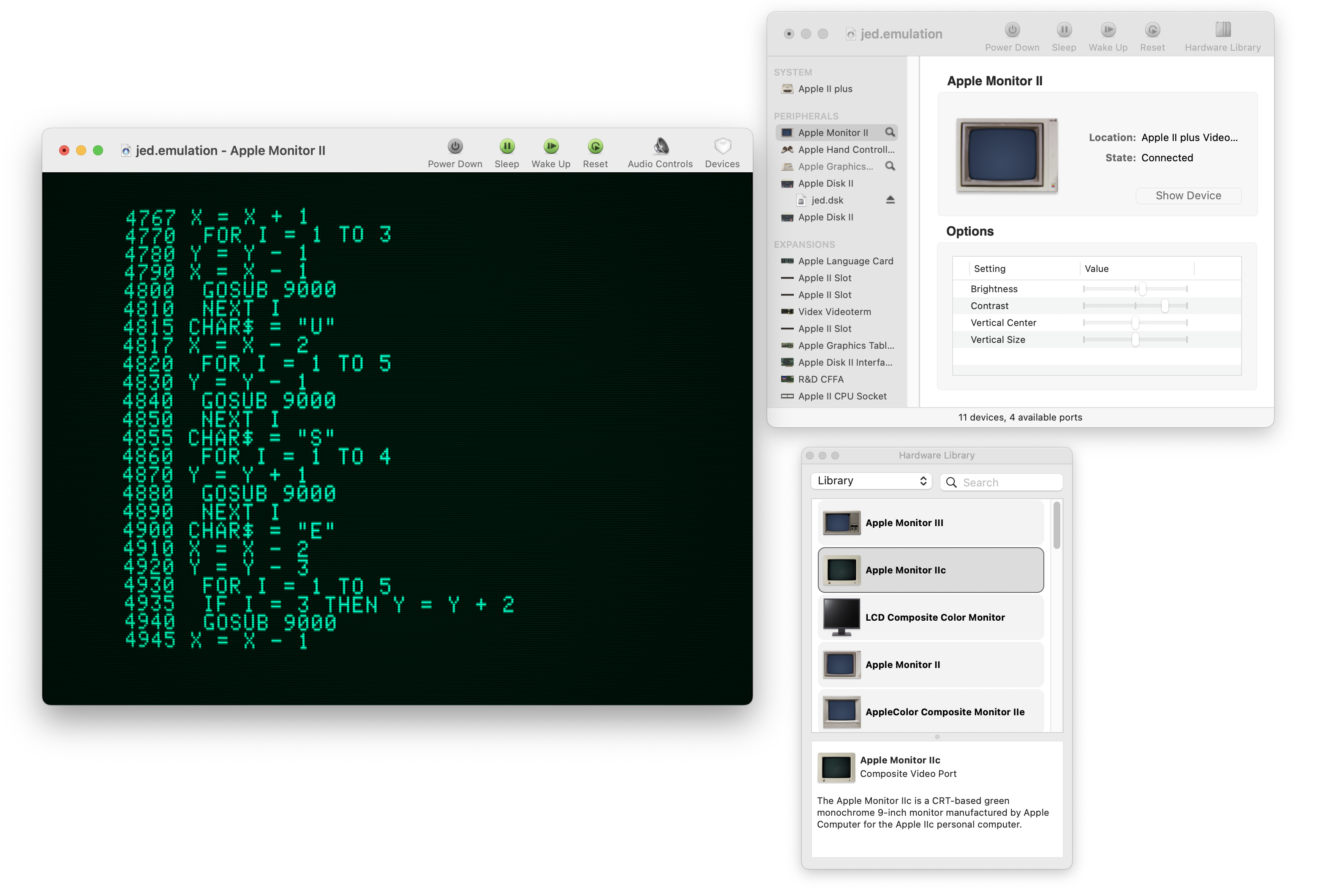
Here’s how it looks in action. This was plug-and-play for me. Just open the Devices window, select the drive, and load the disk just like you’re working with the physical hardware:
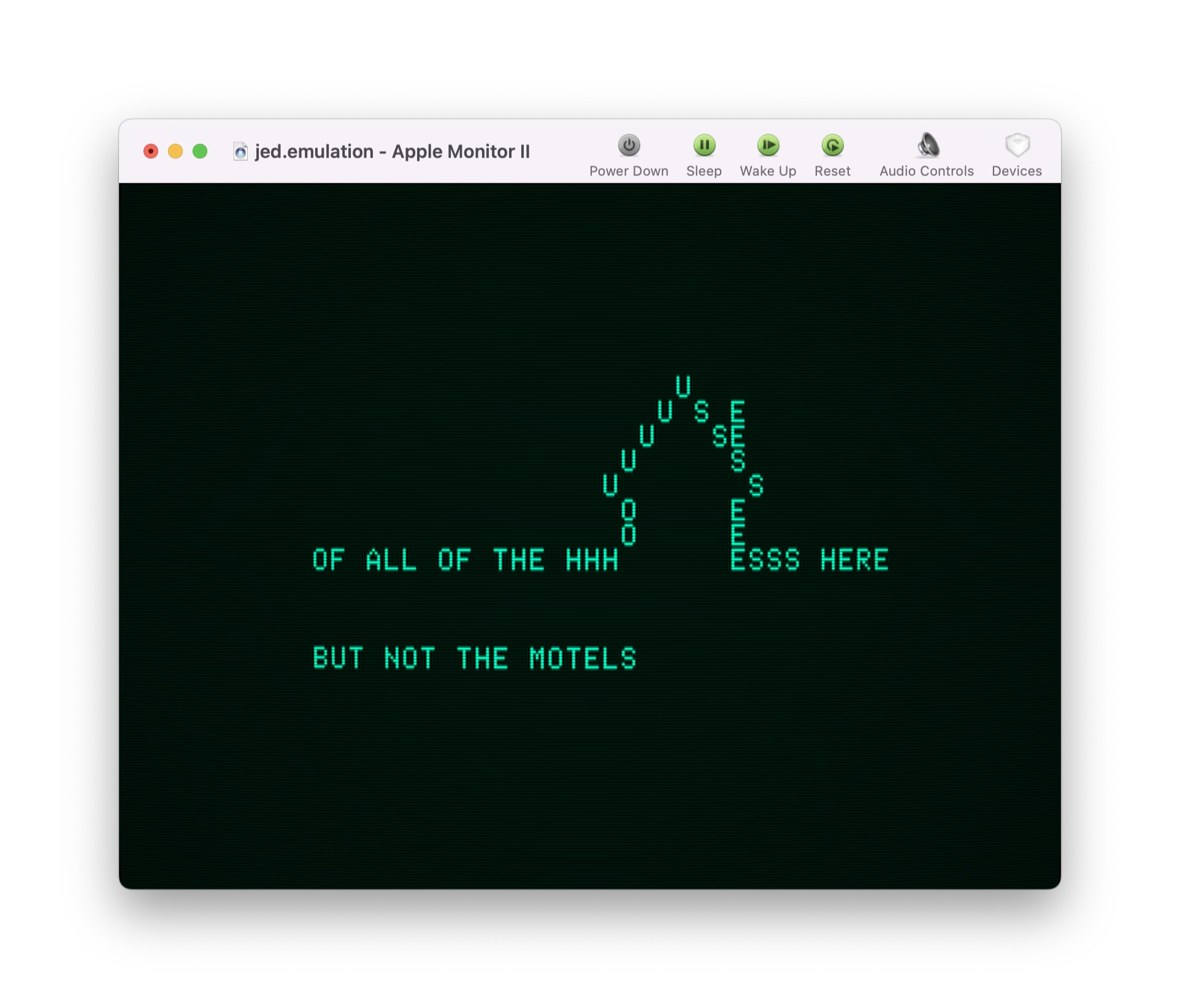
It might well be a gateway into vintage coding or running software.
Thanks to David Lublin for the tip.
Back to BASIC
Okay, I couldn’t resist adding a little more:
Awesome Basic: A curated list of awesome BASIC dialects, IDEs, and tutorials
Celebrating 60 years of BASIC and why it’s still relevant for new programmers
What Happened To The BASIC Programming Language?
Seriously — go back and try some Applesoft BASIC tutorials, even for a kid
And the language lives on with PureBasic (paid; even runs on RasPi) and QB64, among others. Or for a more British experience than the USA-centric one I present here, look to BBC BASIC, which is also free and also runs across OSes, including RasPi. Or Chipmunk BASIC, which at one point had DSP code (though the links is broken at the moment). I think I’m linking here just to bait obsolete software lovers into a long hunt.