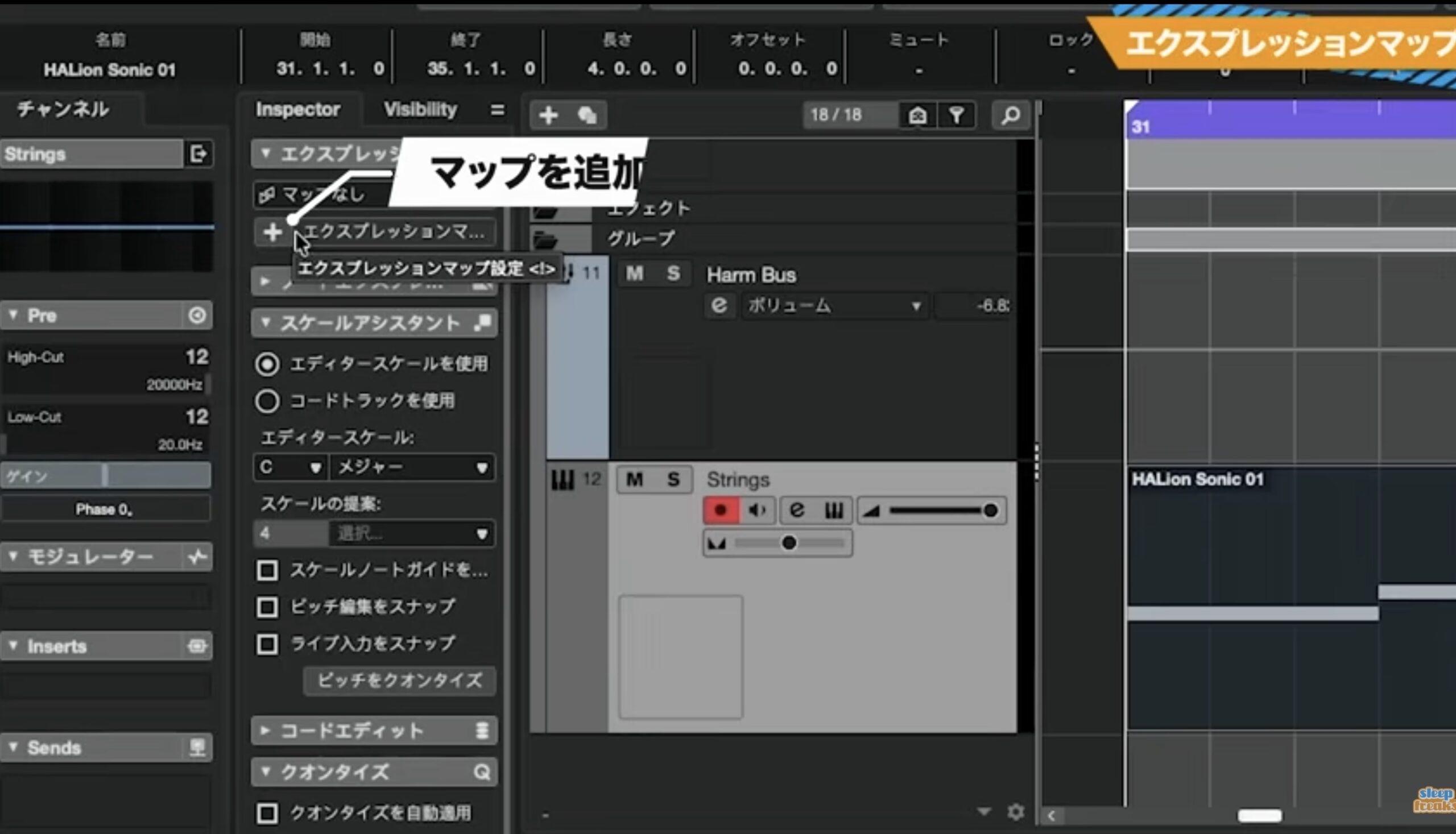
Yamaha Vocaloid-based voices in Cubase? It better be able to sing in Japanese, right? Well, I’ve got some more on the engine, and the folks at SLEEP FREAKS have your Japanese-language review. Surprise: that is trippy as hell to watch with the machine learning English-language track. Jump into a must-watch set of tips and tricks for Cubase fans.
Regardless of how you set the language track, I love this review — I learned more tricks for using the upgrade from this video than I did from either the official Steinberg videos or the Western YouTubers. That’s apart from the completely different pacing and music bed; they get straight into how you’d use this in day-to-day usage, how to get more out of the Expression Map features and virtual instruments, and of course, take a look at the new vocal synth from the perspective of people with some experience with Vocaloid. That synth has evolved into practically its own popular instrument in Japan, as producers have pushed the software to the limit of what Yamaha had engineered.
I was momentarily very confused, though, as the video image was in Japanese but the voiceover was in a jarring, fragmented English as slightly mistranslated by machine learning. (Japanese speakers, which unfortunately is not me, you can swap over to the original Japanese audio voiceover recording.)
The machine translation will help you keep up! And it’s kind of hilariously wrong in some translations. I think there’s something to be said for that; our languages aren’t constructed the same way.
But I couldn’t stop listening, because the machine, being a little too literal, is occasionally hilarious. (Look, do we really deserve magically being able to understand another language like we have a Babel Fish? I think not! You can actually follow this video easily with the Japanese track on, anyway.)
Speaking of Vocaloid tech…
Their demo is perfect in showing you how this works in practice, and you get to hear the Japanese language vocal synthesis which wasn’t in the other official or western vids.
I learned a little more from Steinberg and Yamaha about the vocal instrument. It’s based on the technology used in VOCALOID, but this is a new synth engine, obviously pared down to make this friendlier to people outside the VOCALOID culture.
Yamaha tuned the engine to sing both Japanese and English lyrics, targeting users in a “non-VOCALOID culture.”
And yes, you can set the language to Japanese, though other details are coming on localization, and I expect may evolve through the beta.
This is similar to what you can get from Dreamtonics’ products, although those go much deeper — a kind of hybrid AI approach that you can tweak like a synth. (They also have Chinese, Japanese, and Korean language support.) I’ll talk more about that later, but the simplicity of this instrument in Cubase will appeal to a lot of folks — as will the ability to just get it “for free” in your existing DAW.
Given the expanding powers of vocal synths, we may soon be collecting them like other virtual instruments. I still love and use Plogue’s unique (legacy) Alter/Ego, which is built on some really oldschool vocal synthesis.
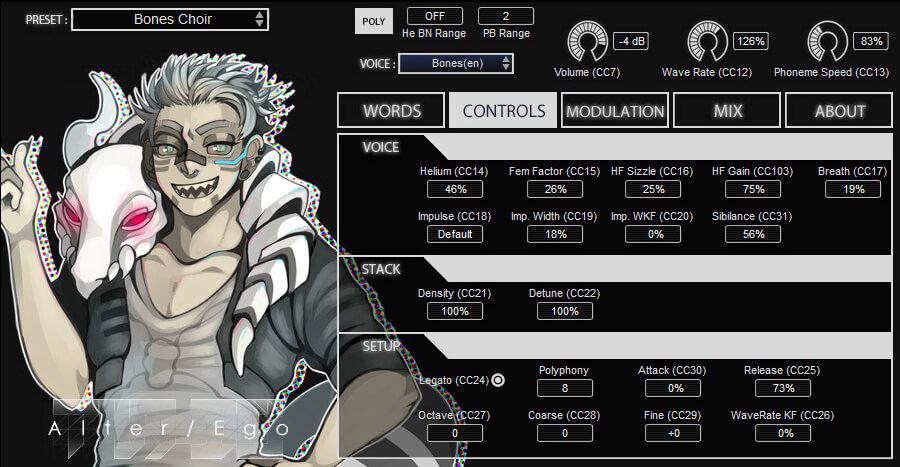
https://plogue.com/products/alter-ego.html
I’ve subscribed to SLEEP FREAKS, though, for sure.
Find more:
https://www.steinberg.net/cubase/new-features
If you buy something from a CDM link, we may earn a commission.
Steinberg Cubase 15 – Plugin Boutique
Bonus video from SLEEP FREAKS – vintage Mac!
I remember!