It started with Kastle 2, Bastl Instruments’ cute and clever handheld. It could be a multi-effect, a sample player, a synth. Then Citadel modules came along and did those things in Eurorack. Now, Bastl’s got a surprise: you can buy these as DIY kits, and a big chunk of the Raspberry Pi-powered platforms are being released as open source. Here are all the details.
So a quick rundown — Bastl has three firmwares going for their stuff. That is:
- FX Wizard: a multi-effect
- Wave Bard: a sample player (and what a sample player!)
- Alchemist: a synth
There’s one new hardware debut today, which is that the Citadel Eurorack format now has a ready-to-go Alchemist edition on sale. Alchemist is a really cool synth in Kastl 2 format — but it’s especially nice in Eurorack, too!
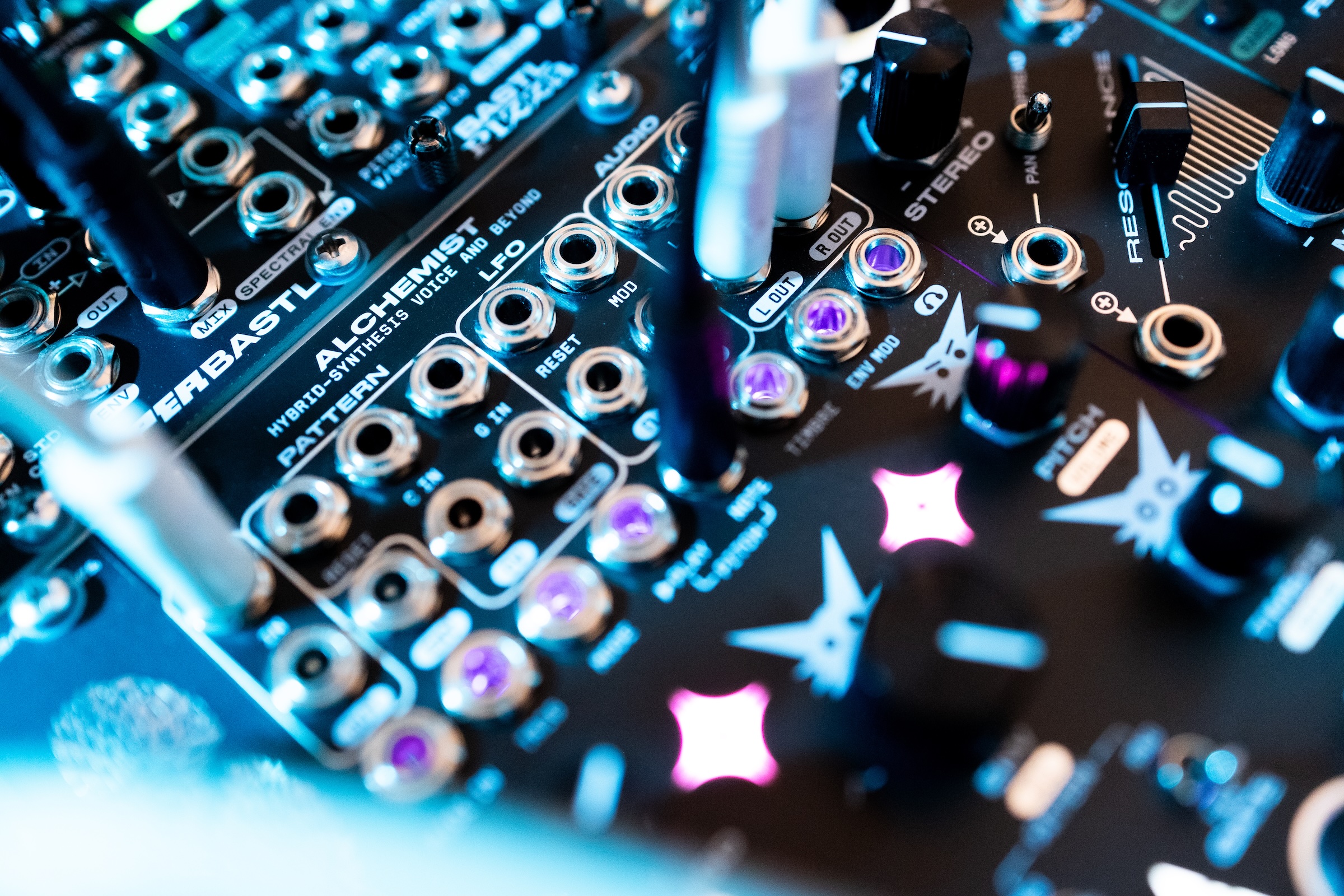
There’s so much in there — 5 synthesis modes (FILTER, FM, SUPERSAW, HYPERSINE and GLITCHNOISE) via the TIMBRE control, refined with the RATIO control. Stereo processing, tons of control (of the knobby and jack-y variety):
Hybrid synthesis
4 oscillators
FM with feedback
Raw Waveform mixing
Ring mod
Track and Hold
Stereo noise with Track and Hold
Stereo Filter
Transient Shaper
Dual FX section
Delay to the left
Chorus/Flanger/Distortion to the right
That said, part of the point of these modules — much like the re-programmable modules from Noise Engineering or the Computer in the Music Thing Workshop System — is that you can make the same hardware do different things. So, if you’ve changed your mind, you can swap firmwares to transform one device into another. It’s the hands-on quality of hardware and the flexibility of software, because these really are purpose-built computers.
DIY and/or swap faceplates
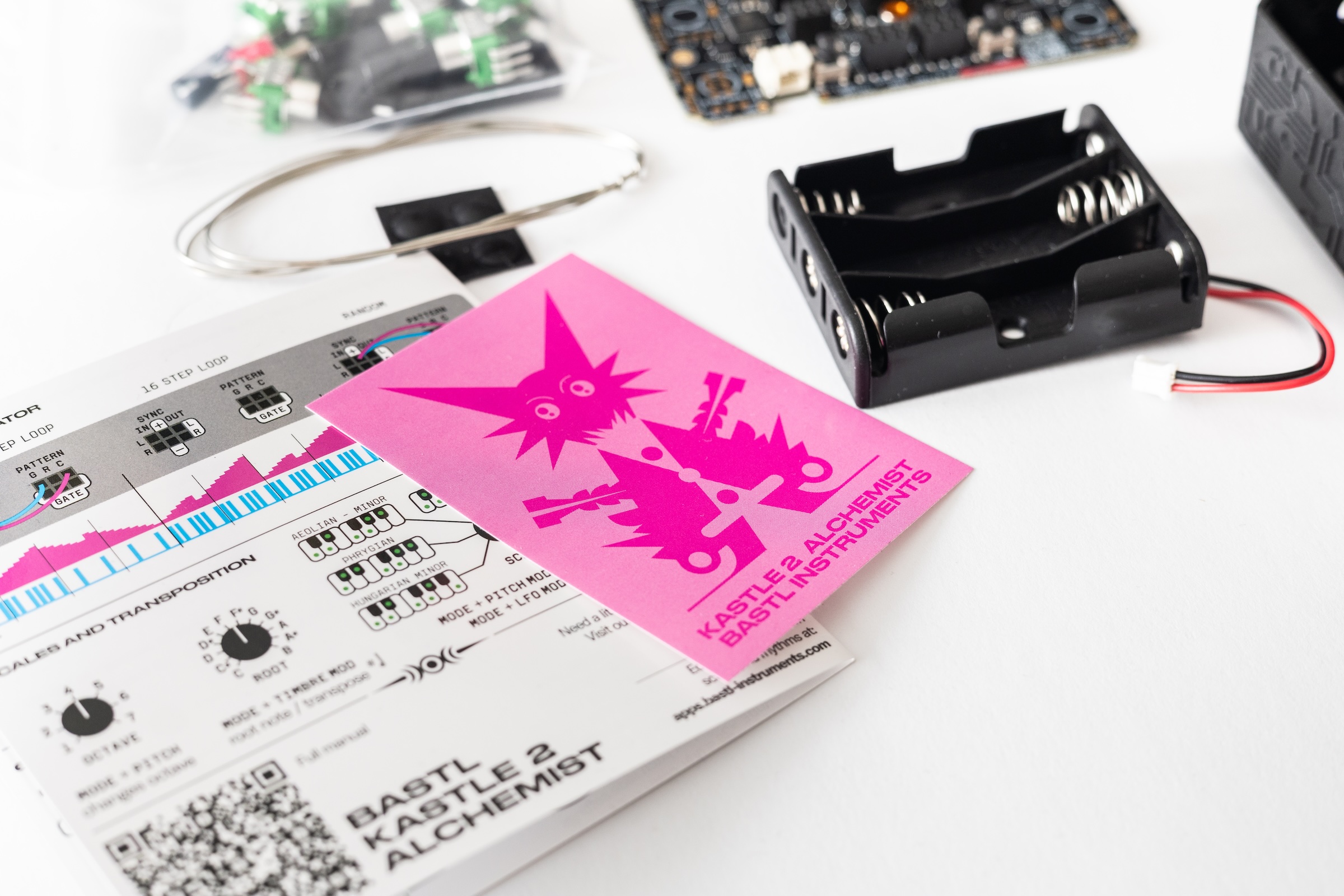
So the bigger news is that you can now build these devices as DIY kits. There are also new dedicated faceplates, so you can match your faceplate to the firmware the device is running at a cost of just a few Euros (without having to work out how to do faceplate fab yourself).
And best of all, we get the whole platform as an open-source project (across both Citadel and Kastle 2, since the same innards run both). Not everything is under the same license, and some stuff remains proprietary — see below — but it’s all permissive enough to provide some serious power to tinkerers or anyone who wants some future-proofed goodness.
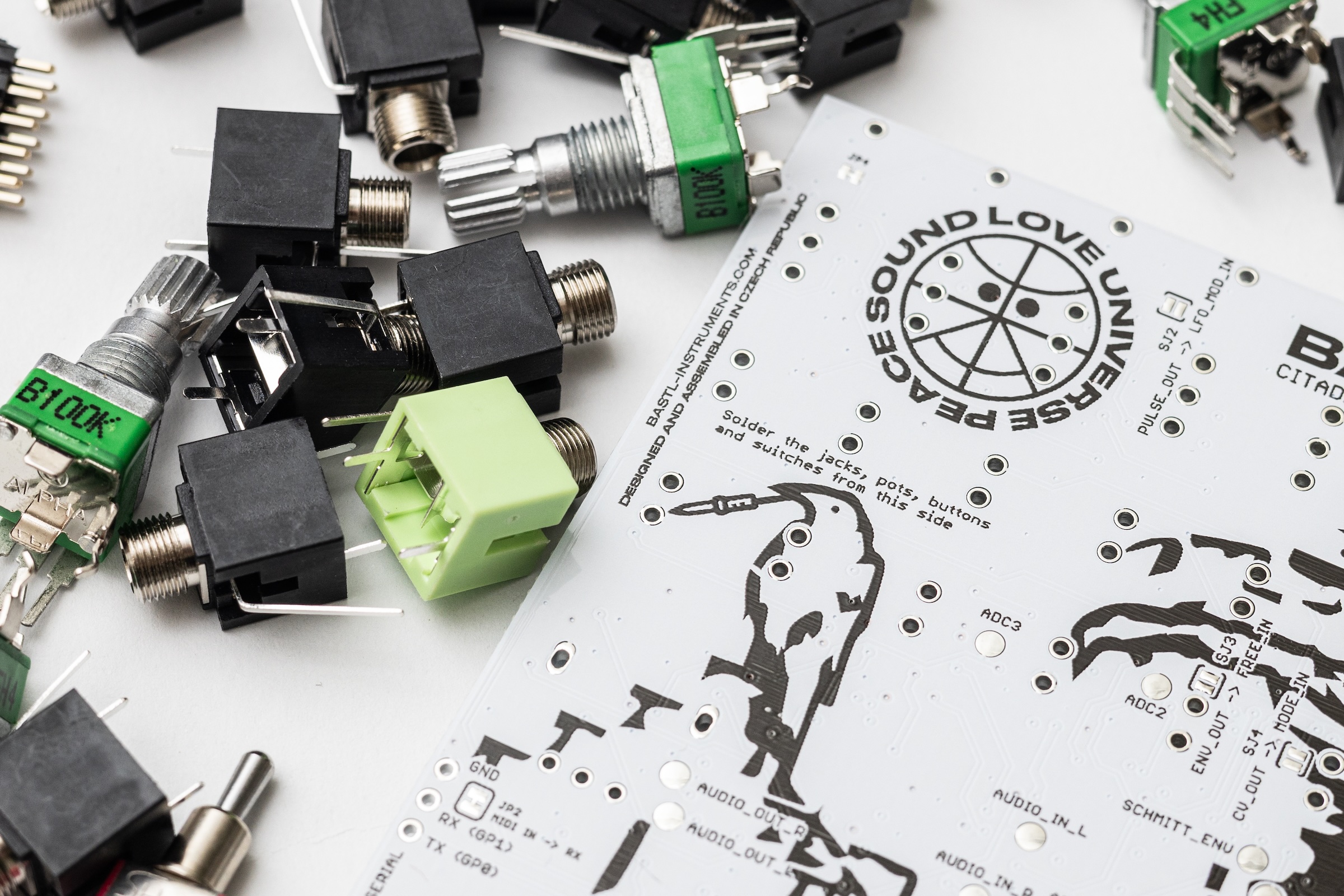
Here’s how to hook yourself up:
B-shop from Bastl has exclusive availability of kits:
Kastle 2 – 128 EUR / just the faceplate 20 EUR (excl. VAT)
Citadel DIY – 194 EUR / faceplate 25 EUR (excl. VAT)
Keys to the Kastle: open source
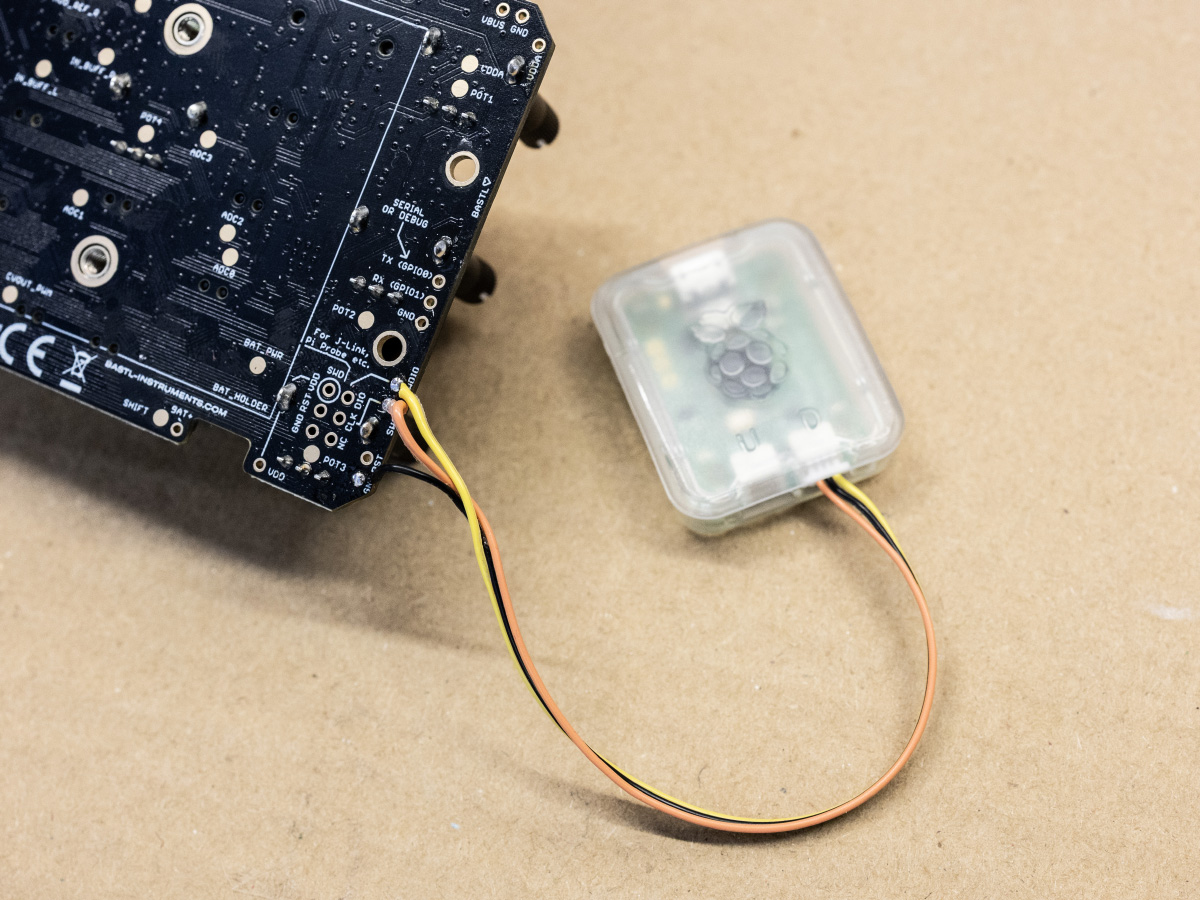
Kastle 2 winds up being a pretty cool, modular DSP platform in your pocket! There’s a simple toolchain to install with clear instructions for how to get going, and the rest runs on the Raspberry Pi Pico — just like the Workshop System’s expansion cards. (See below.) You get a bunch of ins and outs on this platform, too, digital and analog, some LEDs to flash, and even USB MIDI and stereo audio input and output. Wire up your pots and buttons, and you’re good to go — with or without Bastl’s own hardware, in fact.
“But wait, isn’t that true of the RP2040 already?” Well, no, because Bastl is also giving away their optimized DSP library and templates, all thoroughly documented and organized, to give you a leg up. You’ll still be coding in C++, but it’s fairly straightforward, modern sound coding of whatever you like.
And they’re making a lot of it open. Here’s the breakdown of what’s open and closed as they describe it:
What is going to be open sourced:
● Most of the code (core, Wave Bard and FX Wizard apps, DSP library, V/Oct calibration) – MIT
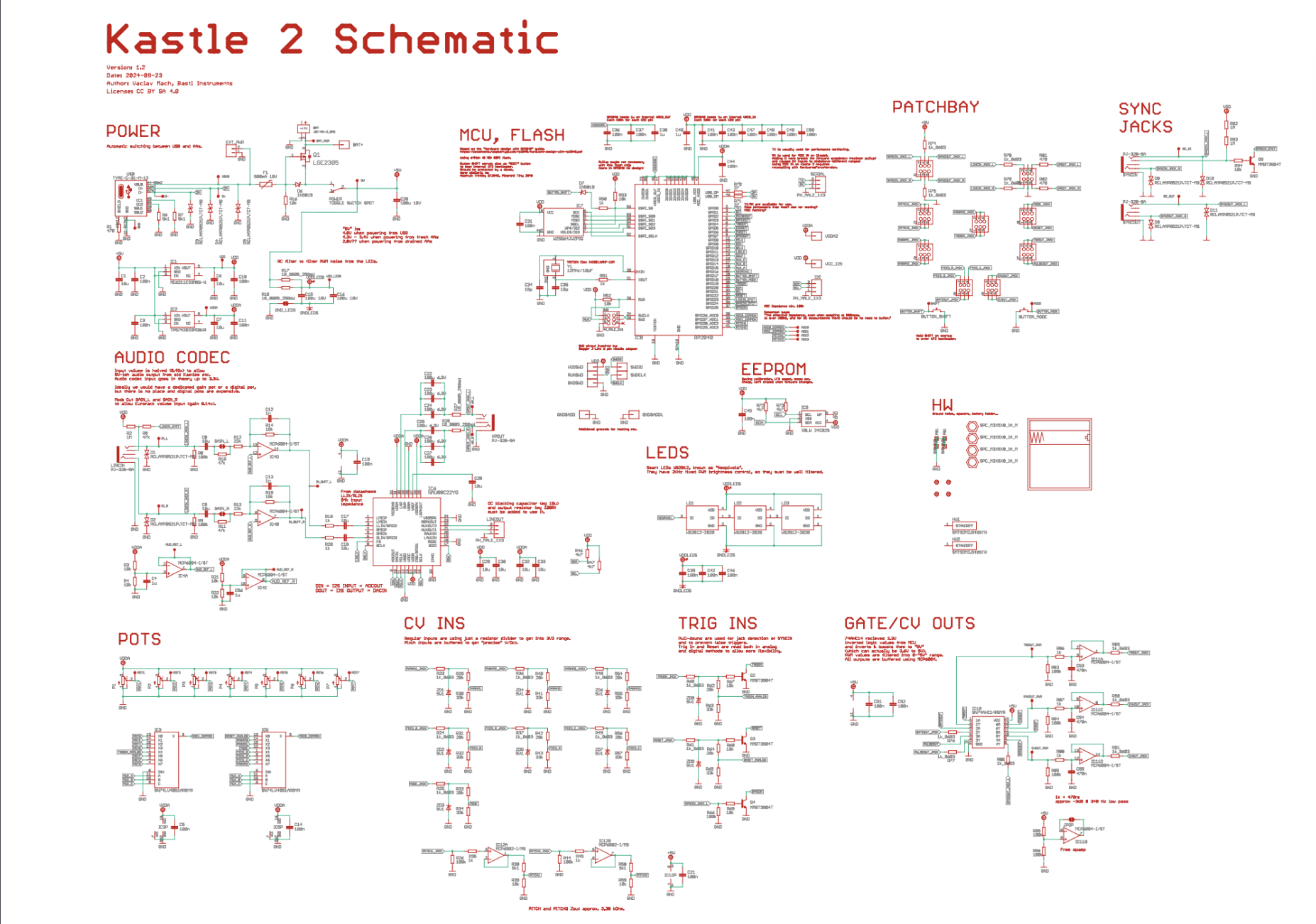
● Schematics as PDF (Kastle 2, Citadel), Documentation – CC-BY-SA
● Panel templates (without proprietary fonts and graphics) – CC-BY-SA
● 3D case (without graphics), pin header holder – CC-BY-SA
● TTS Voice recordings (Version, Calibration, Test Mode) – CC0
● Web Editor apps source code – MIT LicenseWhat is not open sourced ( = proprietary ):
● Alchemist app (at least for now – reserved for future projects)
● Board layout, production gerber files (we make a living by selling the HW)
● Test jig & production procedures
● final graphics, our custom fonts including anything that incorporates them
● Factory sample banks (available for download, but not licensed for redistribution in derivative products etc).
https://github.com/bastl-instruments/kastle2
That’s not a bad thing for developers, either — the fact that they’re remaining committed to the hardware means you can also imagine firmwares for the hardware they have out in the wild, just like we’ve seen Sinevibes do for KORG’s platform. Oh, and this also tells Bastl fans that this isn’t the end of the road for this platform at Bastl, either.
Excellent.
And as they add in the license notes:
Bastl retains proprietary rights to the board layout, which is not publicly available. This prevents simple product cloning and maintains the integrity of the original Kastle 2. By purchasing an original Bastl Instruments Kastle 2 you support ongoing development.
I mean, on top of — don’t you want a Kastle 2?
Here, look, go buy one, even in the USA (yes, it’s still possible to export from Europe, we think — maybe you should hurry). I promise to do something seriously irresponsible with the funds I might earn, like buy one, myself.
BASTL Instruments Kastle 2 at Perfect Circuit
BASTL Instruments Citadel at Perfect Circuit
If you buy something from a CDM link, we may earn a commission.
More on this soon, I hope!