Jason Dasent, a blind, UK-based Trinidadian musician, producer, and globally recognized accessibility consultant, has teamed up with the Roland Future Design Lab. The result: a comprehensive accessibility guide to every control, jack, widget, and function on the V-STAGE performance keyboard. More like this — a plea to the whole industry.
What’s interesting about this is that the V-STAGE already had physical, one-knob-per-function controls. It was really a device that should be destined for accessibility. But it took Dasent’s vision to see that — and to provide guidance about what was missing. In this case, that was really documentation.
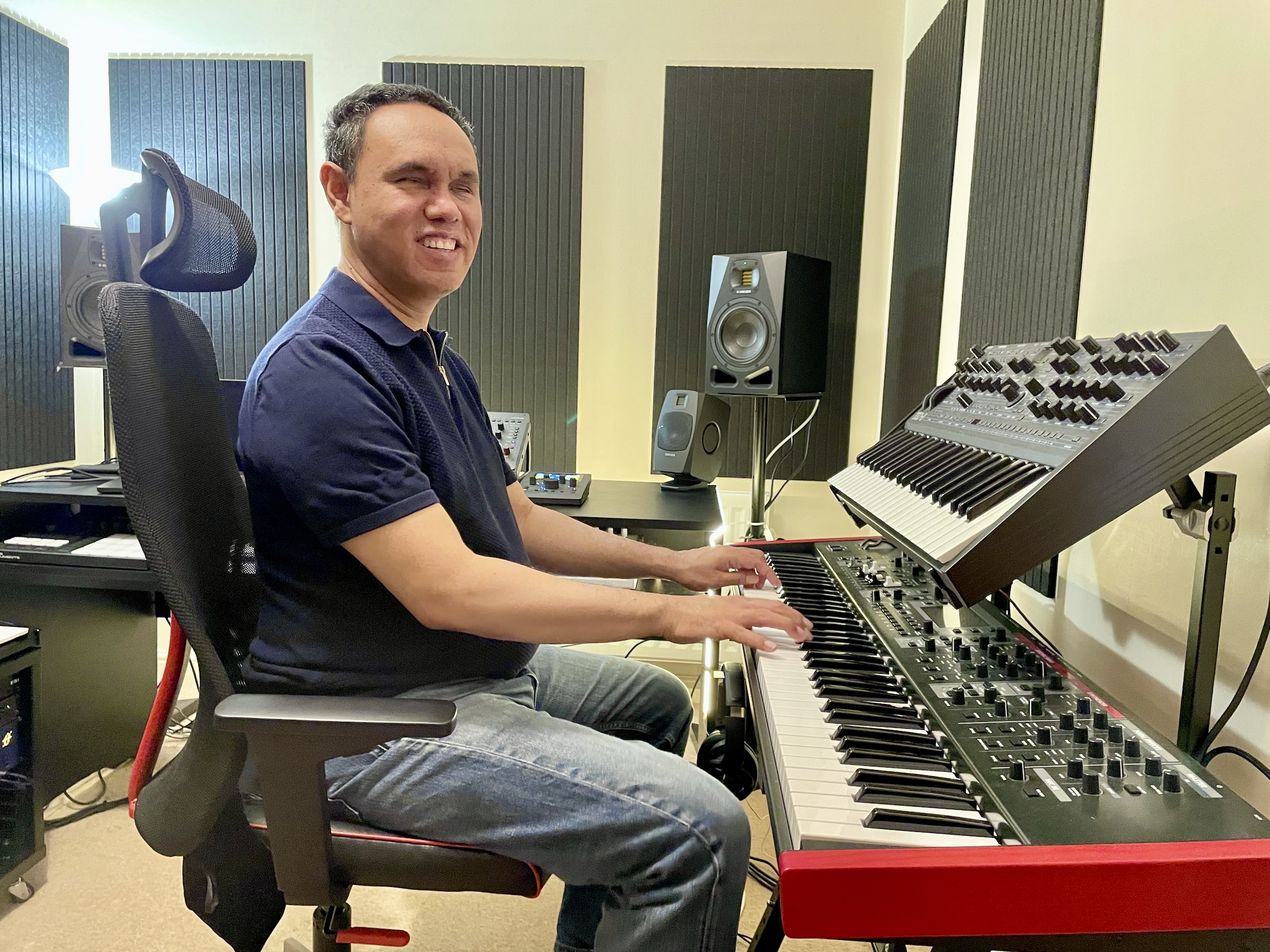
Via the press release, Dasent says:
“The V-STAGE already speaks the language blind musicians need: tactile, consistent, and built for muscle memory. All that was missing was documentation that met us halfway. Being able to build that alongside Roland, and to share it with the visually impaired music creator community I know so well, means a great deal to me.”
I’m not just here to sell the V-STAGE or something, though I do hope this finds its way into the hands of blind musicians. No, I very sincerely hope that every hardware maker, big and small, blind, partially sighted, and sighted, goes right now to check the accessibility guide.
What you get is a nice best-practices example of how to document gear. The trend toward more tactile design even means that more devices than ever could be accessible, provided they didn’t just limit access based on restrictive, ableist assumptions.
So what you get here is audio guides to each section, with screen-reader-compatible transcripts (and PDF, zip, MP3), video instruction (see below), and consistent, tactile language. (Read that last bit again: all of us working on documentation could learn something from writing in that voice, in a way that’s likely both to remove obstacles and improve writing overall.)
The visually impaired music community is really where the leadership is happening. To talk about designing the future — this is exactly the way to make what we build more accessible for those communities.
Check this video, too:
Roland, RFDL, and Dasent are collecting feedback here — and I’m curious what folks think. From the press release:
With the V-STAGE Accessibility Guide now live, RFDL and Dasent will collect feedback bysharing materials directly with visually impaired music creator communities, building the case forfurther investment in accessible music technology across Roland’s product line, including potential future proofs of concept for additional instruments
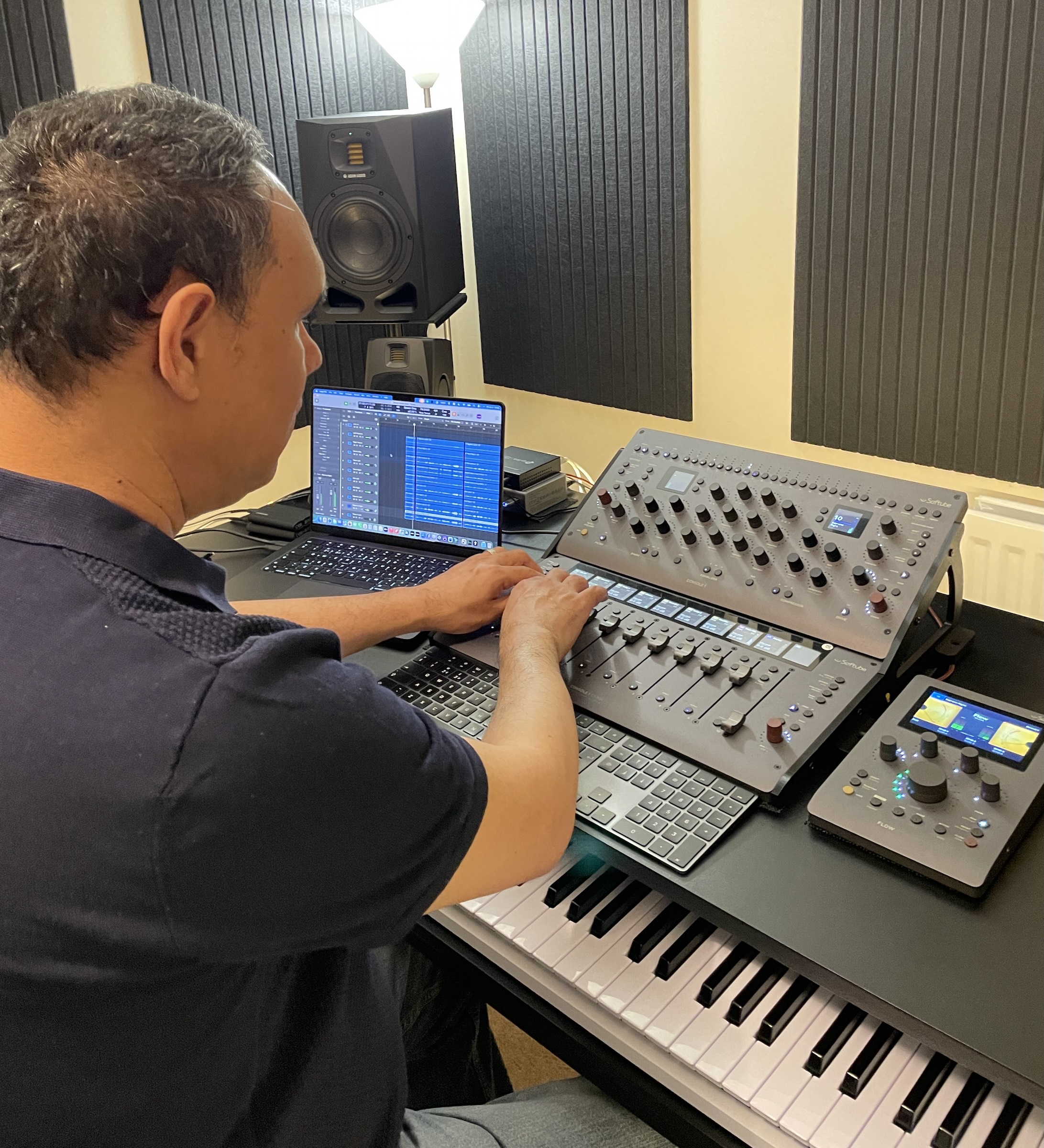
So to our blind and visually impaired readers, I’d be very eager to hear what you think. What works, what doesn’t? What other projects are doing this — or what projects would you like to see?
For more on the RFDL, I wrote about the project and talked to Paul McCabe for Roland’s own site:
A Look Inside Roland Future Design Lab
And I also wrote about their unique AI-powered pedal — one that works with artist-created training sets, not generic, normative, or generative materials (plus your own live input), so that it’s closer to artists’ own creativity: