It’s Thanksgiving in the USA, but Germany’s got your Protein, and what a surprise. The classic Microwave 1 wavetable sound meets a tweakable, compact desktop housing and 4-layer, 8-voice architecture. A Keto diet has never sounded more appetizing. Price? €329 in Europe intro, incl. VAT (€379 after the end of the year.) Out now.
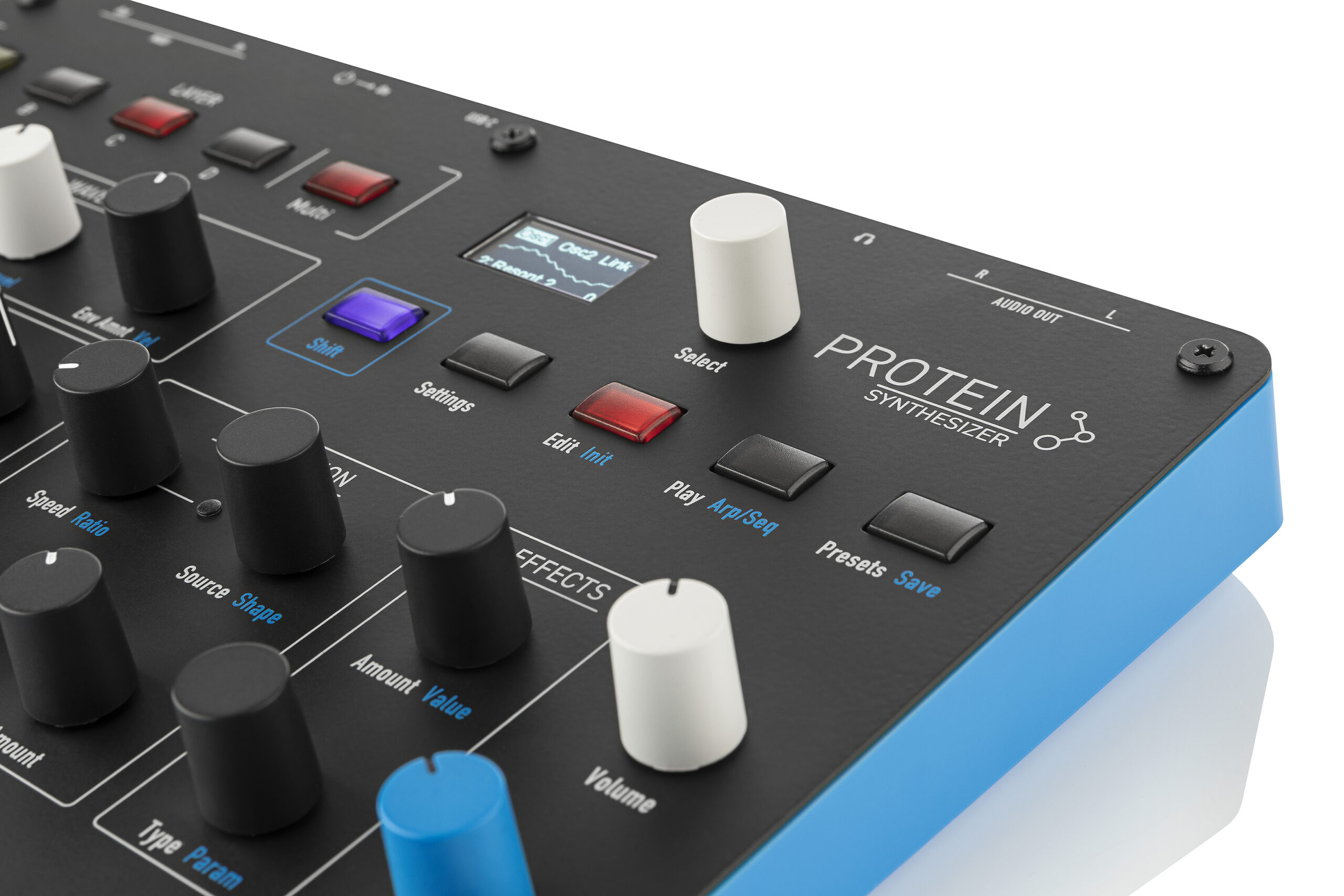
Let’s talk specs. The big draw here is that you get the Microwave 1 oscillators, running at their original 250 kHz sample rate and 8-bit quantization. The press release even uses the phrase “digital vintage” — hey, I’ve been saying this would be a thing since the birth of CDM. Here the analog side is modeled, but the modeling of Curtis filters and envelopes (with some modern options added) works brilliantly.
Basically, these wavetables will behave differently, especially at extreme registers, than “pristine” higher-bitrate wavetables anti-aliasing, and just dumping sampled wavetables on a standard architecture won’t have the same character as the original. Microwave 1 used ASICs, which are “application-specific integrated circuits” — purpose-built integrated chips, which were very expensive to construct in comparison to today’s low-cost circuit fab. The advantage of going direct to Waldorf is that they’ve got the originals, plus the expertise of folks like CEO and developer Rolf Wöhrmann and his team. And, not to overstate tha element — you can definitely reproduce that clock rate, quantization, and aliasing characteristics — it’s also about producing a harmonious design.
So you get the soul of the Microwave in a modern architecture with modulation matrix, hands-on controls, and the kind of Microwave we would want in 2025.
Sound demo:
I’m very, very interested to hear how the VCA and envelopes perform. I was impressed by this design on their software — see my review. Having this on your desk or onstage with physical knobs, if it can sound that good, could be terrific. Update: this is not a review, but I already hear envelopes that sound snappy and gritty like the Curtis models in that fantastic plugin.
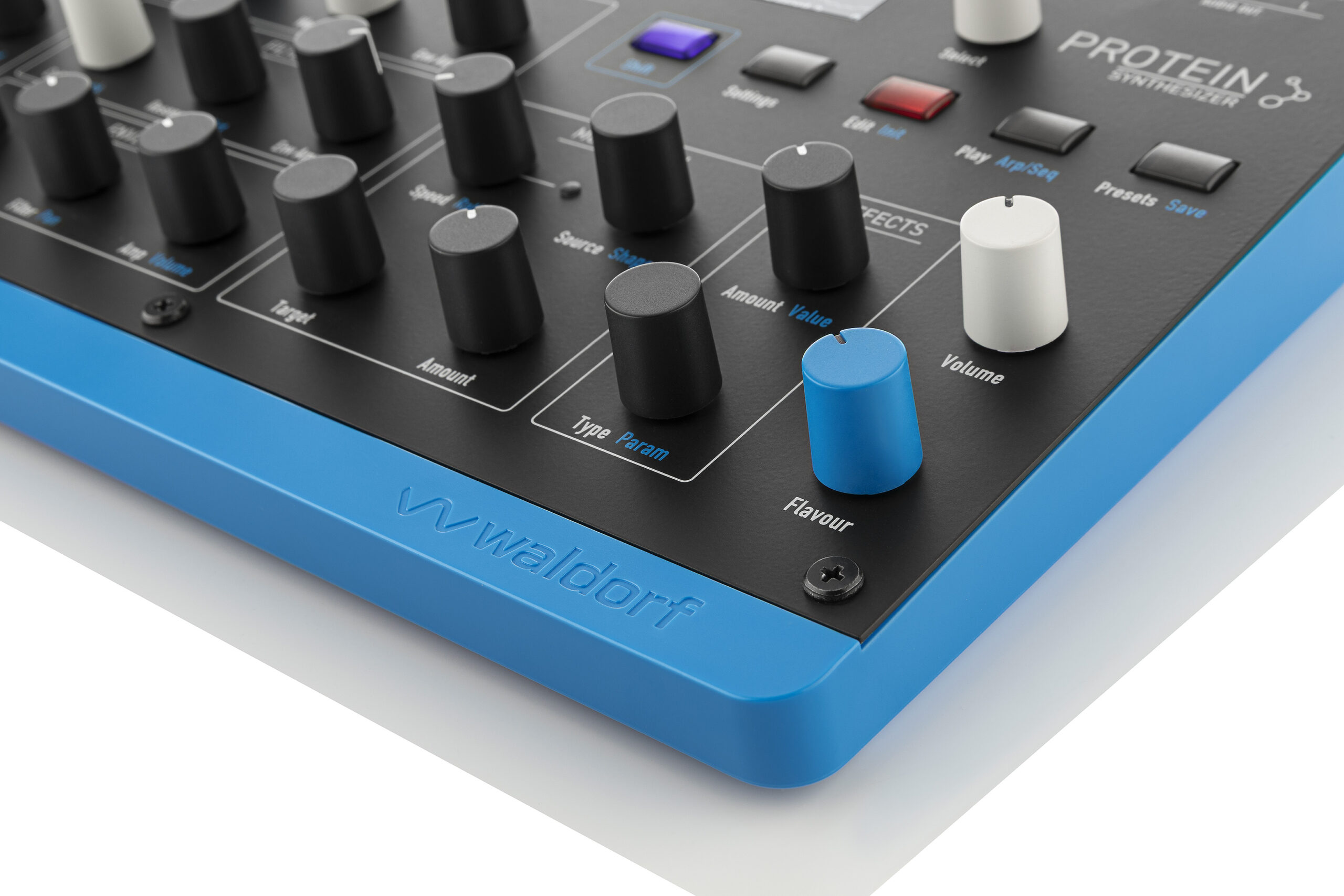
The specs do make this sound like it benefits from that same software model (which sounds f***ing fantastic). They lean on the Curtis filter models, but the reason that software wowed me was how great the Curtis envelopes and DAC and Waldorf ASIC, etc., sound. All of those details matter not for historical accuracy so much as you get a wavetable instrument with a ton of character.
But you combine this 8-voice polyphonic Microwave-inspired instrument with features like an arpeggiator inspired by Waldorf’s flagship Iridium. It’s crazy having that kind of power in a box this inexpensive, and frankly I love the human scale of the compact panel versus the sprawling Iridium.
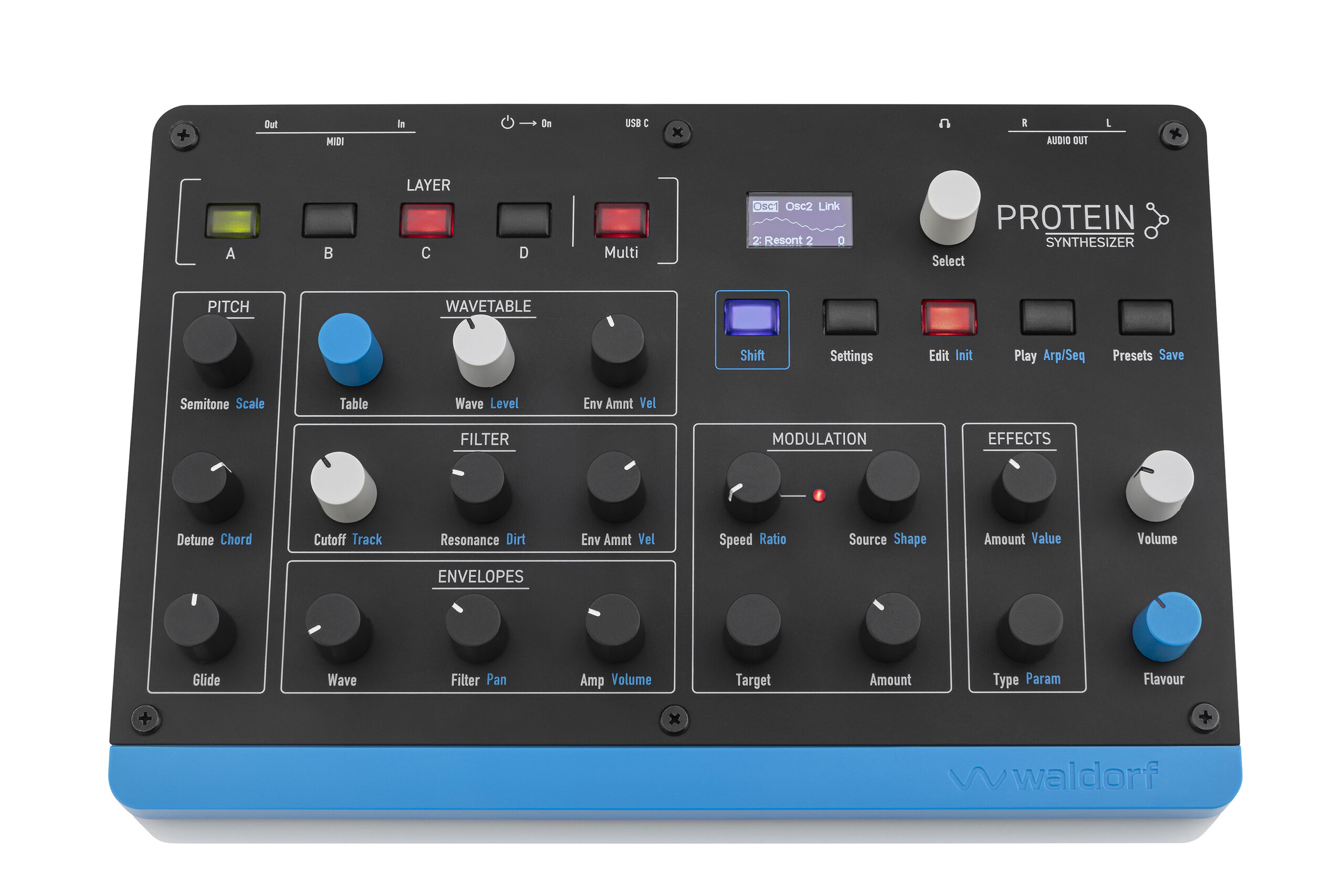
I’m quoting here — but check also the “Dirty” filter types, the full wavetable set (speech!), and de-calibration options with a “Flavor” option. Plus, MPE means this could be a really unique sound module with something like an Osmose, which is how I’ll test this.
The original Microwave was all about that hybrid analog filter/envelope with digital wavetables. Putting that into 8 voices, 4 layers, in this size and price? Welp… yeah!
Oscillators
- Two oscillators based on unique Waldorf Microwave ASIC chip.
- Internally running with 250 kHz sampling rate to match original ASIC sampling rate.
- Modeling of digital-to-analog converters for each voice (DAC).
- Unique digital noise generator based on ASIC technology.
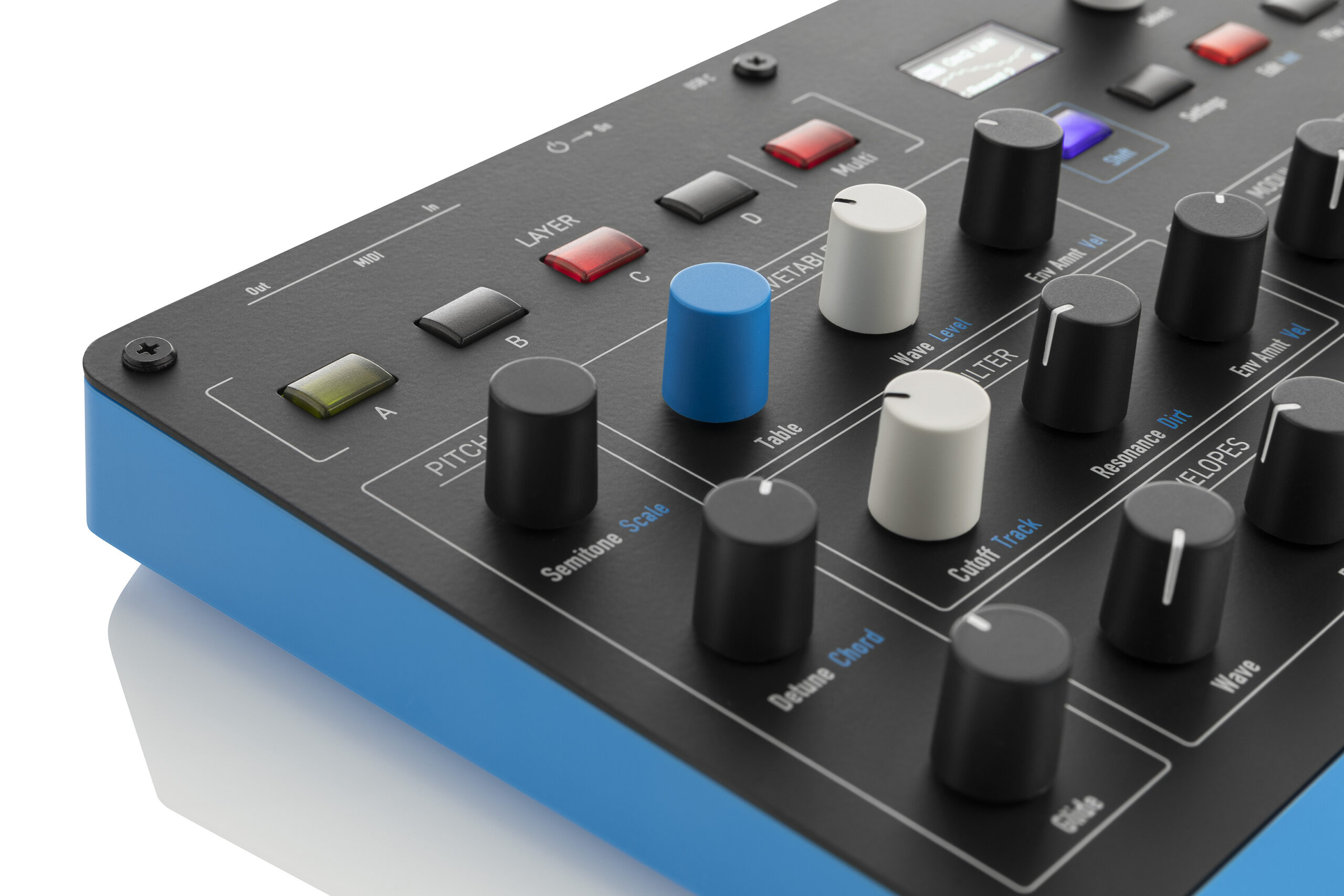
Wavetables
- All original wavetables of Microwave 1 based on the original coding and bit-identical to original.
- Including algorithmic and speech wavetables.
- Beautiful recreation of 8-bit quantization and aliasing.
- Full waveform catalogue of original Microwave.
Filter
- Faithful modeling of CEM analogue filters.
- Adjustable de-calibration of cutoff and resonance to model detuned hardware.
- Cutoff and resonance modulations.
- Additional „Dirty“ types: Noise, crackle, click, geiger and bursts.
Modulation
- 3 Envelopes
- 2 LFOs with tempo sync and sample & hold
- 8 slot modulation matrix
- Poly-aftertouch capable
- MPE modulation sources.
Effects
- Two effect slots
- Reverb, Delay, Chorus, Phaser, Flanger, Drive, EQ, Compressor, Tremolo
Voices - 8 voice polyphony
- 4 timbral layers
- Stacked, round robin and MIDI-split layer-modes.
- Mono & Legato modes
Performance features
- Advanced Arpeggiator
- Step-sequencer with up to 32 steps
- Chord & Scale modes
- MPE Compatible
- MIDI CC Learn
Patches
- Over 150 factory patches
- Capacity of 250 patch memory slots
- Category filter for patch list
- Import- and export of patches via MIDI Sysex
Connections - Stereo Audio Out with 6.35 mm jacks with optional mono and TRS stereo connections
- Headphones mini TRS output
- DIN MIDI IN & Out, mini-TRS Type A (two adapters to DIN MIDI sockets included)
- USB Type C for power supply and USB MIDI connection
- Firmware updates via USB
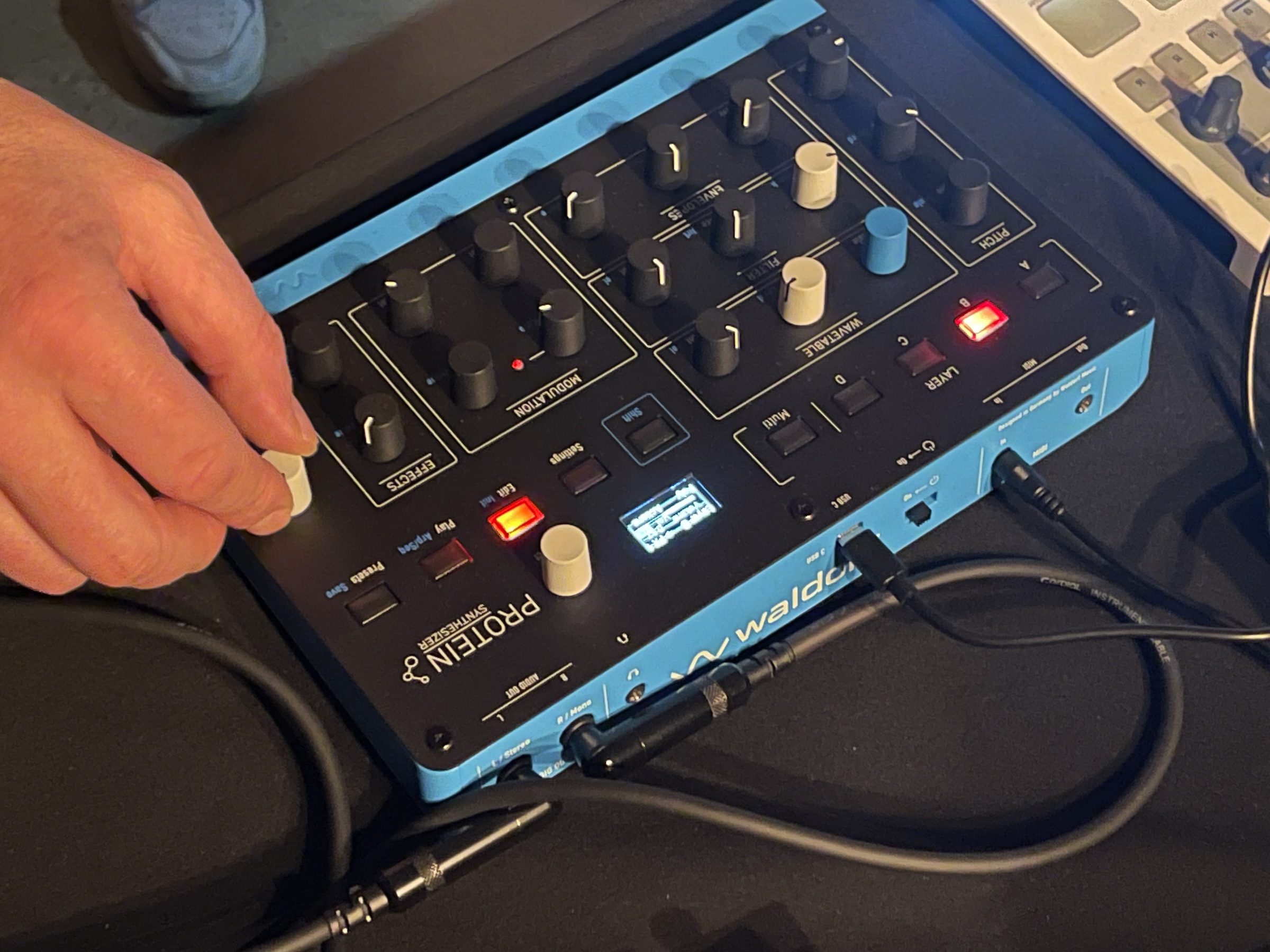
Overall
- Sturdy metal front plate on a colorful plastic case
- Dimensions: 252 mm wide by 170 mm depth by 48 mm height (including controls)
- Weight: 0.9 kg
- Power Supply via USB (not in the box)
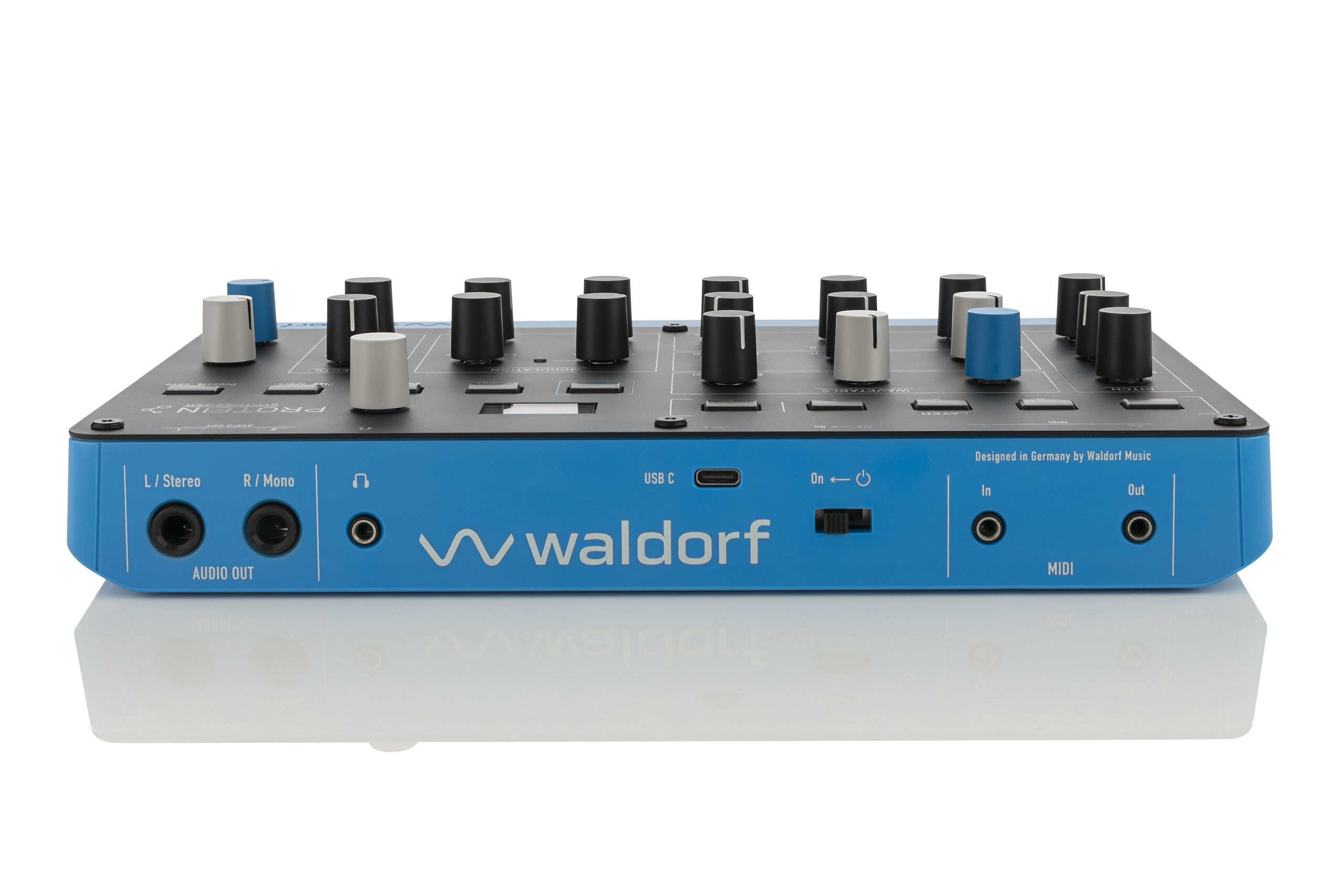
What’s In the Box?
- Waldorf Protein Synthesizer
- Two MIDI adapters: mini TRS to DIN sockets
- USB C to C cable
- Printed Quick Start Guide
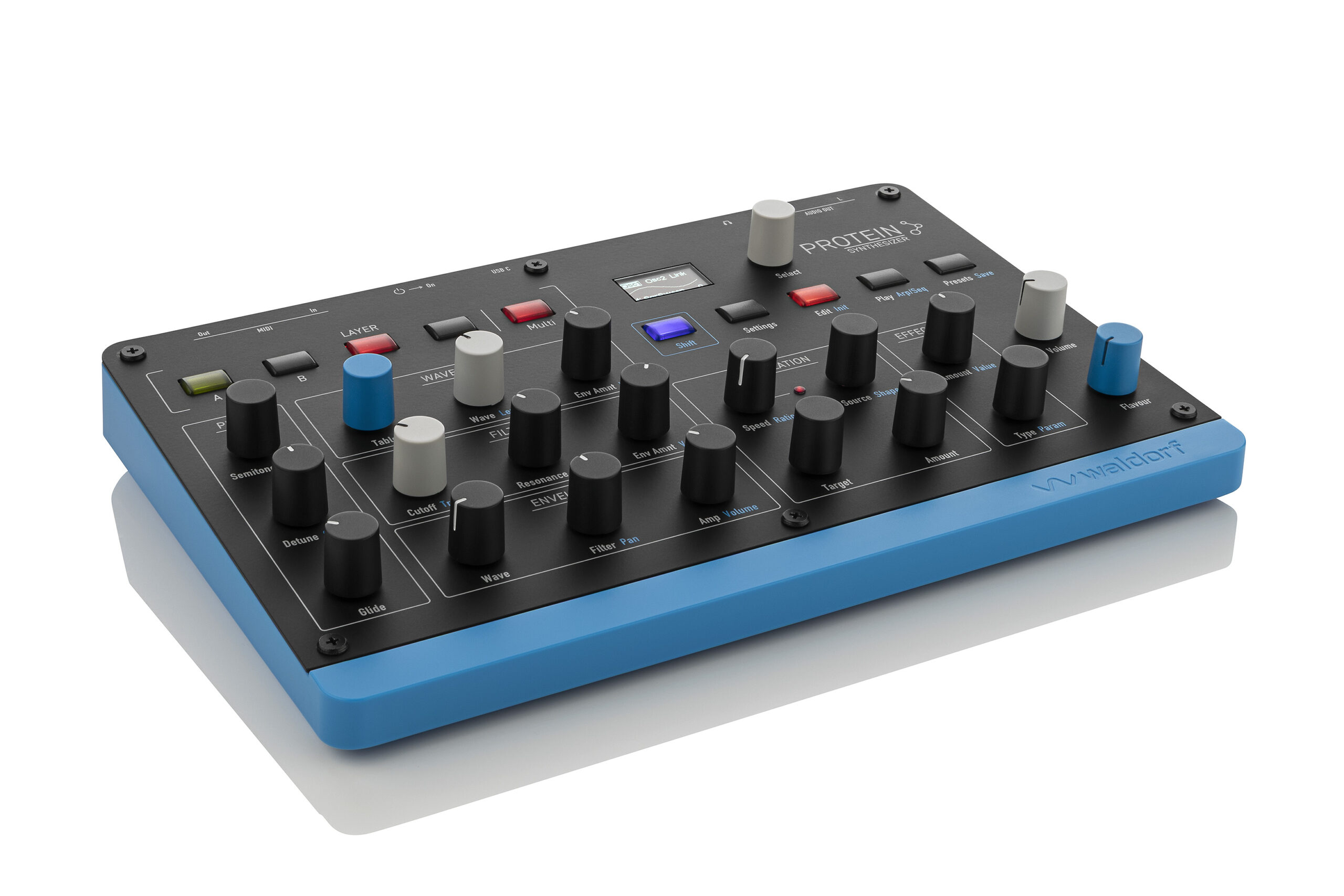
Available for orders now
Retailers are taking orders for Protein now.
If you buy something from a CDM link, we may earn a commission.
Waldorf Protein at Thomann (international) – 329EUR
Waldorf Protein at Sweetwater – $399
Waldorf Protein at Perfect Circuit – $399!
Launch event impressions
As publication time arrives, I’m off at the launch event in Berlin, which happens to include our dear friend Zavoloka. (I reviewed her completely essential album over the summer, and by the way, as half of Cluster Lizard alongside Dmytro Fedorenko, she also just scored the film War on Art documenting their native Ukraine since full-scale invasion.)
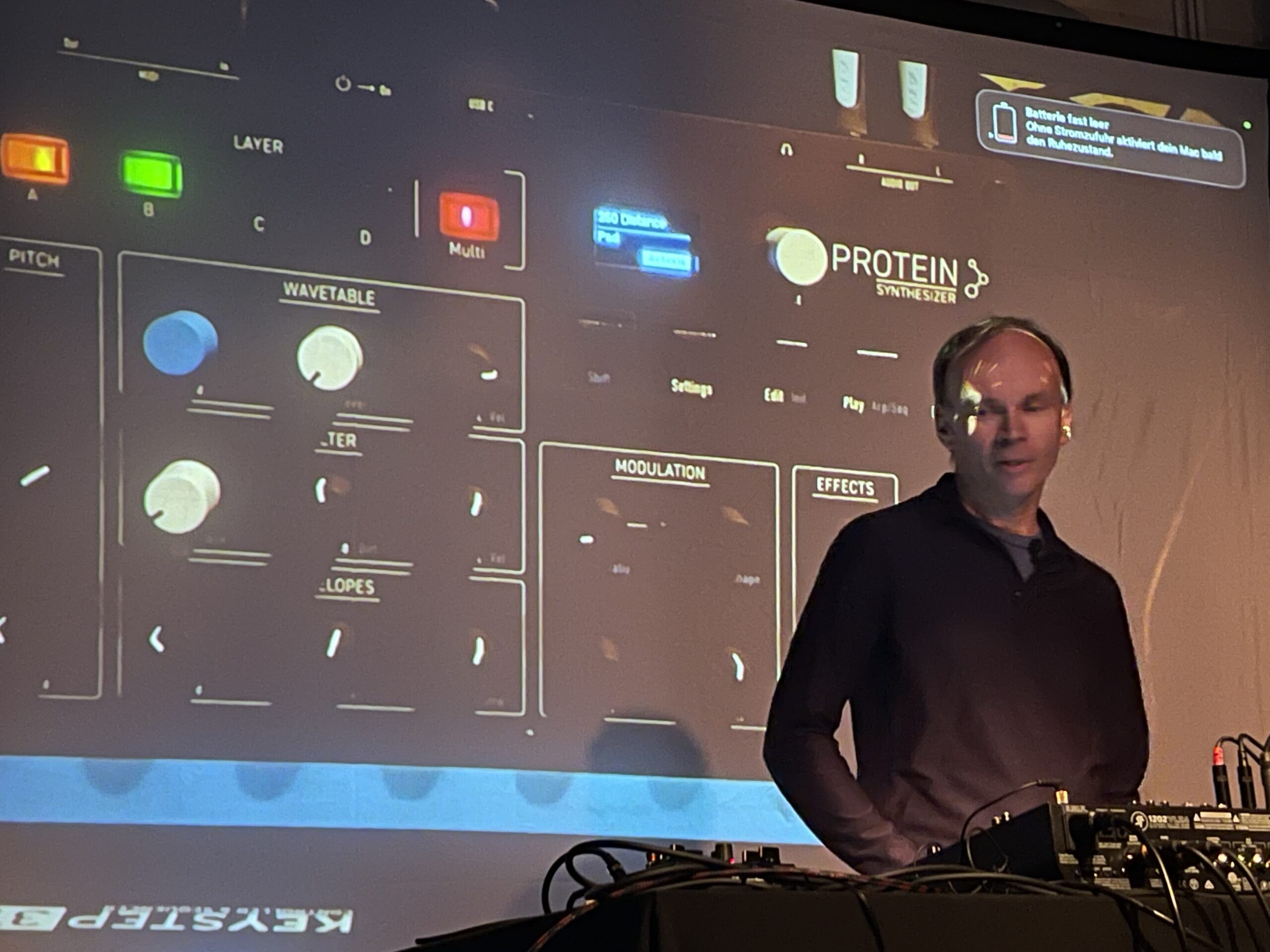
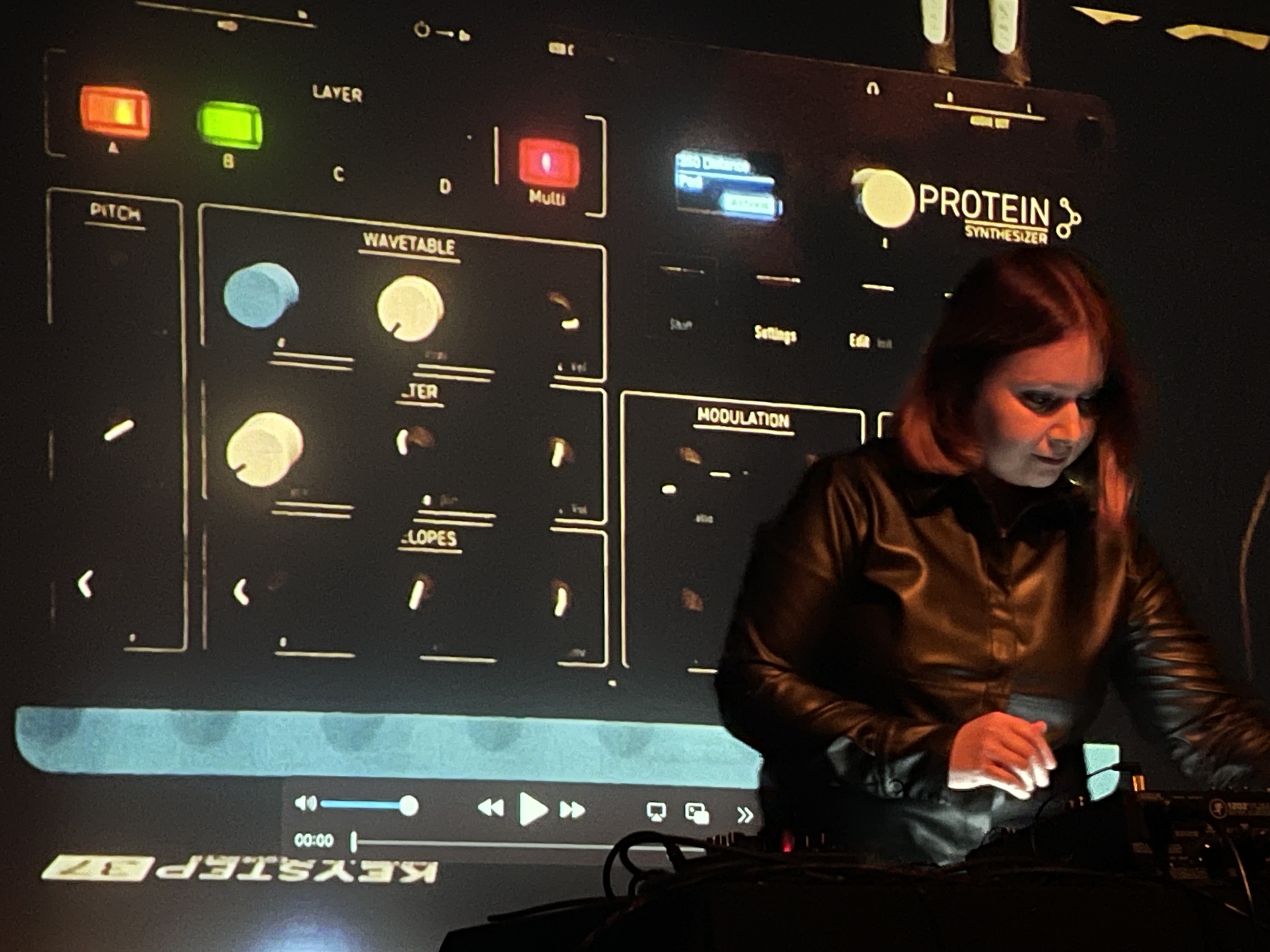
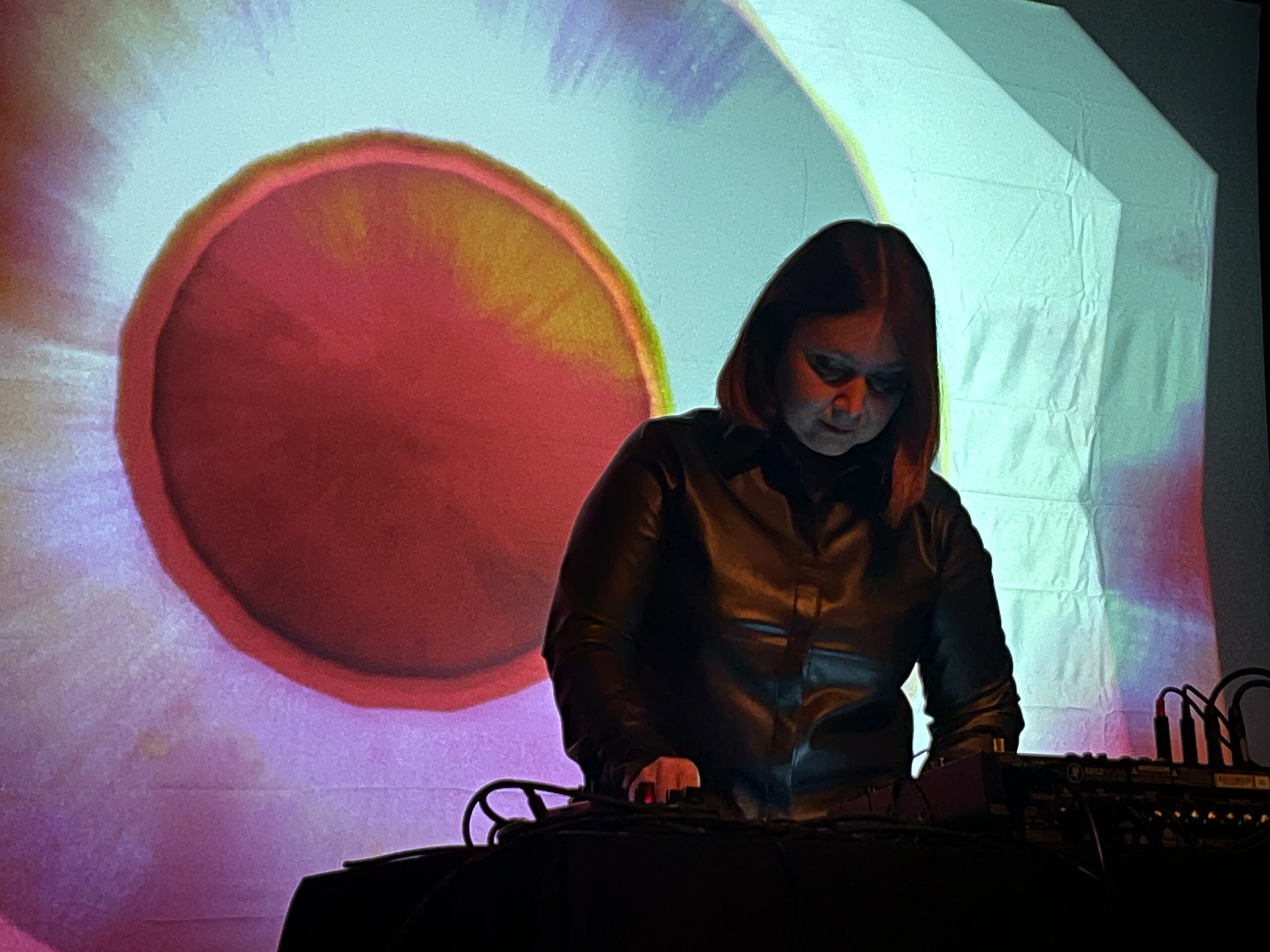
One revelation from that event; not only will this form factor have more coming, but expect a drum machine in the same box — someday. Unclear when.
Let us know any questions you have on this one. More soon.