The history of computation is connected to textiles. And in everything from choreographic gestures to weaving, one event makes patterns sing in music and materials and bodies. Across Sheffield, Berlin, Barcelona, Linz, and online, the latest Alpaca Conference is entering its second weekend, following an in-person festival the first weekend.
These practices connect beautifully. They give you a chance to craft patterns — thinking about dancing like code, and coding like dancing, and everything like textiles, and even physically weaving. And organizers are one of the few events using hybrid events to create greater accessibility and cross distances, while still encouraging interaction. I know first-hand; I was joining others in sharing Trisha Brown choreography over Zoom. And these virtual events got people moving and working with one another, not just zoning out with their cameras switched off.
Maybe the greatest obstacles to all of us are two-fold: finding time, and just starting to explore. The conference program will be online tomorrow and Saturday again, plus there are richly-illustrated papers to browse through at your leisure. You can watch from wherever you are, or even join watch parties in specific cities — removing the energy and financial cost and other barriers that arise from physical-only conferences.
It’s all a chance to tickle your brain and get smarter — partly through moving around and physically manipulating things. Thing about it as natural intelligence augmentation, rather than artificial. Here’s what the organizers pointedly offer:
Despite the inclusion of contemporary digital arts, our focus will be fully on hands-on, human creativity and not artificial intelligence.
The event will showcase work across disciplines, featuring diverse talks, workshops, and performances exploring how we can explore beyond our imaginations through pattern-making.
To give you a sense of this, here are some selected images:
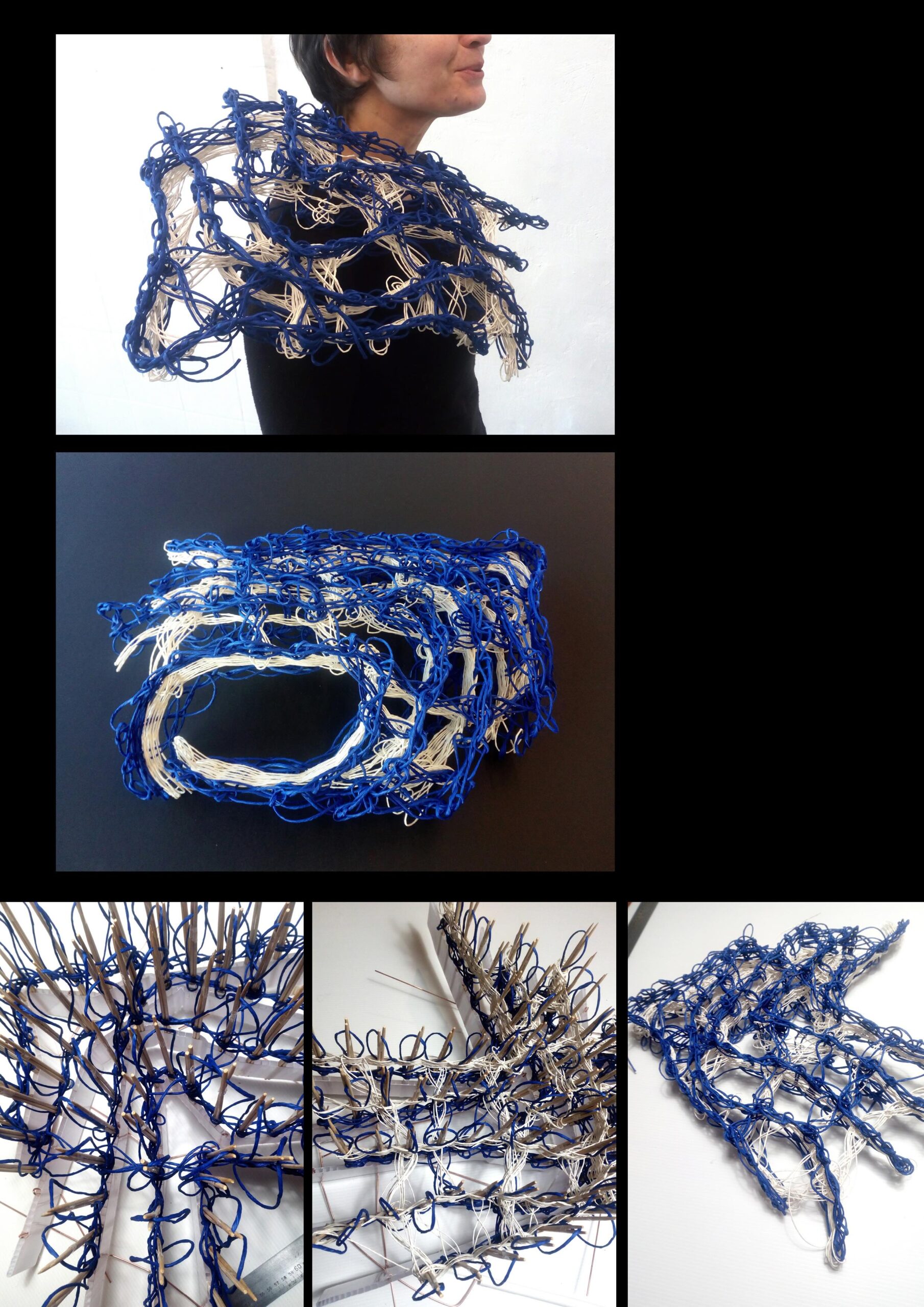
MultiWeave. Knight’s Tour and Other Sources of Inspiration – Kadi Pajupuu, Pallas University of Applied Sciences and Mari-Triin Kirs, Pallas University of Applied Sciences
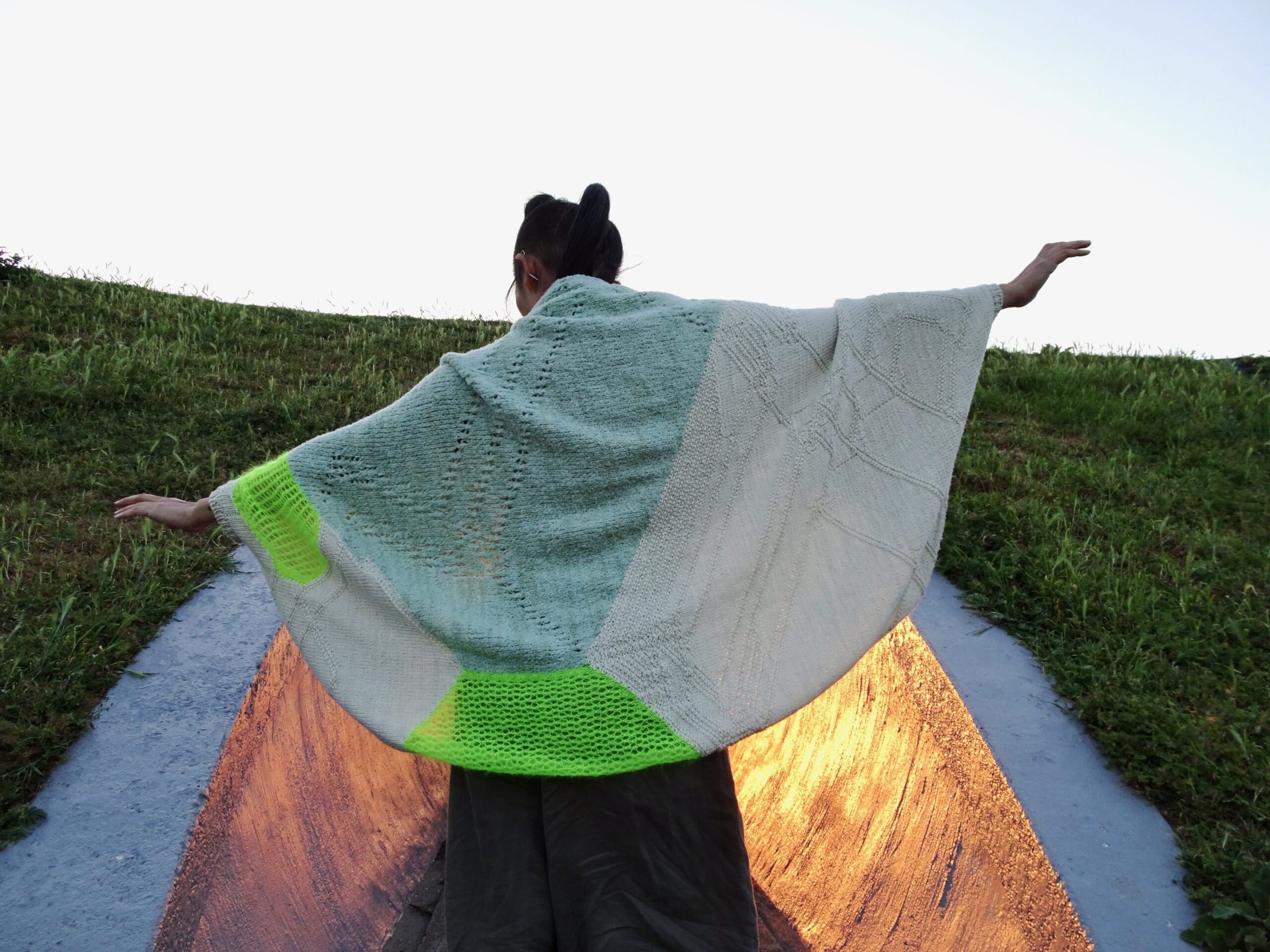
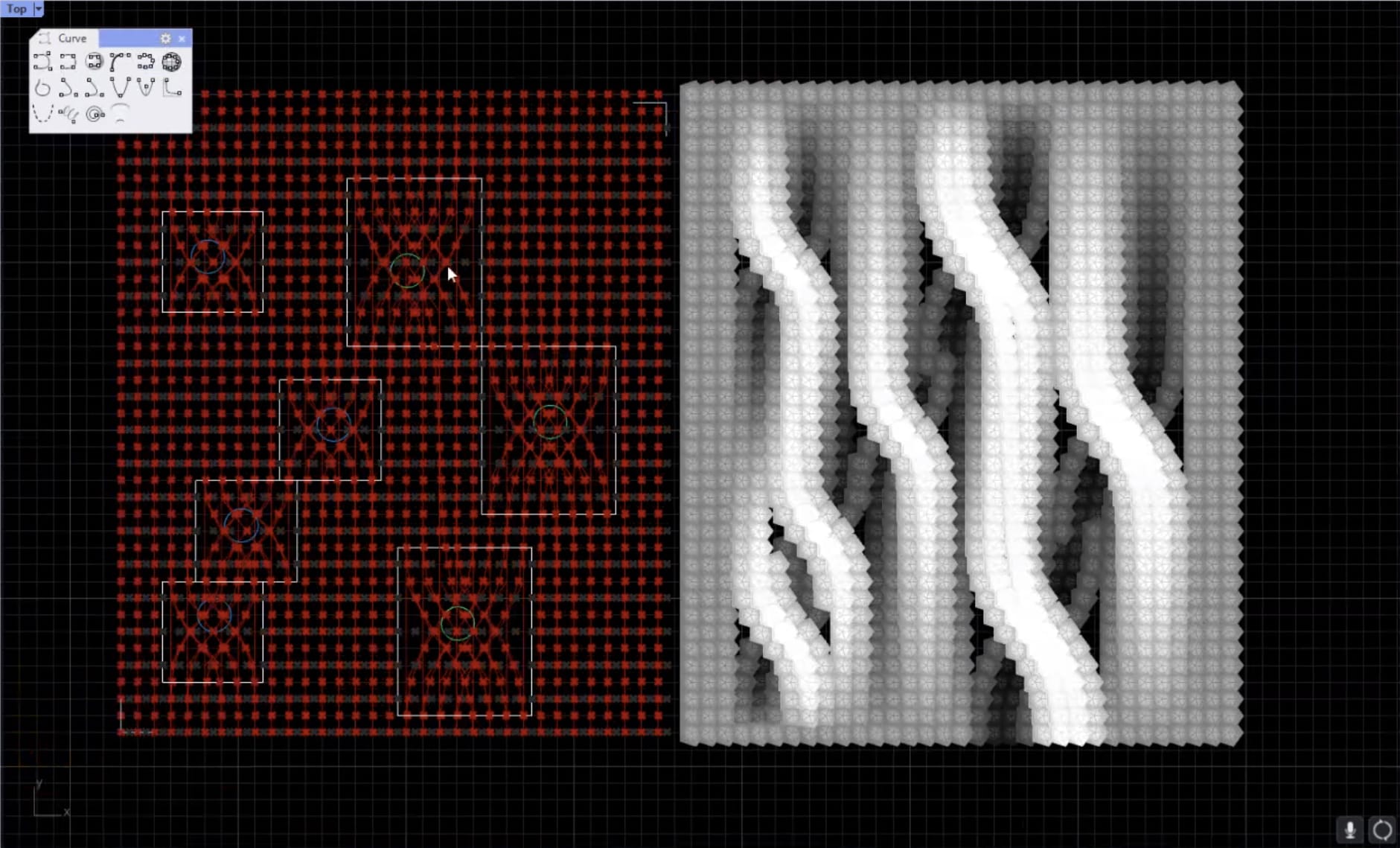
Algorithmic Knitting Design: Integrating algorithmic computing, fashion design and handknitting – Stephanie Pan, Stichting Modulus (Modulus Foundation) and Stelios Manousakis, Stichting Modulus (Modulus Foundation)
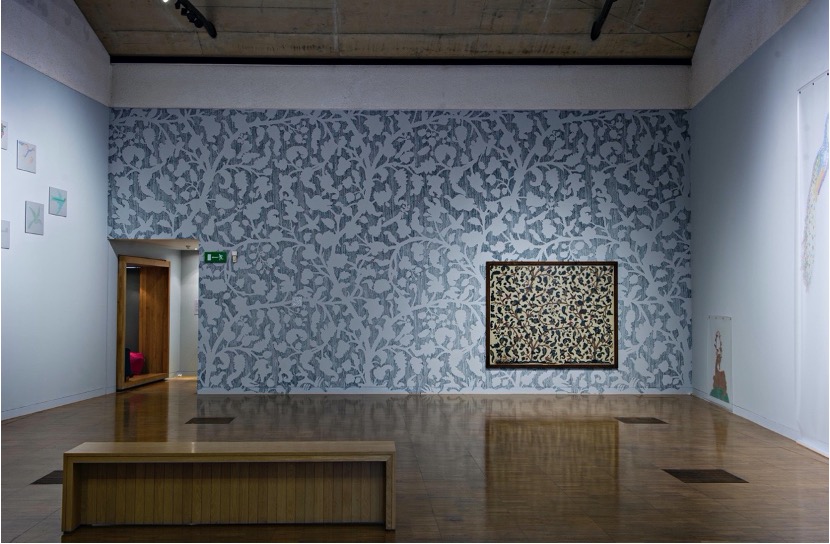
Photo credit: Andrew Weekes.
The Unrepeating-Repeat: A Pattern Logic of Variation, Translation, and Perceptual Shift – Danica Maier
Assocate Professor of Fine Art, Nottingham Trent University
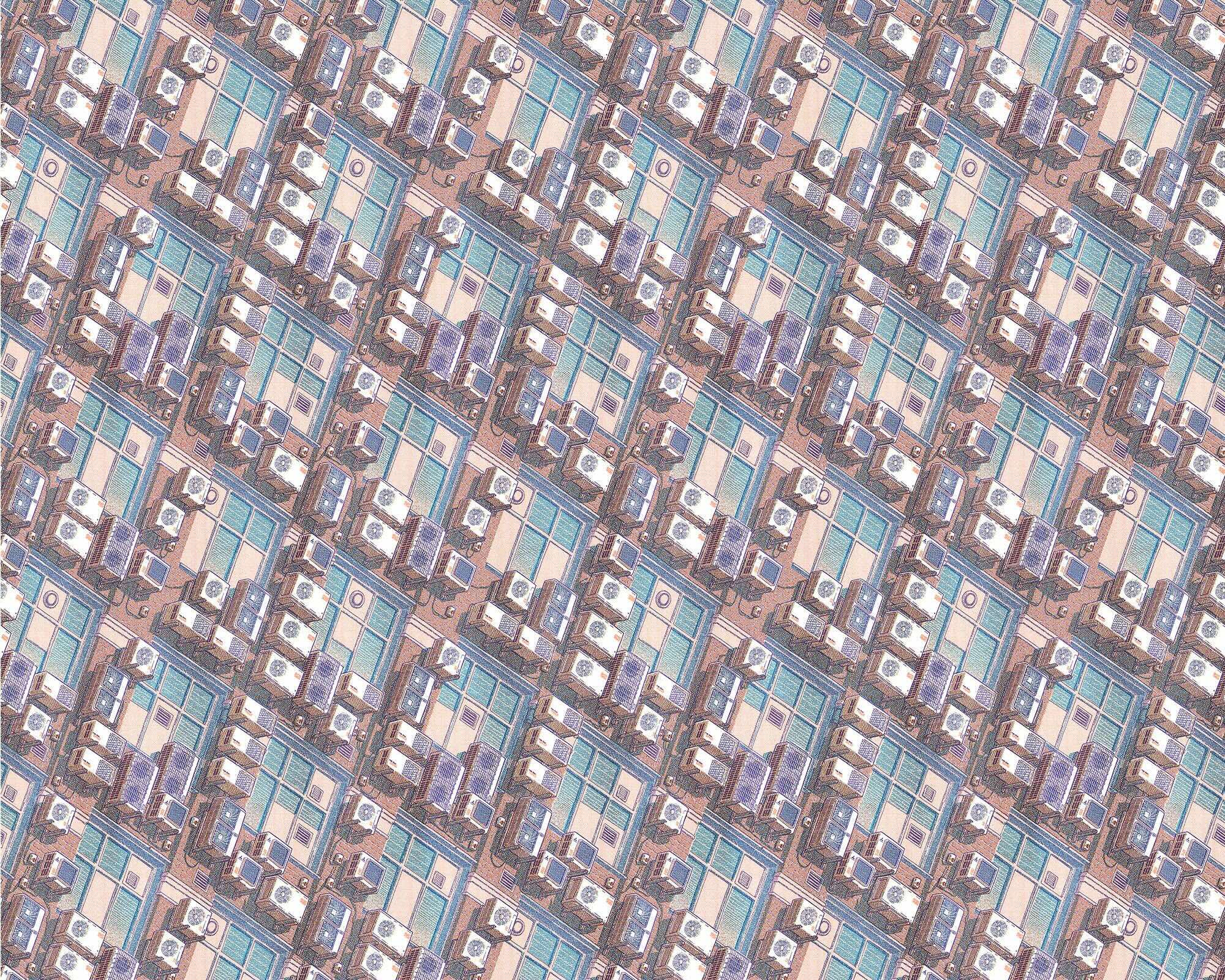
Infrastructure as Infinitely Repeating Patterns – Paul Hallows
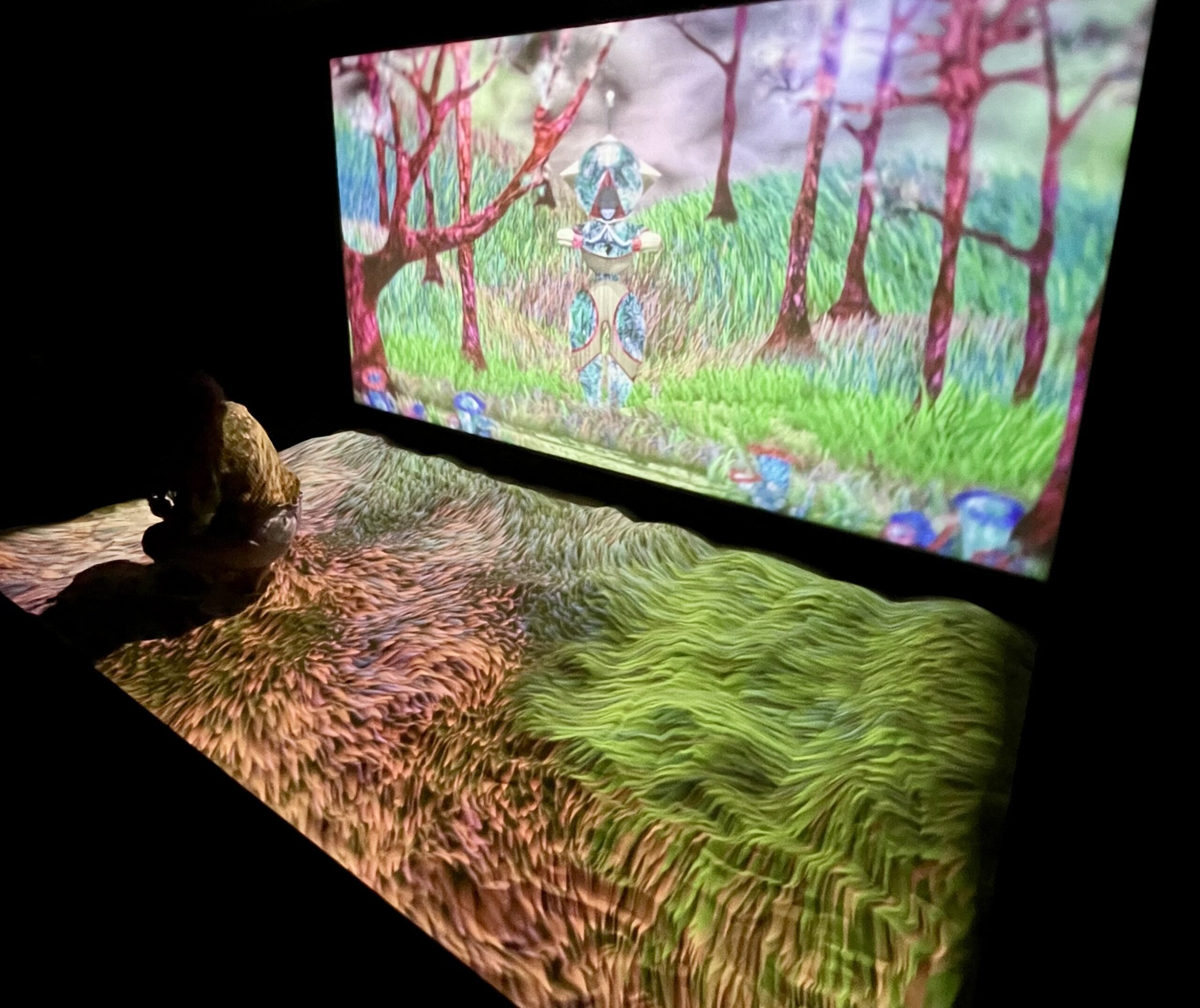
Flitter: A declarative language for structured visuals – Jonathan Hogg
Really quite excited by this one, as it seems a fantastic way to work with visuals. Check out the environment:
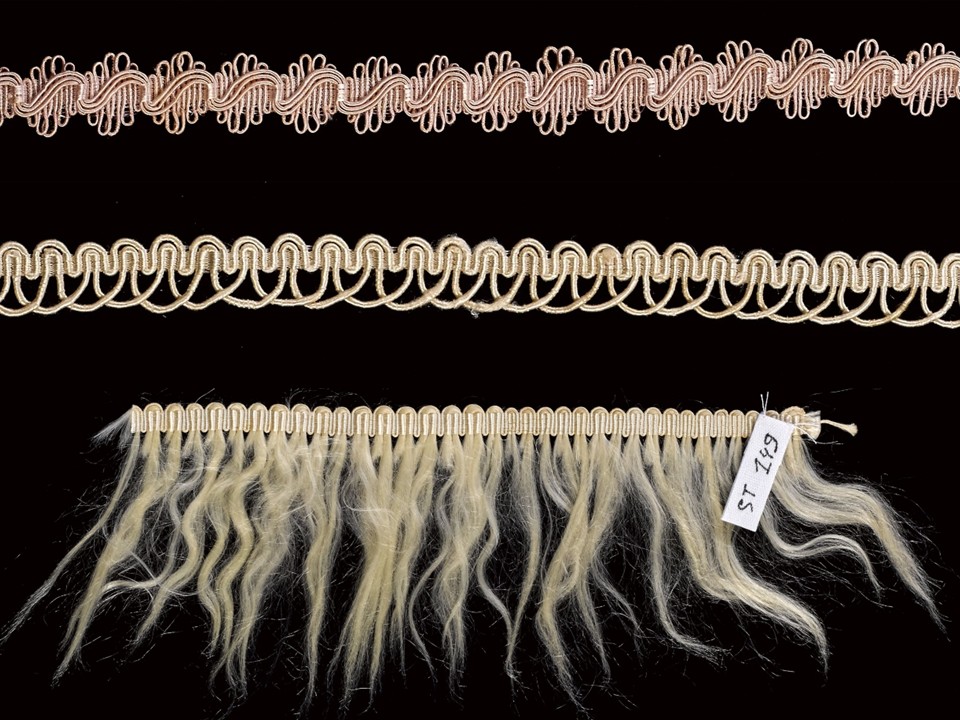
Figure 1. Images of passementerie braids and fringe at MoMu – Fashion Museum Antewerp. Images by Stany Dederen, licensed under CC BY-SA 4.0. Combined into one image from three images located here, here, and here.
_-_Passementerie_-_MoMu_Antwerp.jpg)
_-_Passementerie_-_MoMu_Antwerp.jpg)
_-_Passementerie_-_MoMu_Antwerp.jpg)
Binary trimmings and light-up loops: representing binary numbers with e-textiles and the heritage textile craft of passementerie – Jessica Stanley
Pulse, Pattern, Permutation: Applying Schillinger’s Pulse Interference in Computer-Assisted Composition – Alan Brown, SAE Institute, Auckland, New Zealand and David Chechelashvili, SAE Institute, Auckland, New Zealand
Love this one; have to explore it more myself.
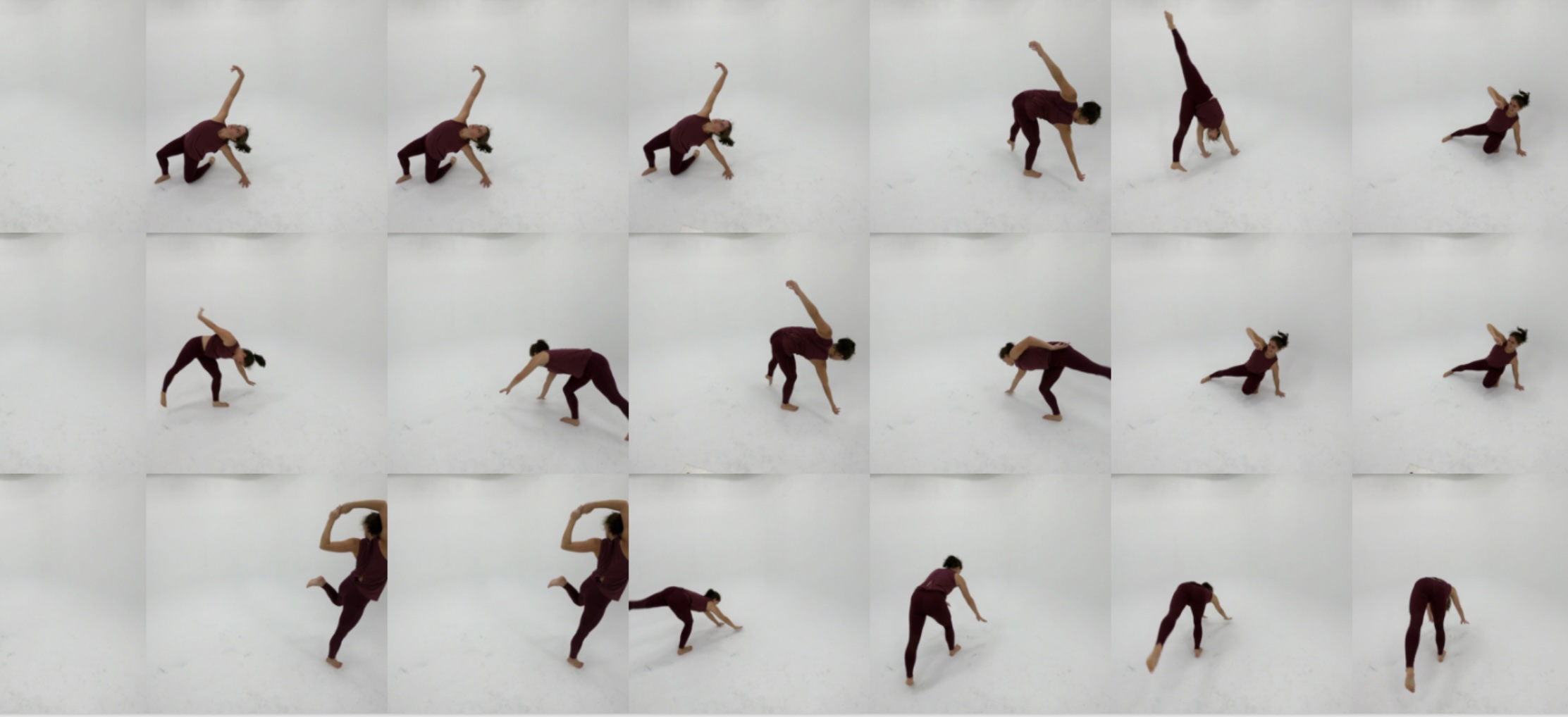
Kate Sicchio didn’t include a paper, but you can check her work on her site, connecting code, choreography, and the body:
And there’s a lot more, including one last workshop coming up on October 4 (which can even include materials sent to you via post). I literally chose these based on some pretty images; you should check out everything:
I also enjoy that if you search for “alpaca festival” you get a bunch of festivals of actual alpacas, and I do hope that us tech folks don’t spoil that.