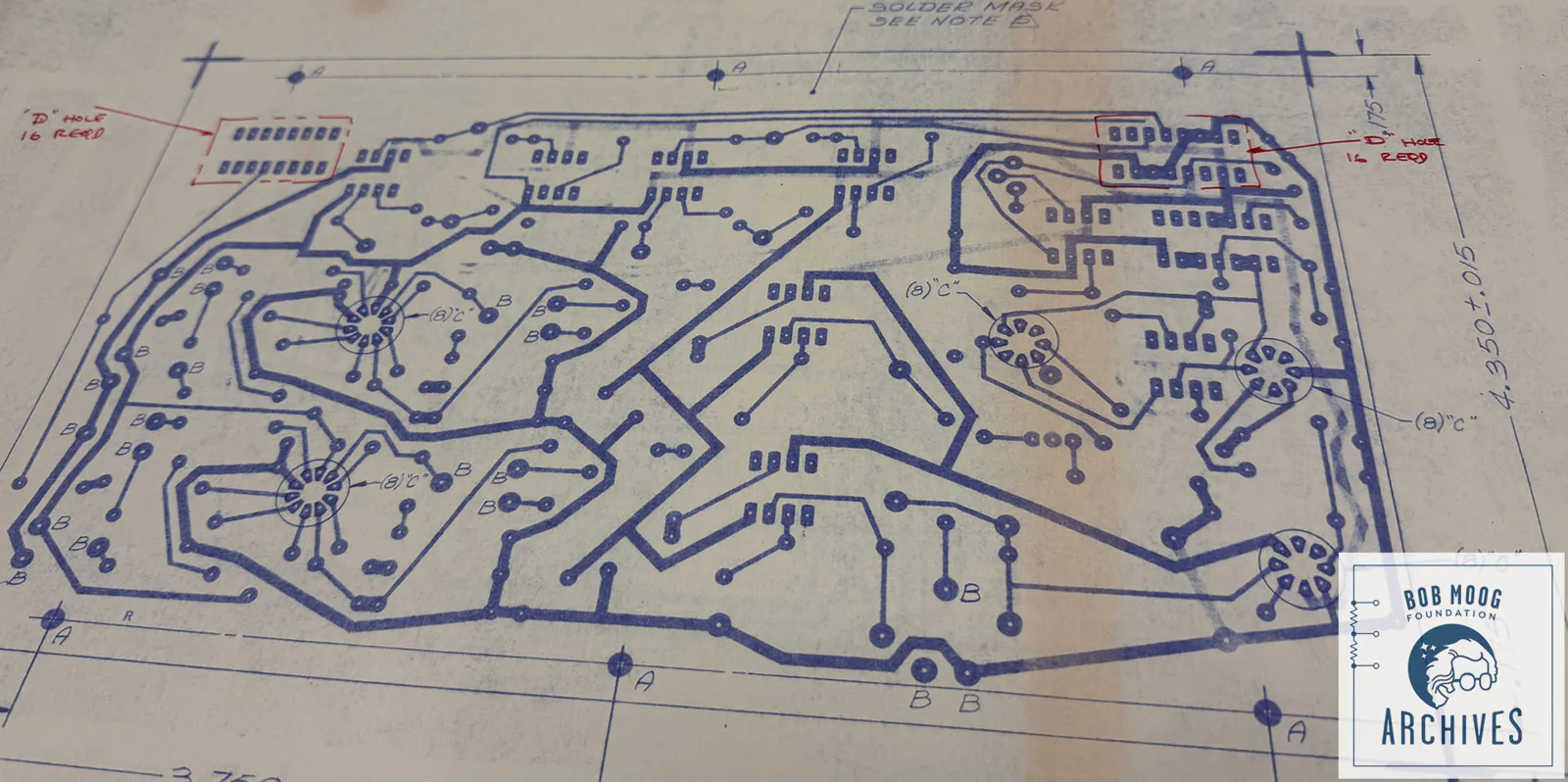
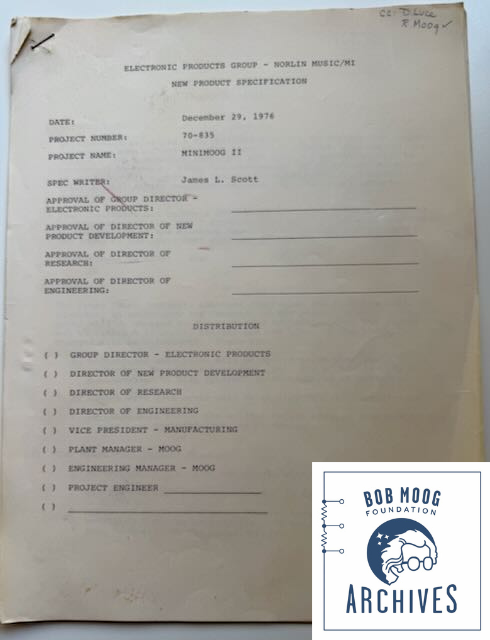
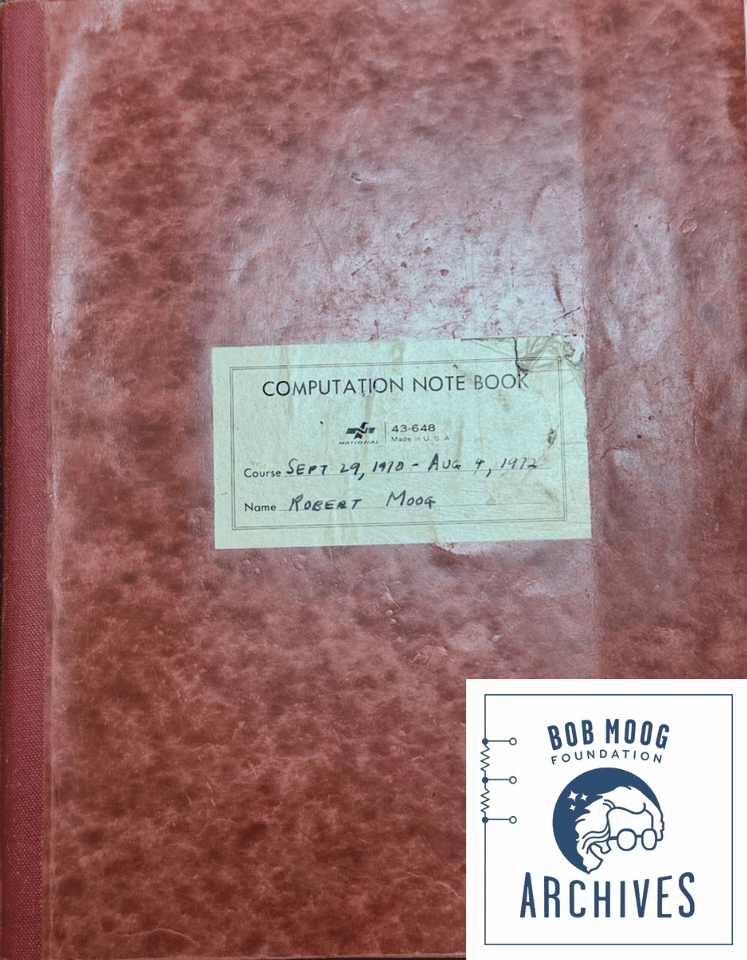
500 schematics, 700 letters, vintage synths, publications, personal effects from Dr. Bob, prototype models, and more: thanks to a major gift from inMusic, the Bob Moog Foundation has massively expanded its collection. It makes the history that much more whole. Here are some images to give you a glimpse.
It’s not just objects. People are deeply represented in there, too. That includes letters between Bob Moog and Wendy Carlos, Herb Deutsch, Felix Visser, and Lydia Kavina. There’s Bob’s personal artwork and handwritten engineering notes.
Other items:
Multiple Resonant Filter (MuRF) test fixture
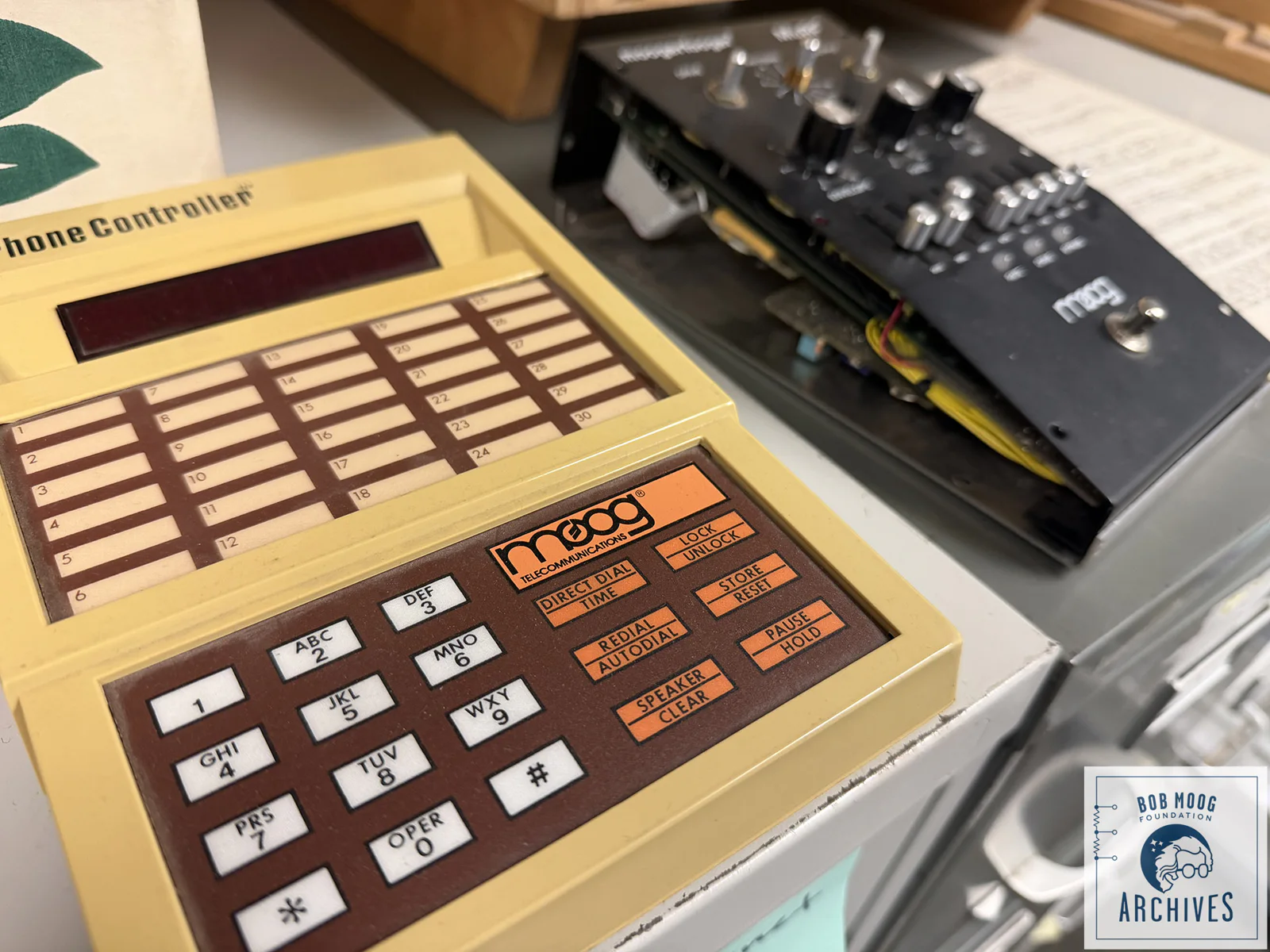
Moog Phone Controller model PC-30 (a phone autodialer — yes, made by Moog Music — see above! The MuRF is just next to it…)
Sixteen file cabinets full of capacitors, integrated circuits, and other electronic components
Fairlight CMI
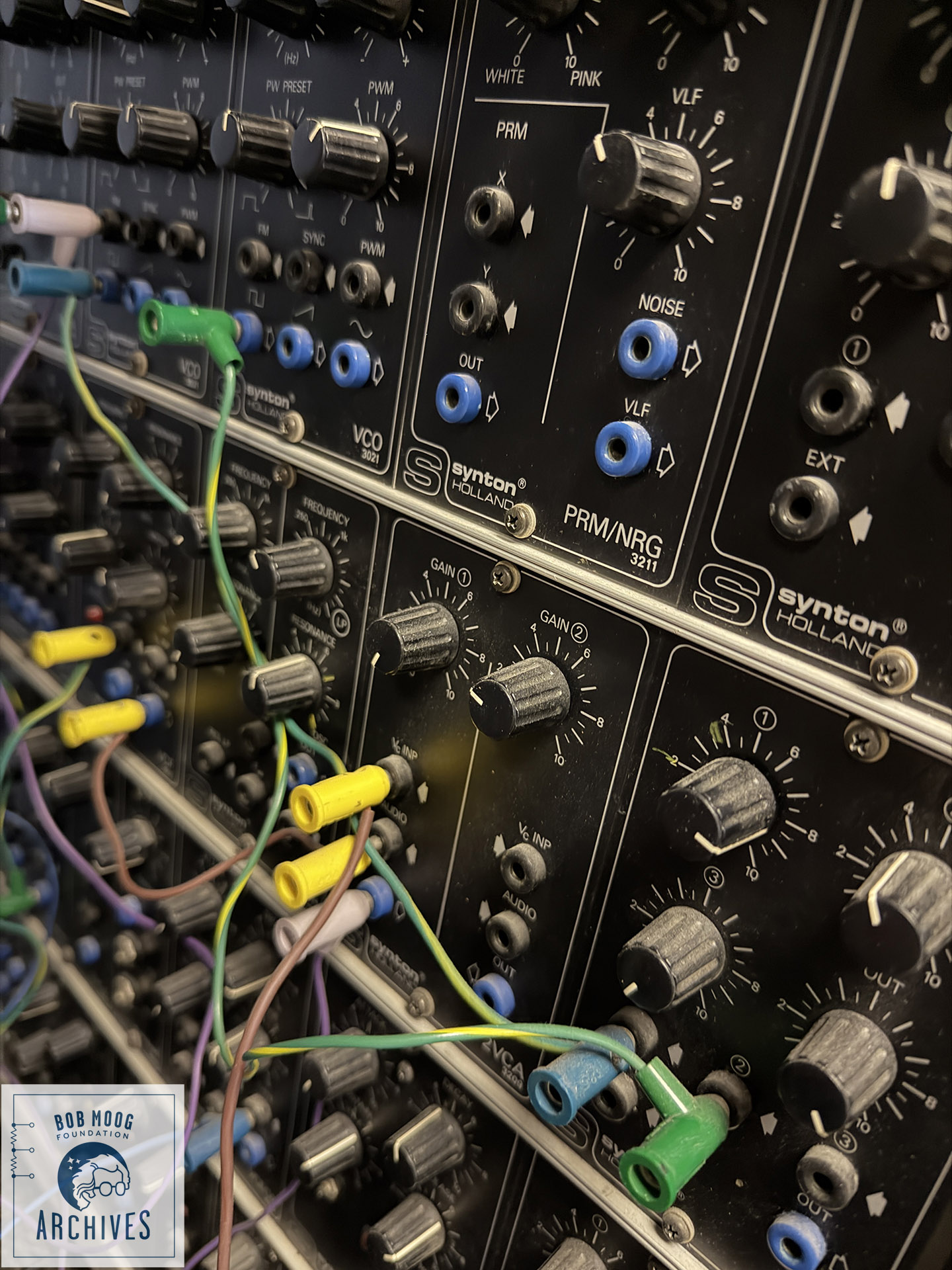
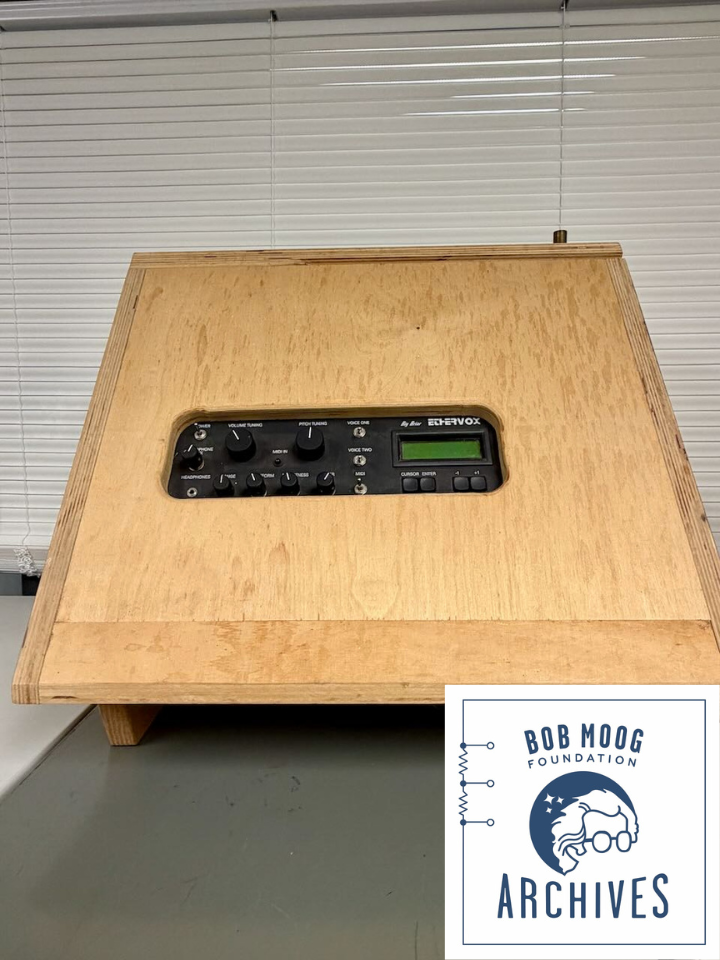
Synton System 3000 modular synth (below)
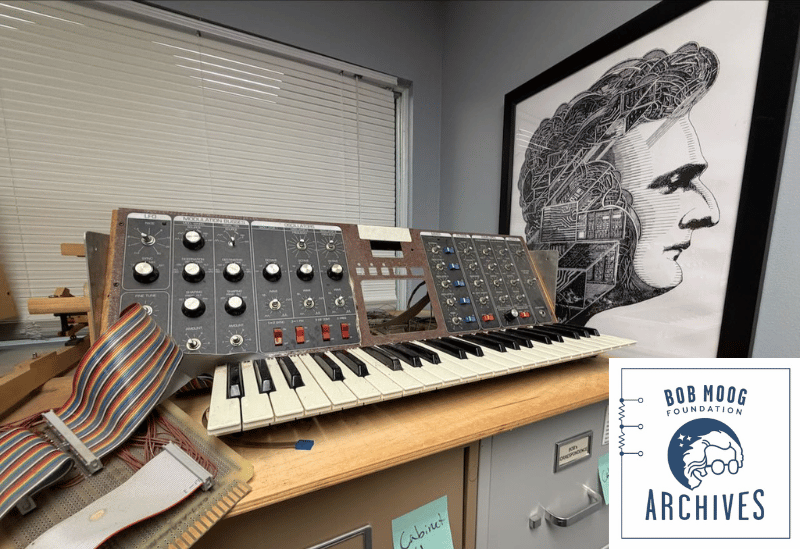
Bench-model Minimoog Voyager prototype
inMusic builds on other donations they’ve made, including the 2002 Technical Grammy, an original woodworking lathe Bob used with his father (!) to make early Moog cabinetry, and more. The total collection at the foundation now numbers over 15,000 pieces, including other items:
“… 1954 R.A. Moog Co. Model 201 and Model 351 theremins, Bob’s very first-ever electronic instrument (the “Rensitron”), Herb Deutsch’s Melodia theremin from 1961 and R.A. Moog Co. Minimoog from 1971, an R.A. Moog Co. Troubadour theremin from 1962, two Moog modular synthesizers from 1967, a Musonics Minimoog, Gary Wright’s Moog Liberation keytar, the Polymoog Apollo prototype, the first Minimoog Voyager ever sold, and much more.”
“It’s quite an extraordinary donation and places the Bob Moog Foundation Archives solidly amongst world-class archives,” Michelle Moog-Koussa, Executive Director, tells CDM. It’s “an embarrassment of riches.”
Here are some more Michelle picked out to share with us. I appreciate that, because while there’s no substitute for heading to Asheville to see this in person, this is as close as we can come to having a look with the person who has championed this legacy so brilliantly.
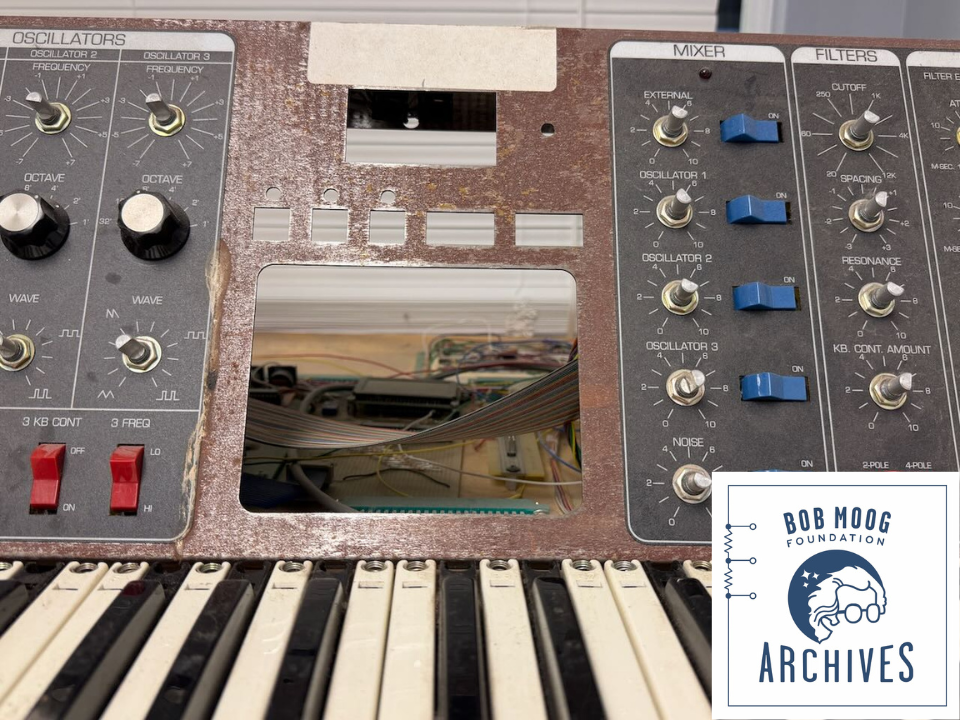
Voyager Test Unit:
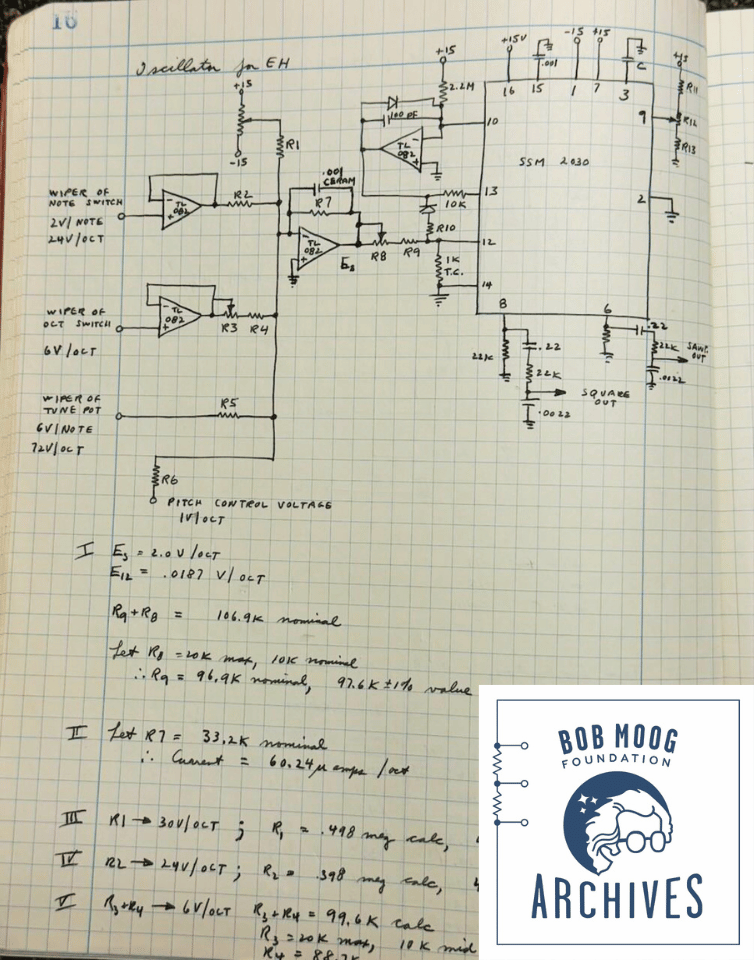
Oscillator design schematic for Eddie Harris:
By the way, for more on Eddie Harris and Moog, you’ll find a whole page and more images and the breadboarded attachment Bob made for the groundbreaking composer/saxaphonist/keyboardist:
You don’t have to be inMusic to help support the Moog Foundation’s work, which includes not just the archive but also the Moogseum, Dr. Bob’s SoundSchool, and all the research, education, and advocacy the institution does. You can volunteer if you’re in the Asheville area. And you can donate, with memberships starting at $50 — but even $10 provides a couple of lessons for a student.
It’s a beacon for science and curiosity, and removing barriers to access to that knowledge. After all, Bob Moog’s own entry into engineering came from a public school in the Bronx and printed instructions to make a Theremin out of Electronics World.
Looking at this treasure trove from the past, imagine what could be in the future.