The exquisite collaboration of Lawrence Sammour, Sary Moussa, and Abed Kobeissy, Bethlehem, is released this month. And it has become a rich sanctuary, a shared space that refuses erasure or fragmentation. It also refuses to obey the boundaries of colonialism and occupation, weaving together what was pulled apart, as taut and resonant as the strings of the buzuq.
Maybe that’s the first thing to say. Bethlehem sounds close and live — like you’ve positioned your head, craned precisely, in the center of a stage performance. But the work was born in impossibility. In this world of wars and occupations and passports and visas, the music community is a labyrinth of inequity. The Palestinian artists can’t join the Lebanese artists. Our supposedly modern age has restrictions a contemporary of the Council of Nicaea would likely find baffling.
The first live performances were played remotely, as I covered here at the time. When the musicians gathered for a performance at Le Guess Who? in Utrecht, they were meeting for the first time.
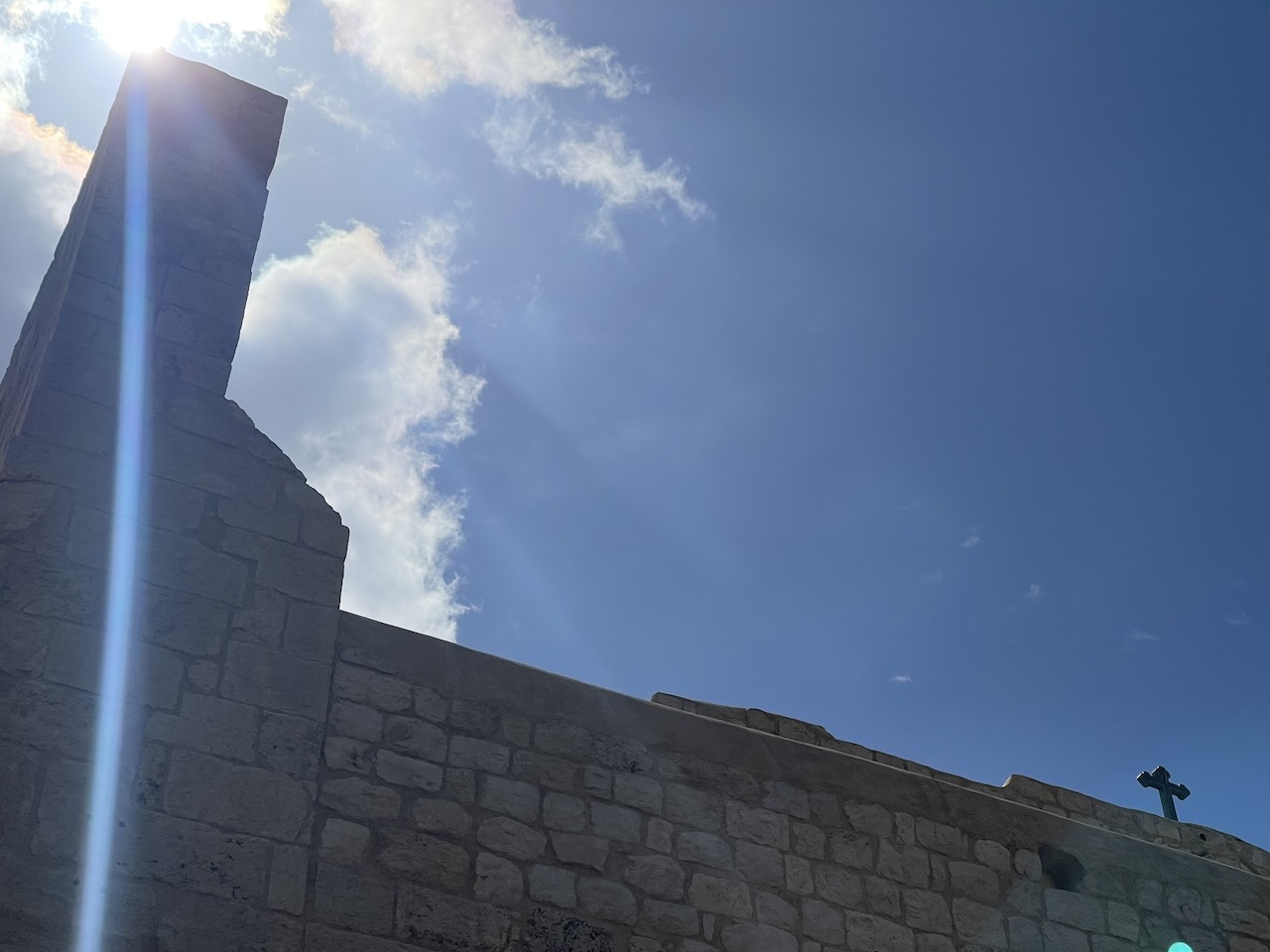
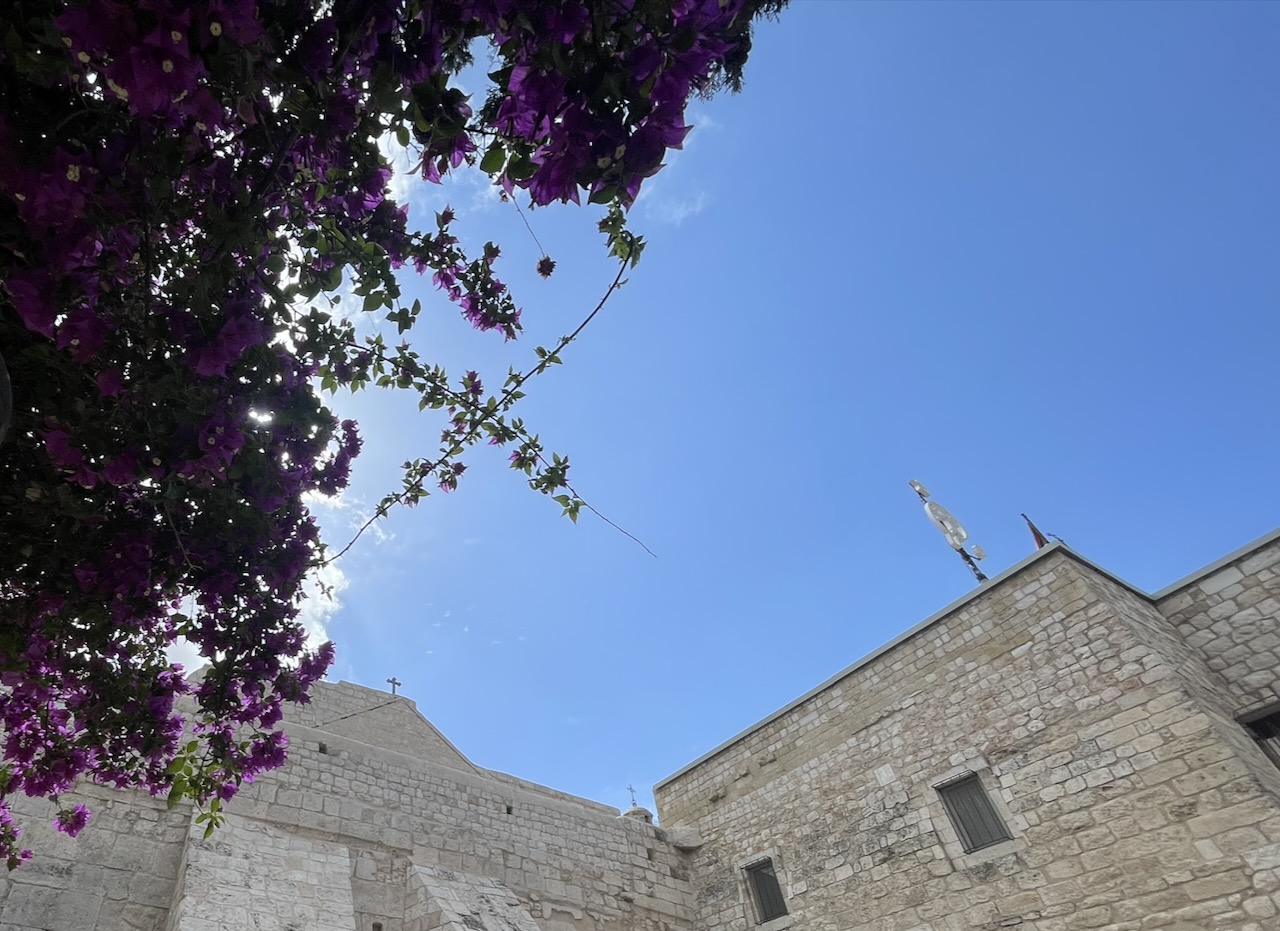
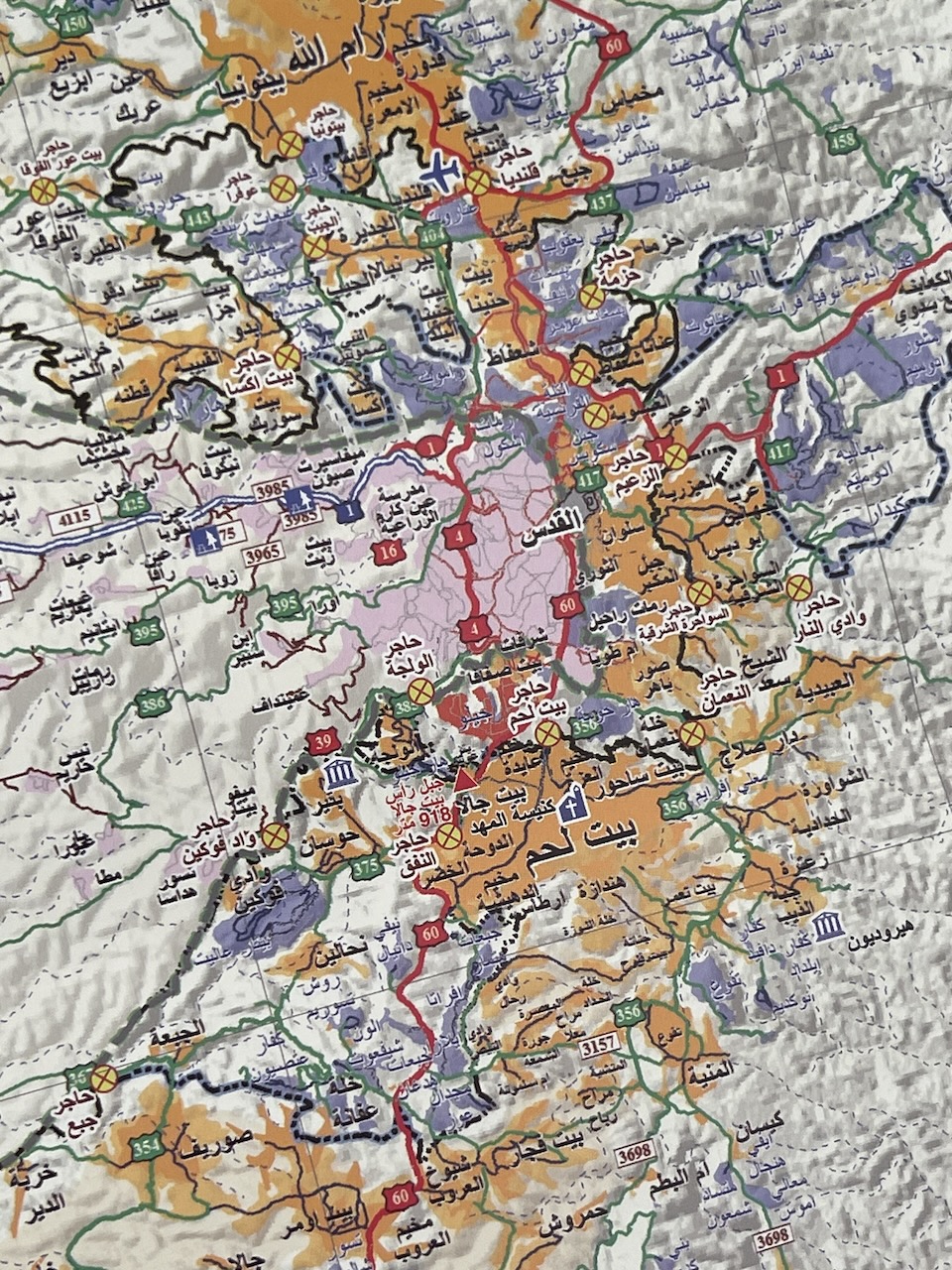
So you can trace Bethlehem through its iterations. On side A of the album, Sary Moussa and Abed Kobeissy recorded themselves in the West Bank. Lawrence Sammour, the Church of the Nativity’s choir director since 1970, recorded in Bethlehem at Wonder Cabinet with the help of Ibrahim Owais and Yousef Anastas, in the heart of the occupied West Bank, Palestine.
Side B takes you to Beirut’s Dar El Nimer, a space shuttered this year by the ongoing war, as recorded by Beirut sound luminary Joy Moughanni. And other parts are taken from downtown’s wonderful Metro Al-Madina, recorded during the Beirut & Beyond International Music Festival. (Despite the ongoing Israeli targeting of its airport and the threat that the country will break into pieces internally, it seems Lebanon defiantly looks out to the world, returning our gaze back.)
Bethlehem oscillates between delicate, solemnly intimate moments and sonorous expanses like “Khatima II خَاتِمَة ٢” which crests and swells like the sea. It’s hard not to choke up, unsettling tones of the instrumentalists and the power and mournfulness of Lawrence Sammour’s voice — a moment in time, an inflection point in genocide, but an eternal pain.
It’s significant that this work is not “traditional” in a narrow sense. Quivering electronic textures and drones, stuttering delays, repeat and co-mingle with liturgical hymns. The end of one is the beginning of the other, and all back again. The hymn melodies unfold into more dissonant, ringing tones, extending the traditional modal structures into some expanded language. It holds some special meaning for me, having grown up in the Orthodox church on the other side of the ocean, because this folds my own musical experience between childhood and adult life. It’s a song of innocence and experience, but in counterpoint. And the liturgical fragments sound not just as I remember them, but as I feel remembering them. I don’t want to take my own privilege for granted for even a moment. I can talk to family members who I think belong in the Church of the Nativity far more than I do who can’t set foot there.
But I appreciate that the text uses the word communion. Our moment in history demands we come to terms with that concept — not in the Christian sense, or any sectarian sense, but begging the question of what space our music creates, and how it can be shared.
Elias and Yousef Anastas just won the 2026 Berlin Art Prize; they’re the architects of Wonder Cabinet, where portions of this were recorded (and where Radio alHara broadcasts). They spoke at some length about what materials and stone mean, but also about architecture as activity. Maybe it’s a spirit that’s sometimes absent in this capital of fortress Europe — the idea that spaces are meant to invite others in. Bethlehem is that kind of space, down to its recording and narrative in this form — you feel you inhabit it from the inside.
The Church of the Nativity, for its part, can be home to Catholic, Armenian Apostolic, Coptic, Syriac (not to be confused with Syrian — don’t ask), and Ethiopian rite. Open the door, and you look into a mosque. I’ll spare you the complexity of the notion of communion in the various splinters of Christianity, but it’s open. As it happens, my Kreuzberg studio for the moment opens up to one of Berlin’s larger mosques. I hear tones and even Arabic language I grew up hearing. It’s open, in fact; you can walk in. But the music connects us, too. My grandmother used to go to synagogues with her friends, and could follow along singing just as easily as she did the Orthodox liturgy (or “In The Garden,” which she sang loudly while doing laundry, though I think that was the influence of Perry Como).
We need more than just the stones; we need these spaces to share emotional reality, to be held.
So it’s fitting to see this example a few days after talking to Abed about sending beats out of Gaza. I always thought that the one reason I don’t mind being alone making music was that if you’re making music, even feeling music, you’re never alone.
Bethlehem is out now on vinyl and digital on Montreal’s Constellation Records.
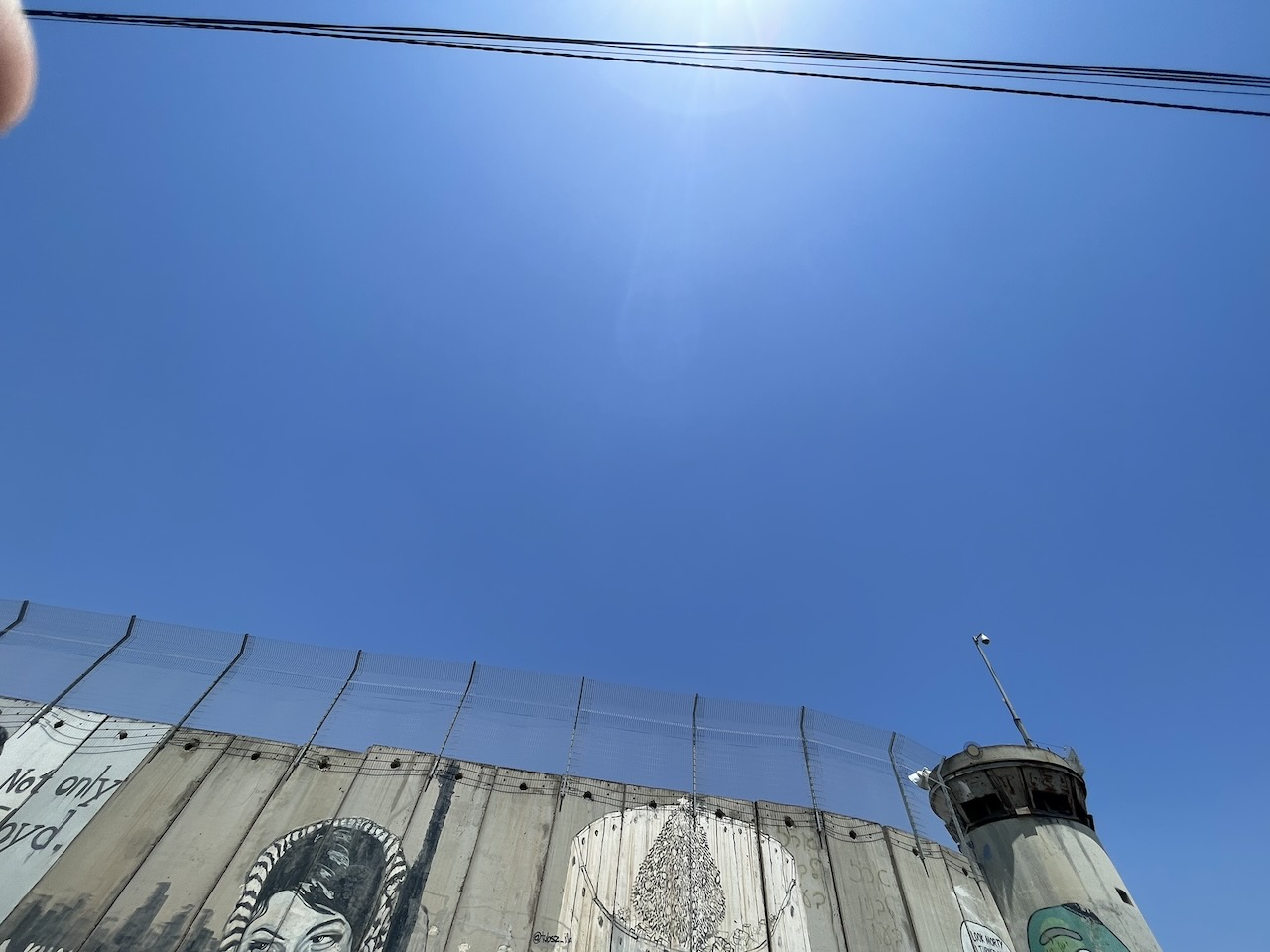
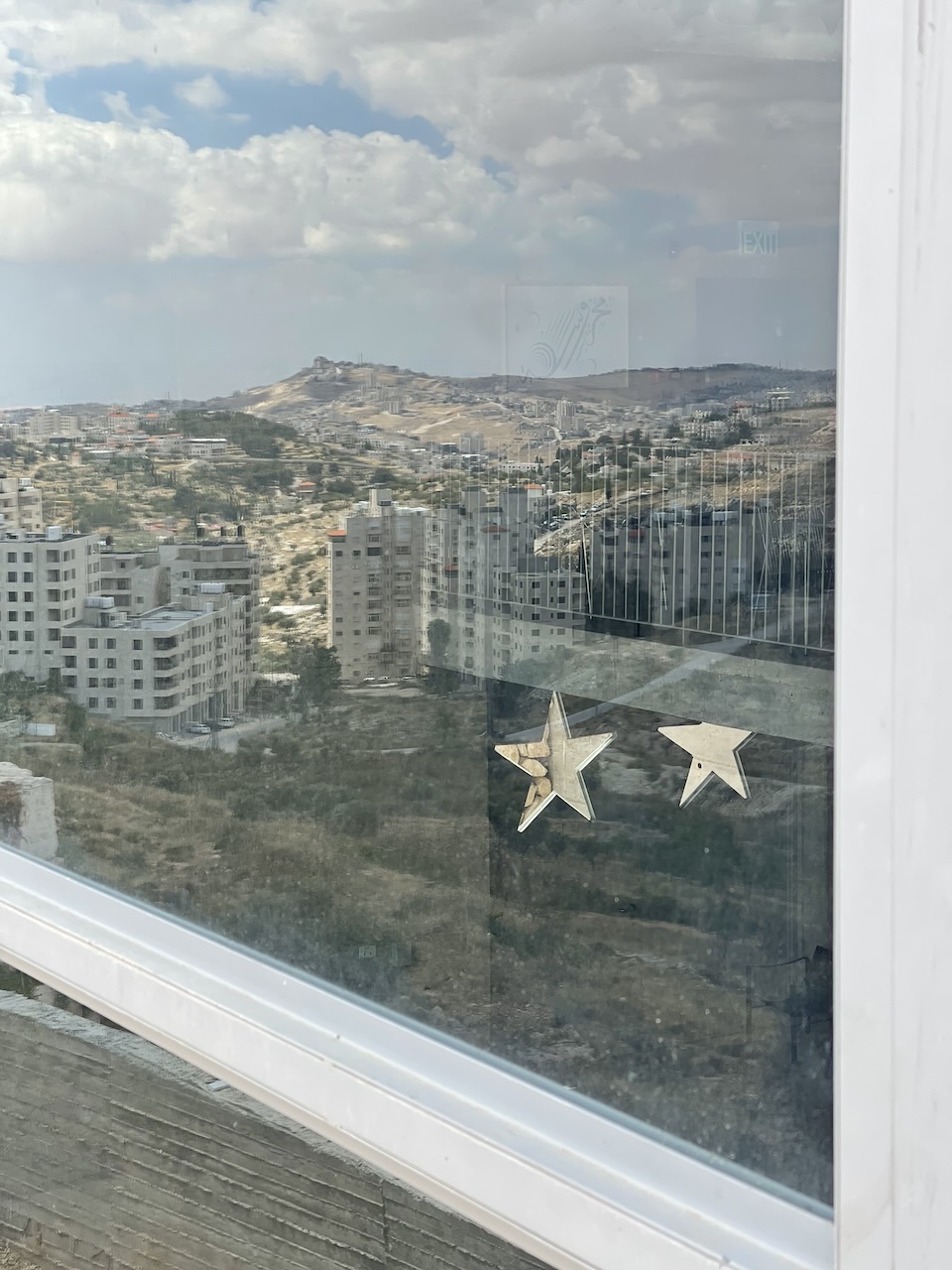
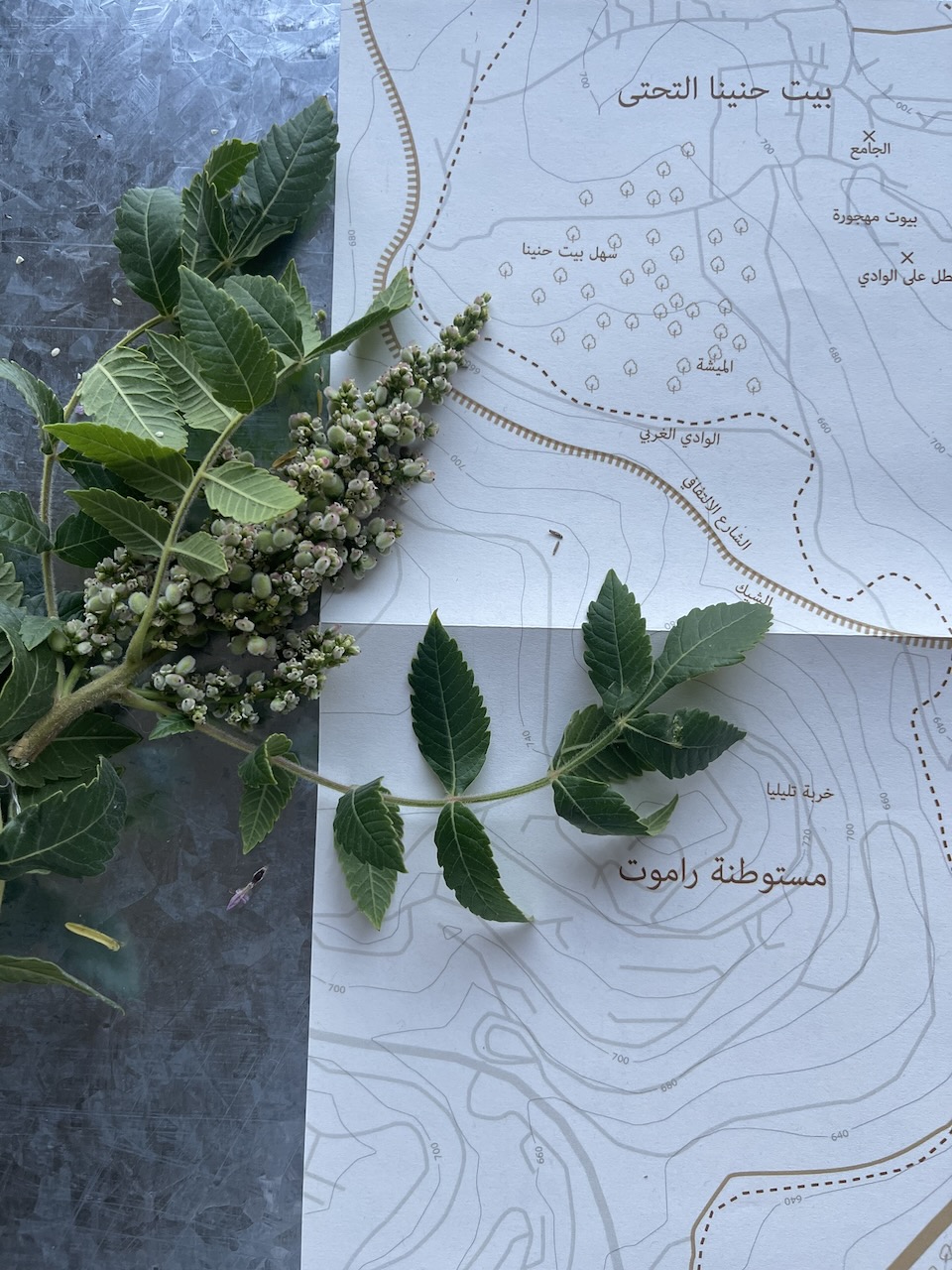
At top: album cover image by Elias Anastas. Other photos by the author; Bethlehem, May 2024; Church of the Nativity and Wonder Cabinet.
https://www.wondercabinet.space
More: https://www.architecturelab.net/wonder-cabinet-aau-anastas