
Swedish manufacturer Elektron is no longer independent; Bonnier Capital has bought a controlling stake.
Music



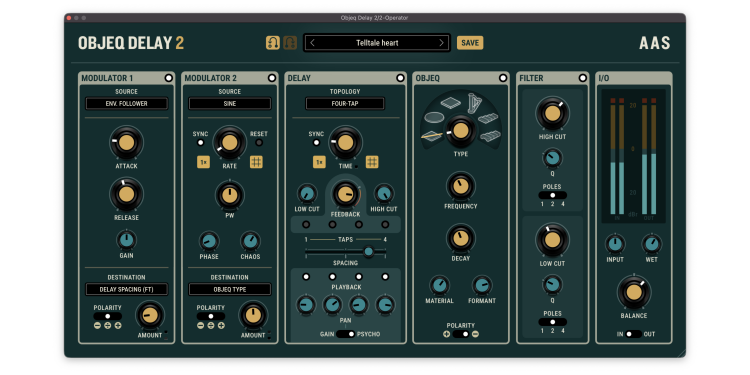
Objeq Delay 2 hands-on: AAS acoustic resonator modeling in a multi-effect
I’ll take a side order with the fixins’. Objeq Delay gives you the signature physical modeling resonator that’s the secret ingredient in AAS’ main-course instruments, but in a handy multi-effect with stereo delays and filters. Version 2 is a major update, inside and out. Here’s a breakdown of what’s new.
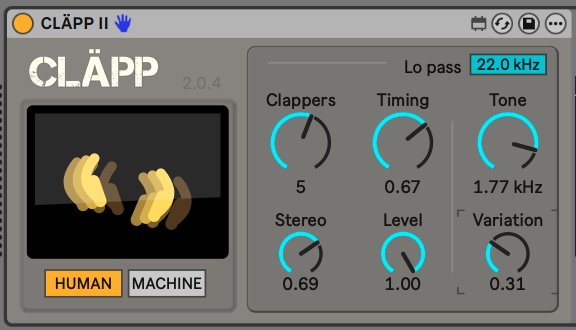
CLÄPP II from Beardyman is the perfect Ableton Live clap — and more
Crispy claps on-demand, human and machine, meet a bunch of processing and sample Device tricks in CLÄPP II. London live-looping musician extraordinaire Beardyman had an itch and scratched it using Live and Max for Live, and the results are delightful.
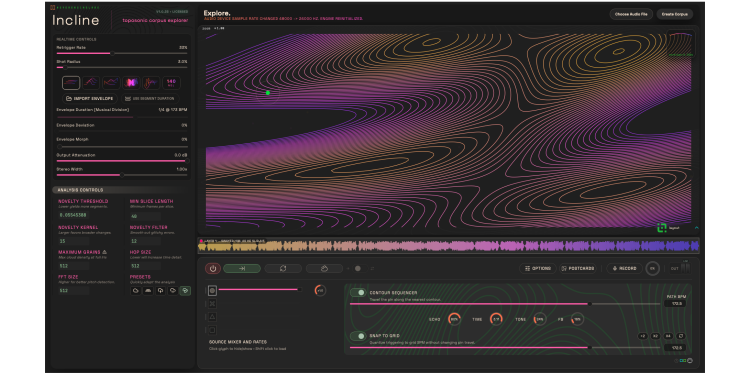
NEL Incline gets an Easter update with improved display, output quality — and echo
Your mission to investigate sonic anomalies could use a holiday boost. NeverEngine Labs’ Incline gets a significant update today, festively labeled as an “Easter egg.” Now you get internal echo in playback, high-fidelity audio output options and tweaks, and proper zoom.
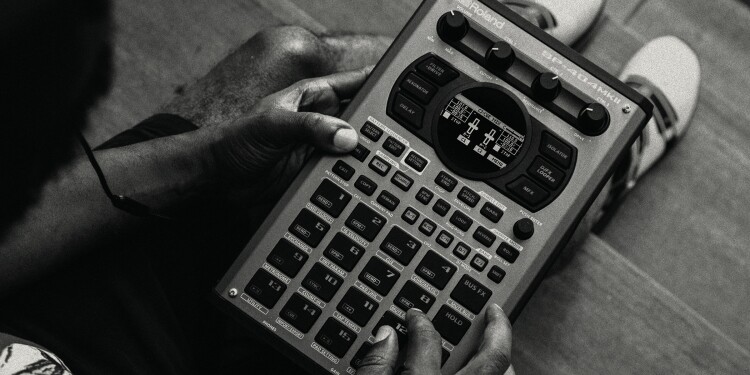
SP-404MKII side chain compression; #404day videos
SP-404MKII version 5.50 brings two long-awaited features — side chain compression and exFAT SD compatibility. Here are those details, plus a #404day round-up of the fabulous videos you’re making. #404day has come to a conclusion in Japan — but that means my feed is alive with the sound of Japanese (mostly) 404 videos! Y’all always […]
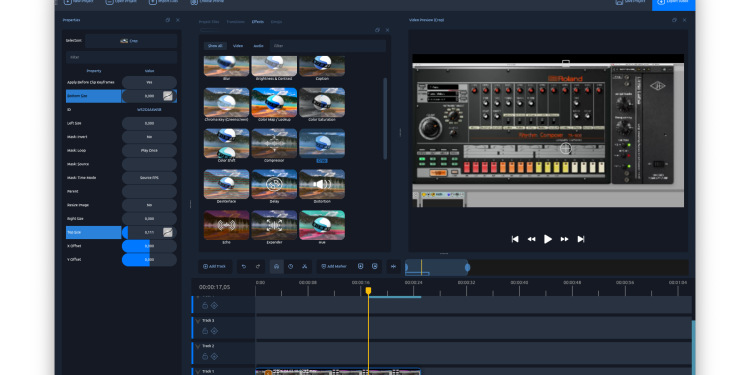
OpenShot 3.5: faster, more stable, more creative open-source video editor
OpenShot, the free and open-source video editor for macOS, Windows, and Linux, got a major update in March with version 3.5. It runs faster, handles edits and audio better — 18 years into this project, OpenShot is looking like something pretty much everyone ought to at least try. And that’s especially true if you’re experimenting with AI or cloud-based video instances.
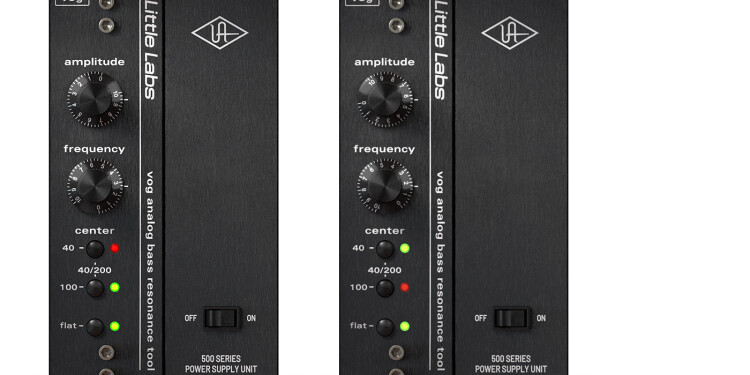
Little Labs Voice Of God Bass Resonance is now a native UA plug-in
There are tricks for getting low-end, and then there’s the Voice of God. UA’s (official) version is good as ever, and now at last, you can run it as a plug-in without any UAD hardware. We’re getting all the classics this week.
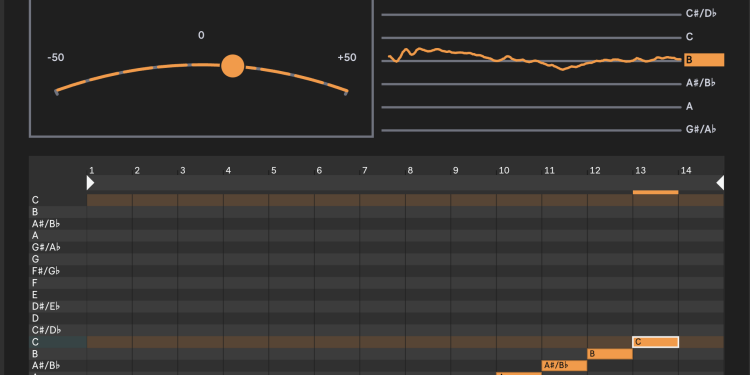
Play together with Ableton Live, pt. 1: playing in tune
Feeling the need to make music making a little less solitary? In this multi-part series, we’ll be exploring some resources for adapting Ableton Live to playing with others — playing in tune, in sync, sharing ideas, and producing together. So let’s start as instrumental ensembles do: by tuning up.
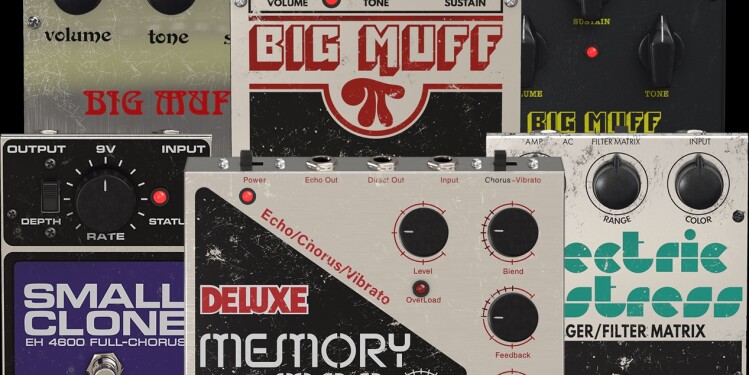
Electro-Harmonix pedal classics are now available in plug-in form
Electro-Harmonix has collaborated with plug-in maker MixWaves to bring four signature pedals to plug-in form. Big Muff, Memory Man, Electric Mistress, and Small Clone are now coming to your DAW, not just your pedalboard, individually or as a bundle.
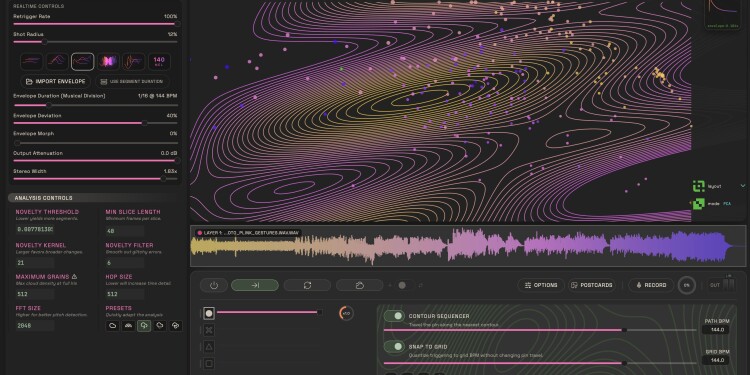
Incline, “toposonic corpus explorer,” transforms granular synthesis
Imagine granular synthesis, taken in entirely different dimensions. That’s Incline — Cristian Vogel’s cross-bred mixture of microsound and machine learning segmentation. It explodes sounds into a highly configurable topography, then applies precise envelopes, with unique rhythmic and textural results. Here’s how to explore those strange new worlds.