We’re awash with emulations at the moment, but this one is on another level. The chip that powered everything from Yamaha’s little-known CX5M computer to the best 80s FM synths and video game masterpieces gets a long-awaited (unofficial) rendition on your computer, and it’s just about perfect — both as a instrument plug-in and an ultra-authentic player for classic games. And where this emulation started was physical, not virtual: a workbench, vintage gear and documentation, research, and physical labor.
Soundtrack first (because holy s***):
Photo credits, top and throughout: Milan Viens
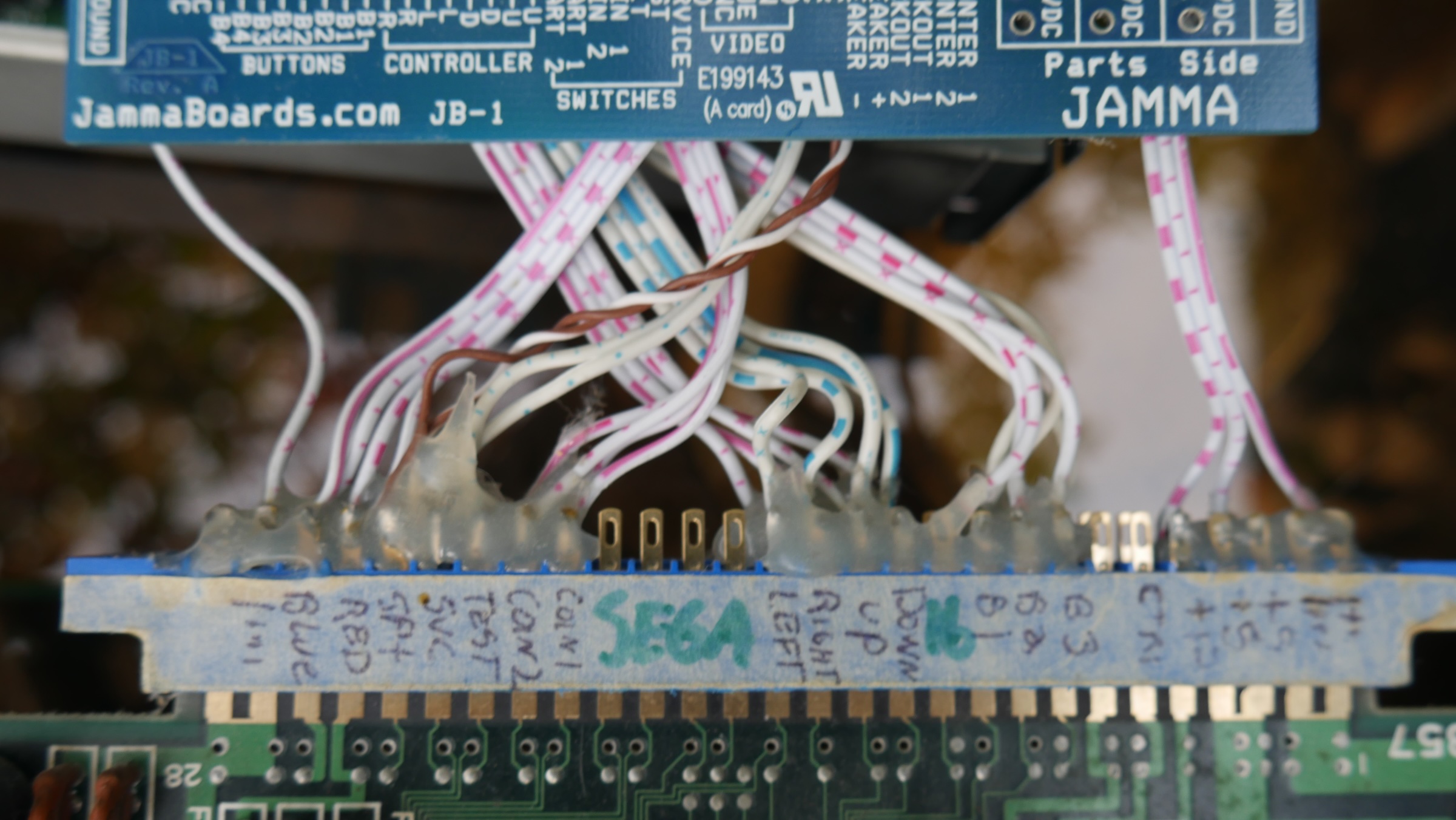
An obsessive hardware emulation
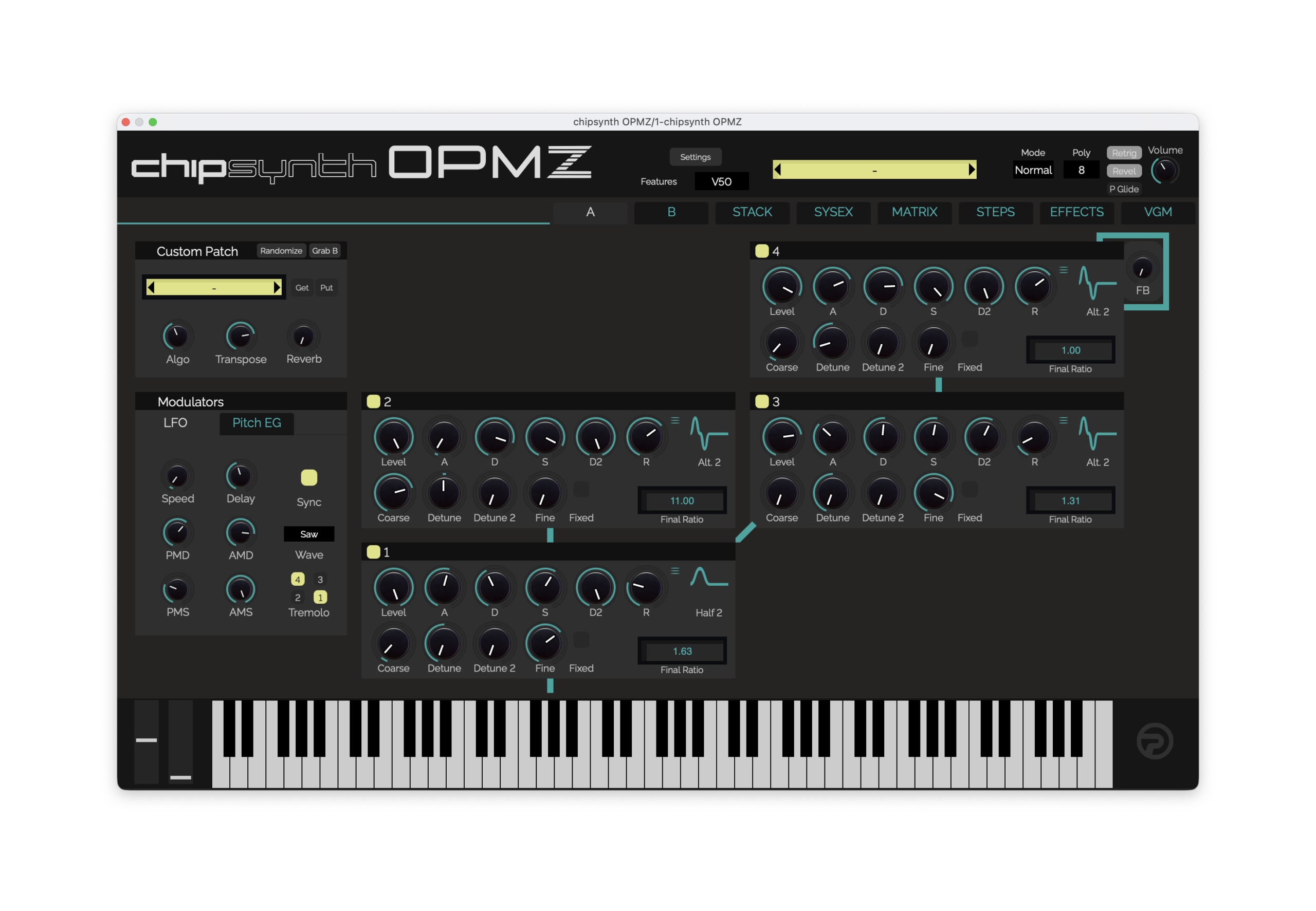
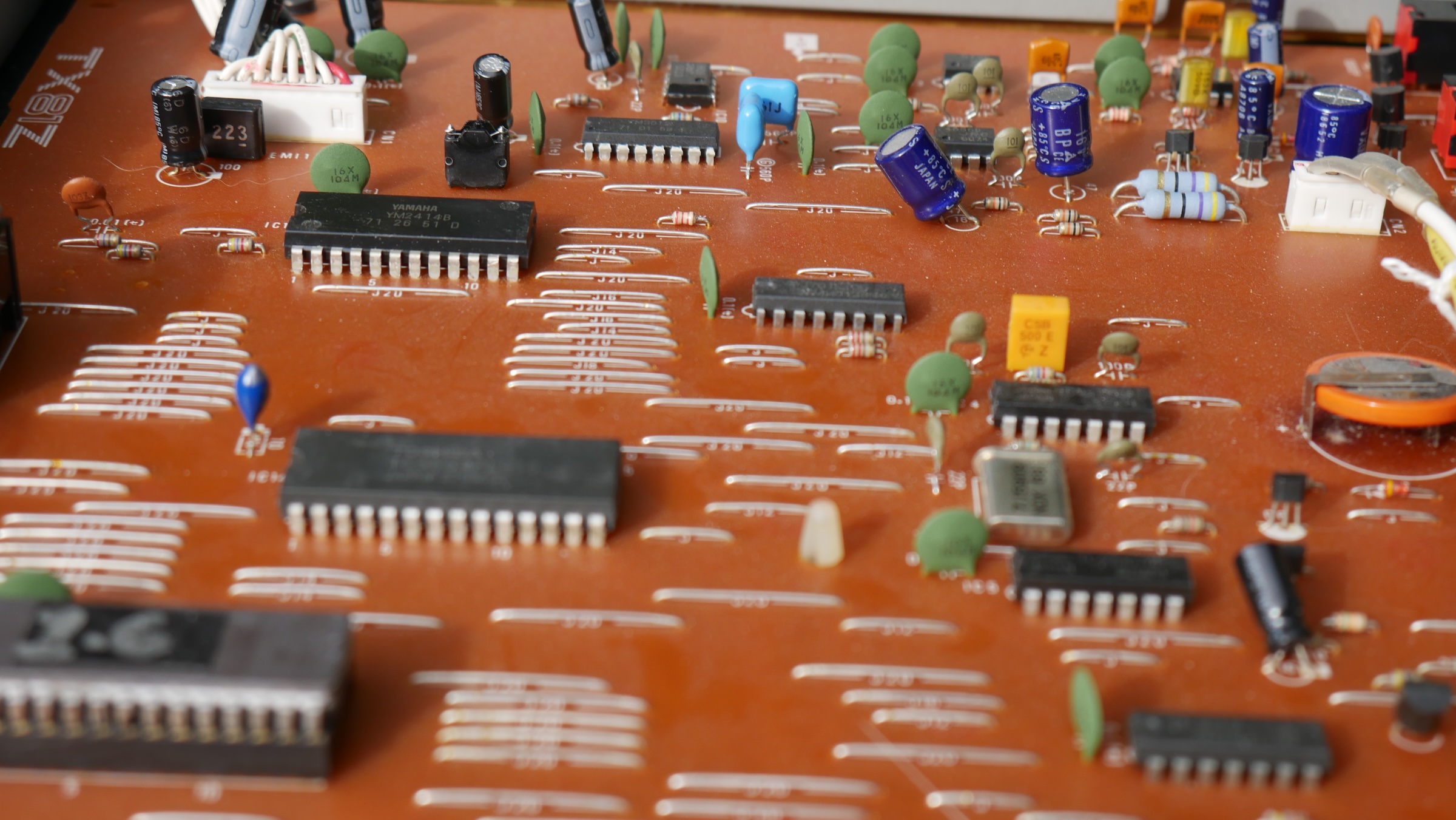
There’s so much software out there, so many things that claim to be analog modeling or digital emulation, that you can miss the importance of attention to detail. And that is to say: chipsynth OPMZ is a brilliant FM synth on its own — one that’s desirable in this generation. It is also a player that you can fire up when you want to jam out to the soundtracks from Sega’s Power Drift or many, many others, accurately recreated in all their original glory.
Yamaha’s OPP (YM2164), OPM (YM2151), and OPM (YM2414) chips were the heart of both composed game soundtracks and some beloved synths, like the DX21. The result is that the instrument and the chip music are intertwined — enough so that people like this person do play along. And you should hear that while “digital,” these FM synths have a very particular sound.
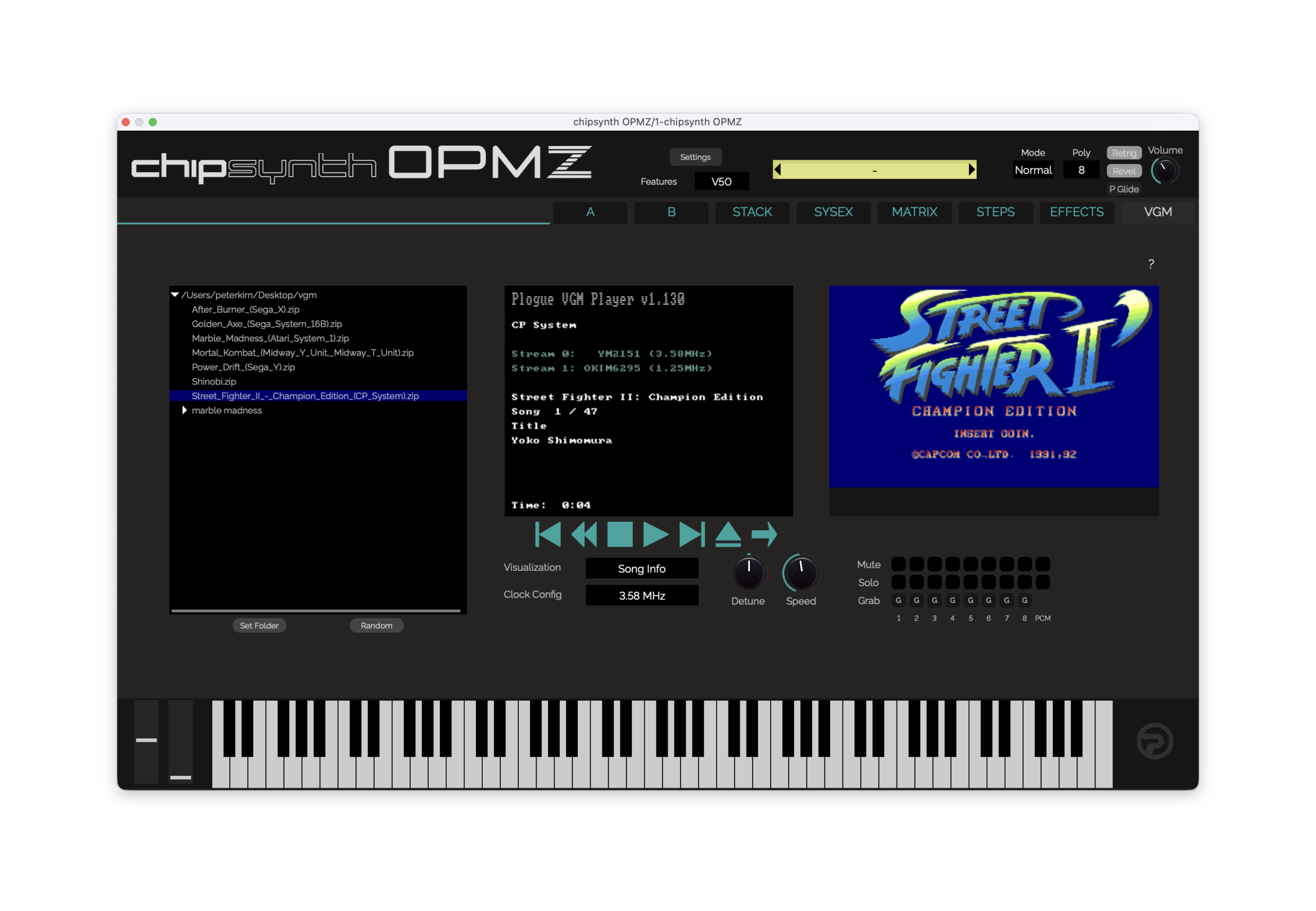
And wow, does the chip have some accolades in the game soundtrack department. Think arcade titles like Marble Madness, Shinobi, After Burner, Mortal Kombat, and Street Fighter II. (See the VGM page at top and interview below — Yoko Shimomura!) In fact, while OPMZ is a powerful synth instrument — one that holds up against today’s offerings — you might just as well fire up the player functionality here and sit back. It sounds real enough that you’d be prepared to empty your wallet of quarters.
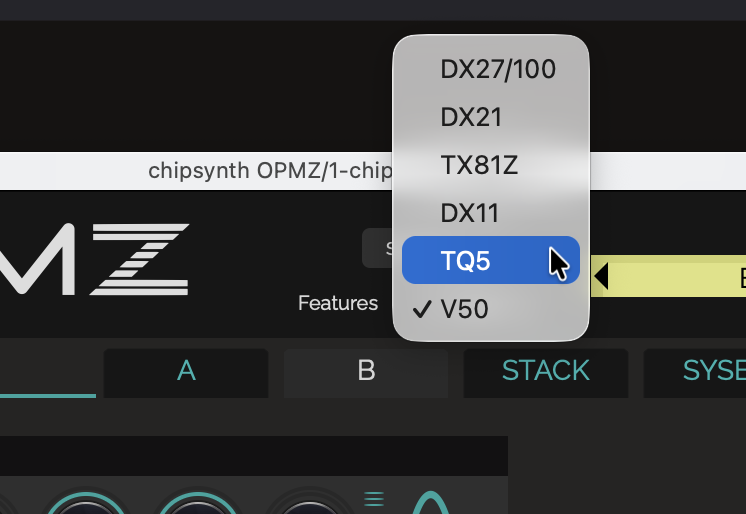
On the synth side, the OPM/OPP/OPZ’s resume is equally impressive. In addition to Yamaha’s DX100, DX21, TX81Z, and TQ5, versions of this chip wound up in collaborations with KORG, including the DS8, 707 (Korg’s 707, not the drum machine), PSR-80, PSS60, and even the Z3 guitar synth. (The TX81Z , DX11, and TQ5 used the OPZ aka YM2414, as did Korg’s guitar synth.)
Part of why authenticity matters is that — like vintage analog synthesizers — nailing the exact sound of the hardware in every nuance is what gives you the instrument.
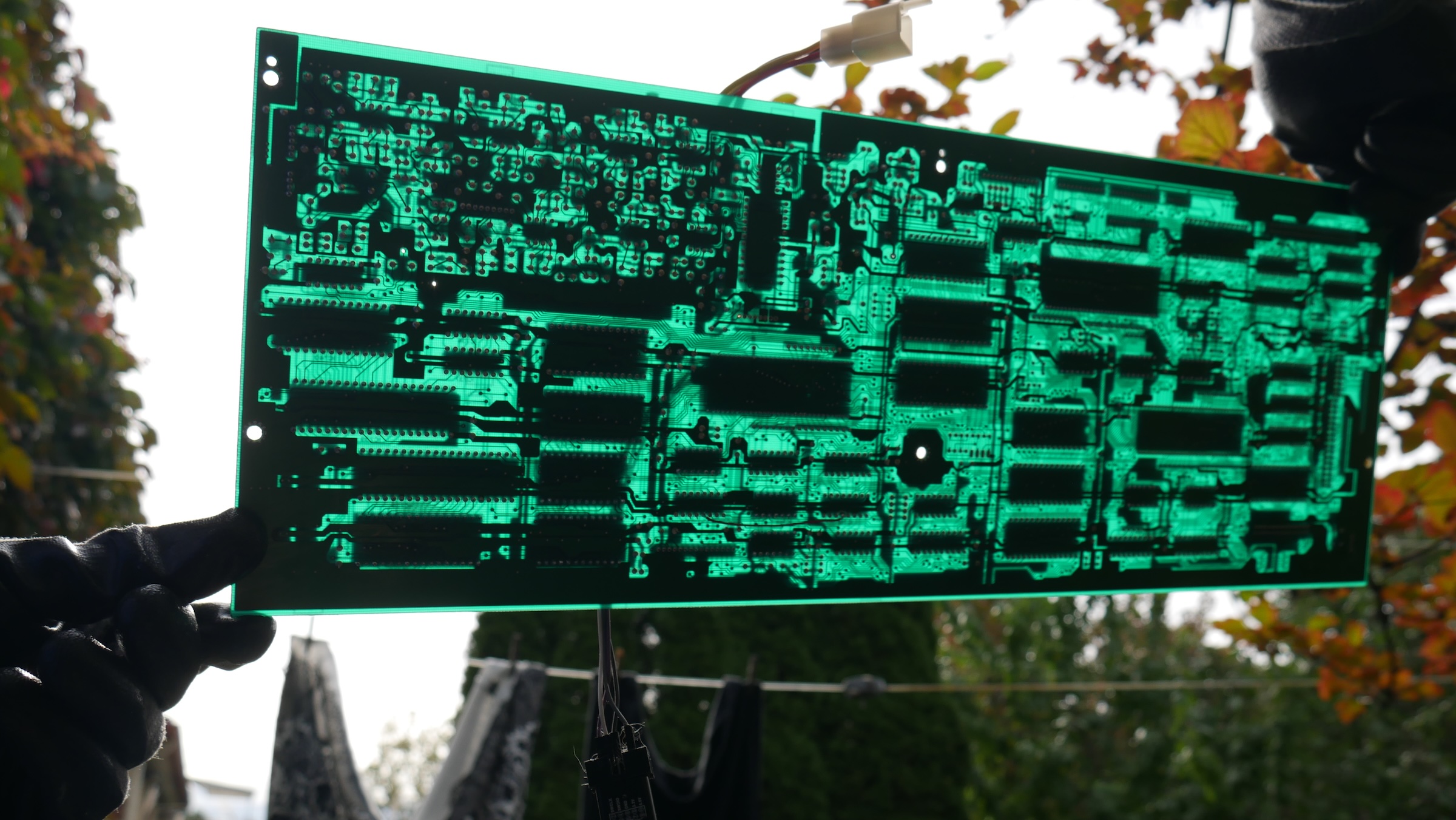
And in contrast to the AI trend — tech giants buying up and destroying vintage books — modeling hardware literally involves restoring and archiving rare instruments. Here’s to the Yamaha V50 synthesizer and its rarity, the OPZII/YM2424. (See it in the video.)
There are lots of reasons to love this particular architecture. There’s something satisfying about Yamaha’s amplitude envelopes. The character — and limitations — of the digital implementations gives you an instrument that doesn’t sound like everything, but something specific, more like an acoustic instrument. You have the weird SSG noise generator (LFSR-based), which instantly sounds like a lot of game history — partly because of its restricted capabilities. And yet with these 9-voice OPM cores, and their peculiar approach to modulation, and all the available algorithms, you get something that’s at once expansive and particular. To me it can be more musical than the open-ended semi-modular synths out there, nice as they are.
Behind the modeling
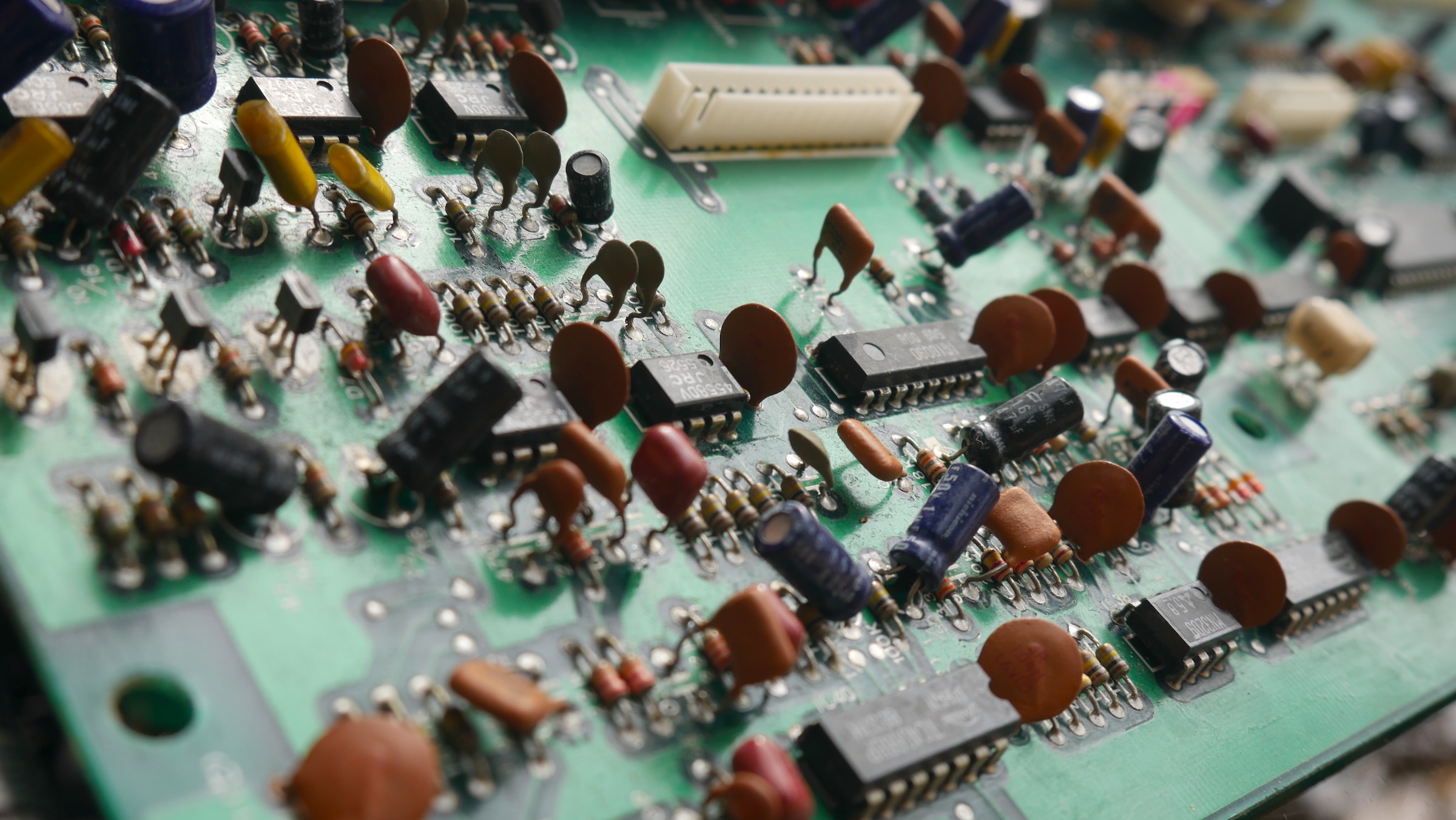
We’re talking actual science as well as art. On the science side, Plogue’s David Viens breaks down exactly which hardware he used, why it was important to have the original hardware, and goes parameter by parameter through each modeled feature. Apart from being a good guide to the insane amount of work that went into this latest chipsynth, the video is a great guide to what makes particular pieces of hardware and chip variations special — with signal graphs. (Above, the translucent board is the V50!)
Not all sines — or phase modulation — are created equal.
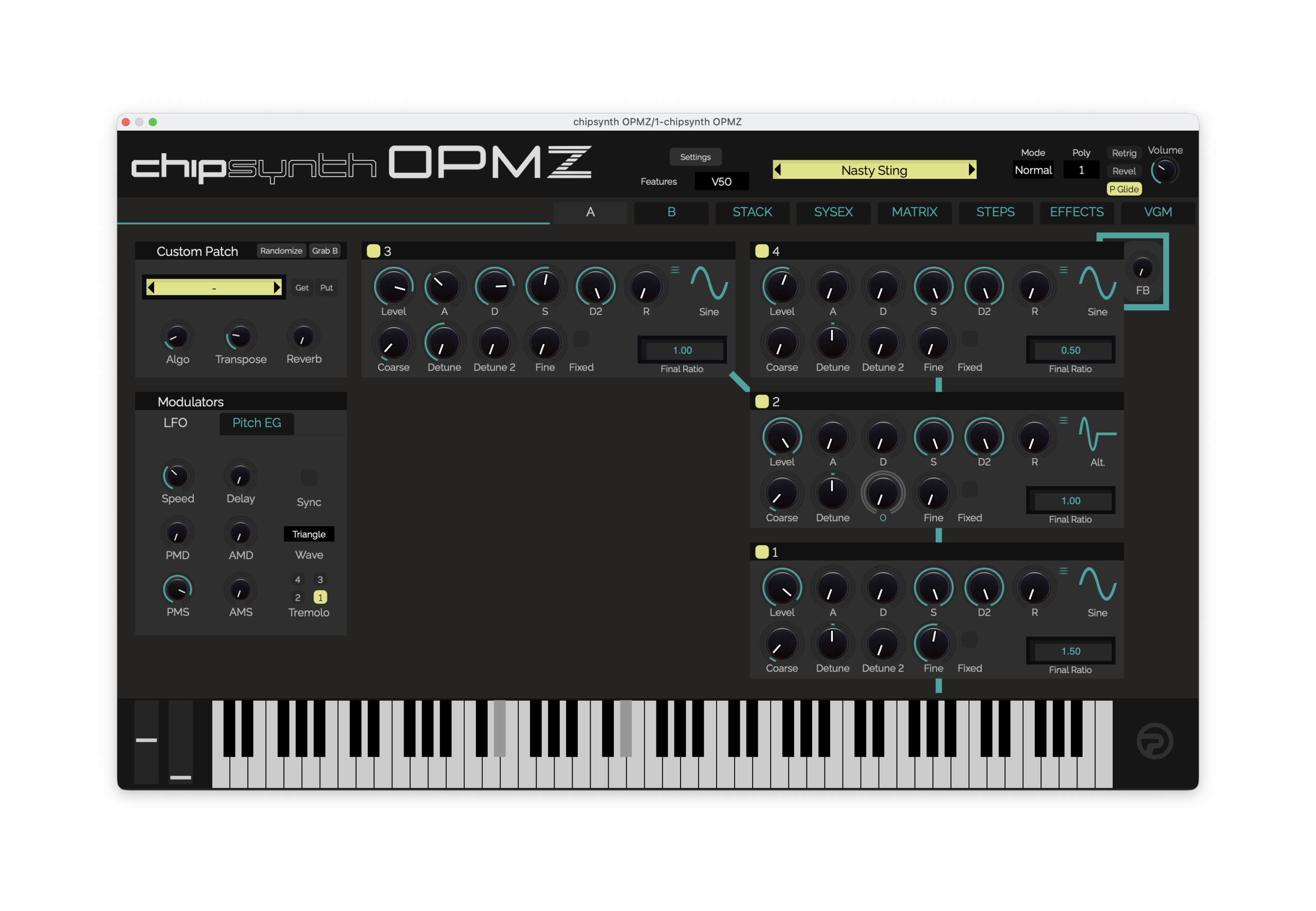
A deep software instrument
In keeping with Plogue’s history, chipsynth OPMZ is both an endlessly tweakable emulation and a powerful synth you can use even if you had little or no contact with the original gear. There’s a terrific, comprehensive bank of presets, one you’ll want to keep handy for day-to-day use.
These features are shared in a common engine across Plogue’s product range. That means the sound behavior of each is unique, but end-user functionality — like MIDI mapping, MPE, tuning, and polyphony — work consistently across Plogue’s other instruments.
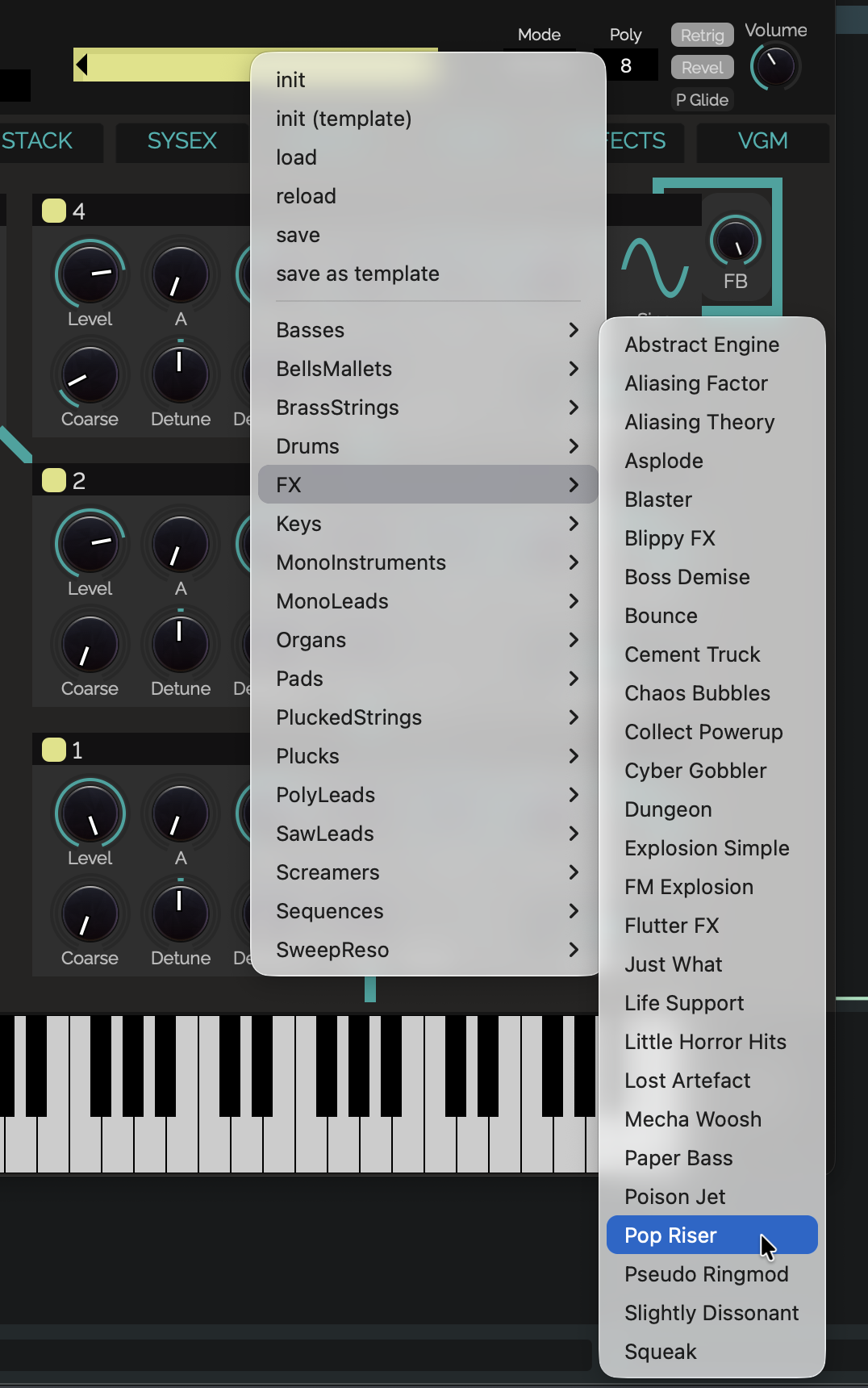
You can stack pretty sophisticated layered instruments:
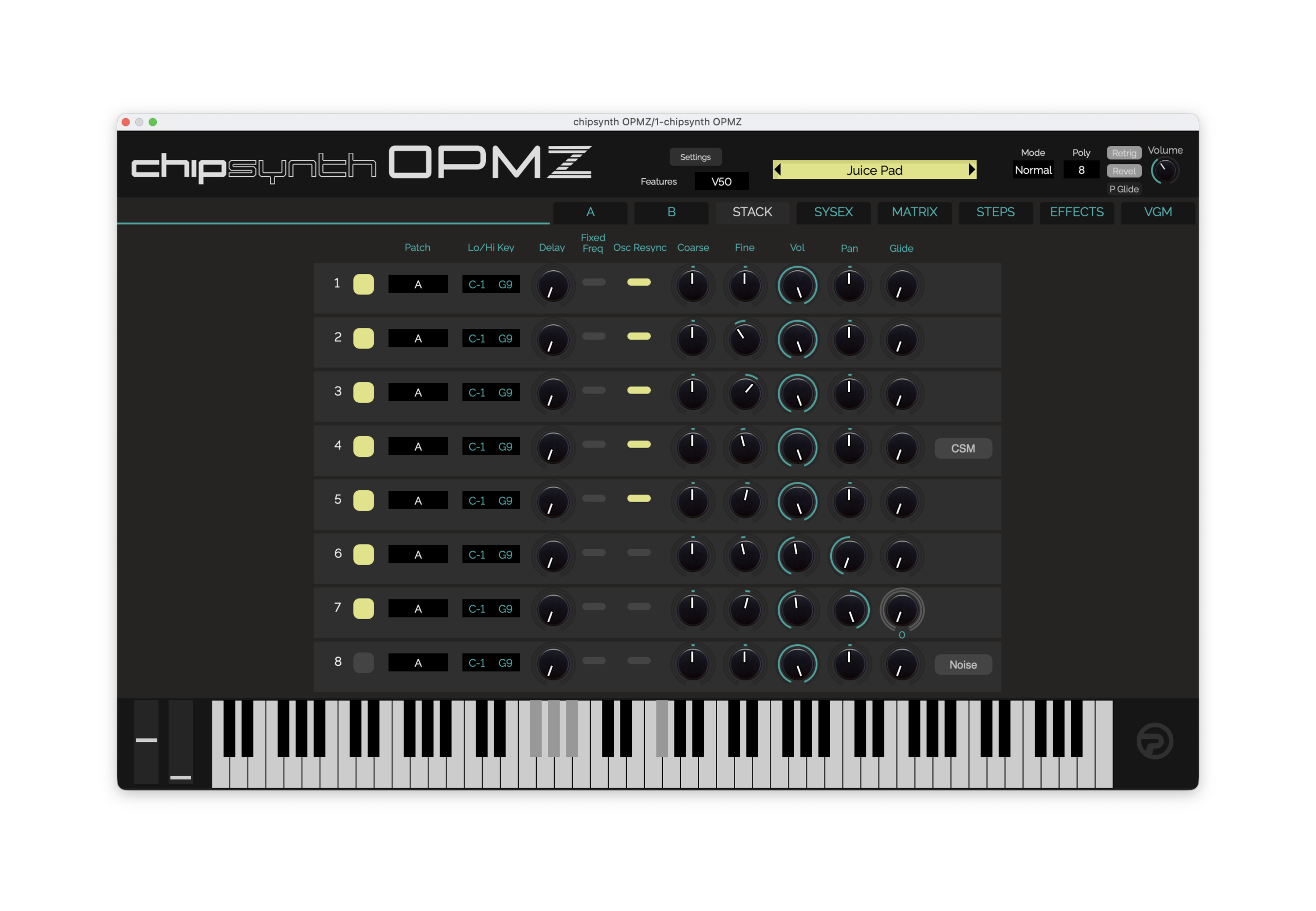
There’s a nicely balanced effects section and built-in arpeggiator:
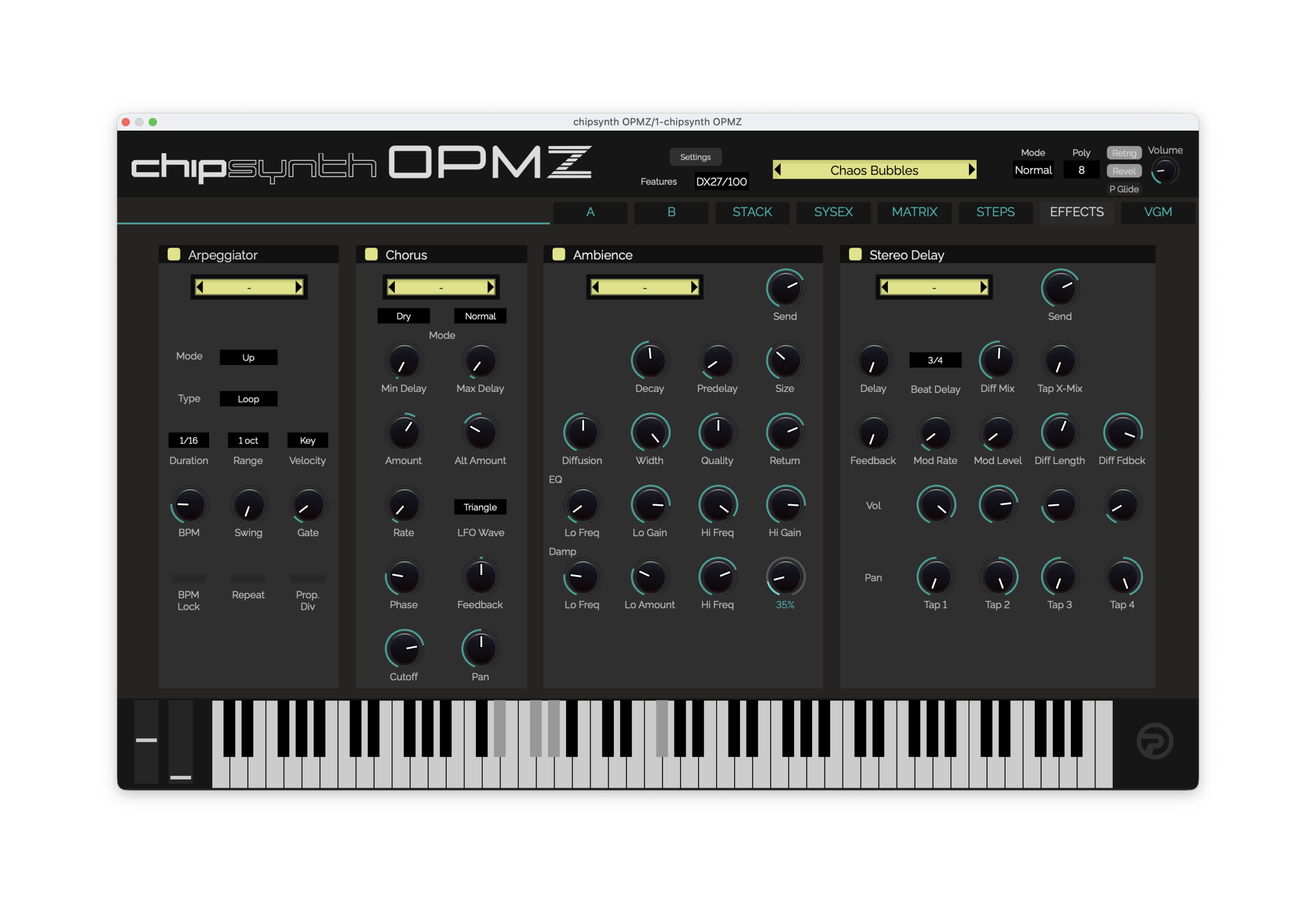
There’s a comprehensive modulation matrix:
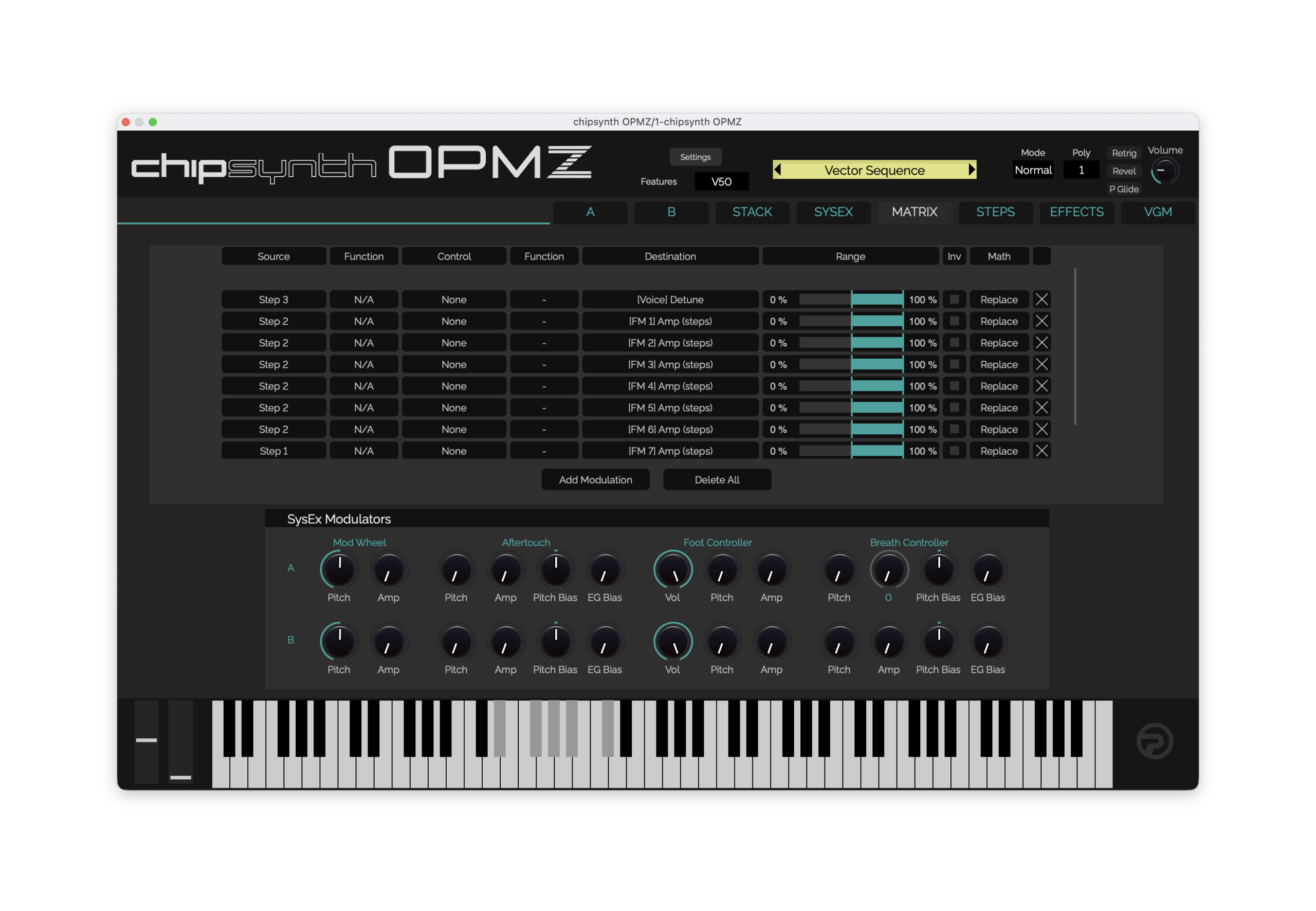
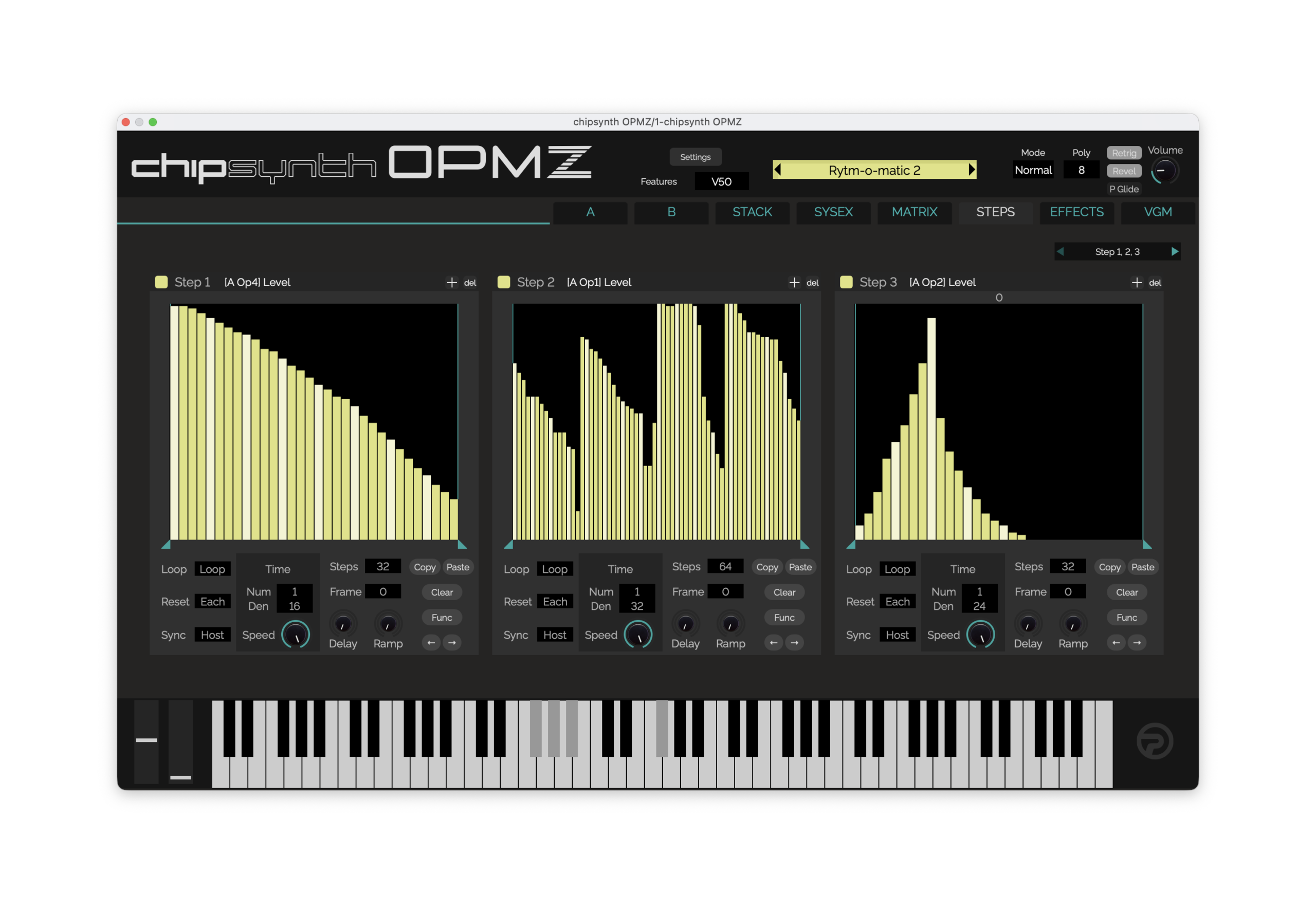
And this excellent step editor. Now you can load OPMZ into your DAW of choice, or even better, a tracker, but you can also do some quick composition in-patch like this:
OPMZ supports tuning (via Scala and MTS-ESP). MPE is available, too, though not in settings — check Mode (where it says “Normal”), upper right-hand corner.
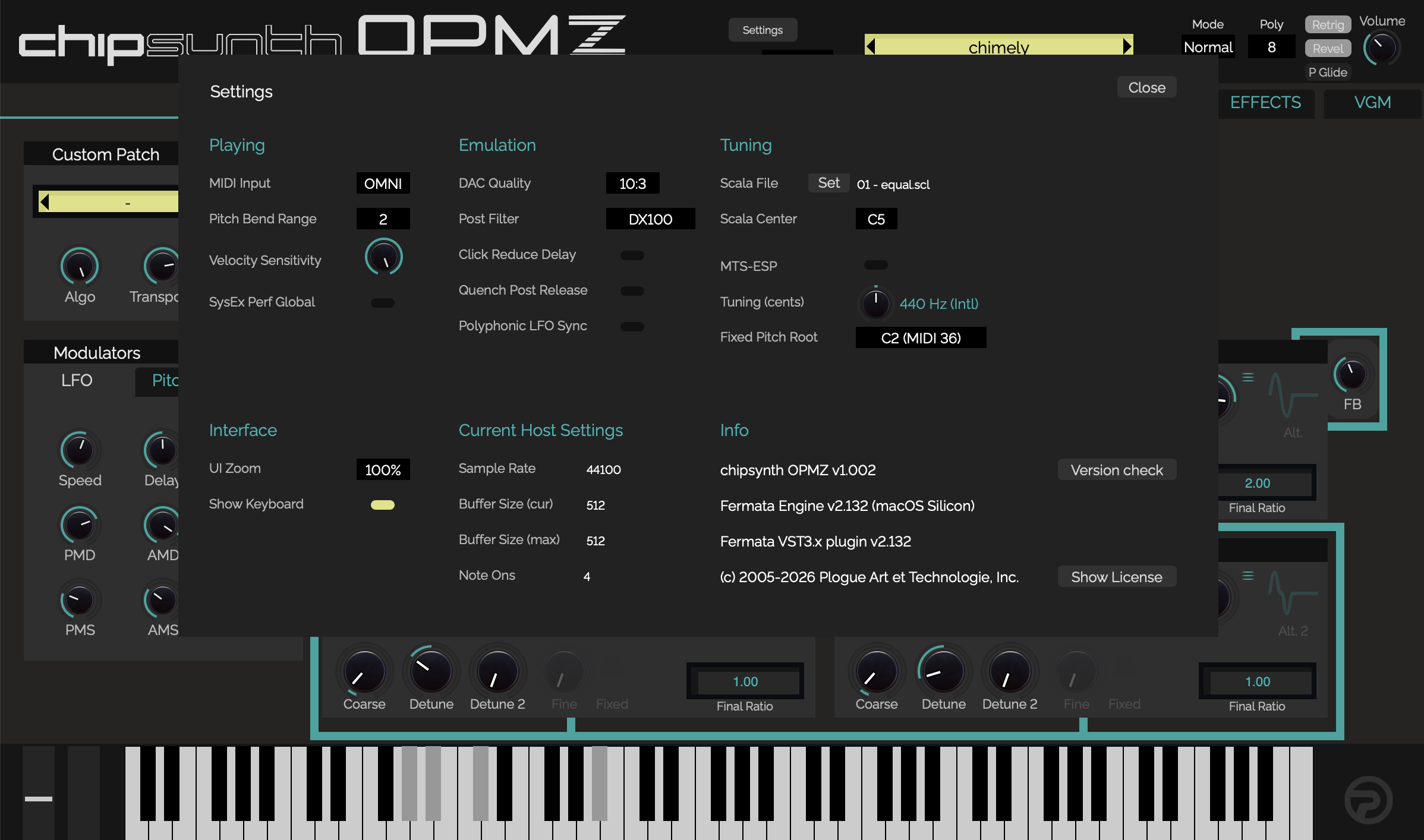
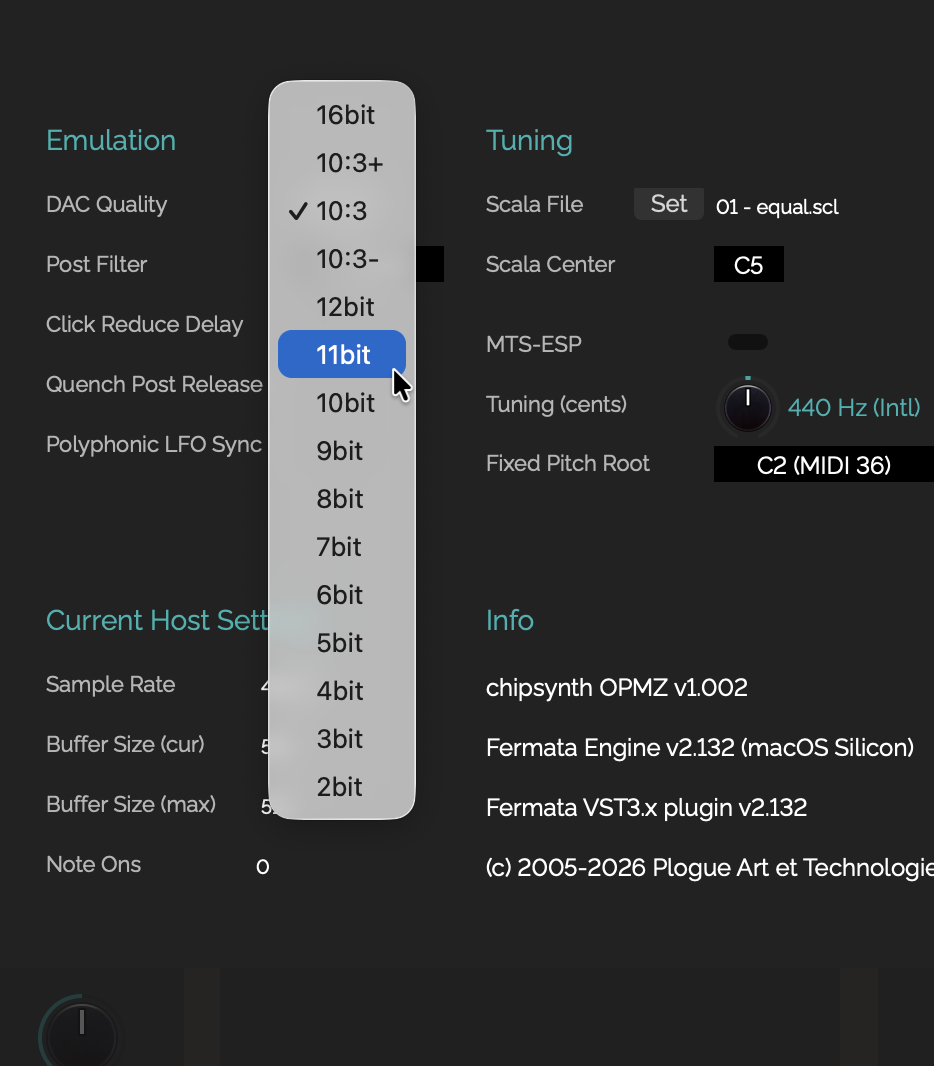
But you get extensive other options, like the ability to change the DAC setting:
You can also set the synth to behave like different models, though — watch the video with David, as that will sometimes disable certain useful features! (Historical accuracy, though! And… you can be like me and just try things without knowing what you’re doing. Always.)
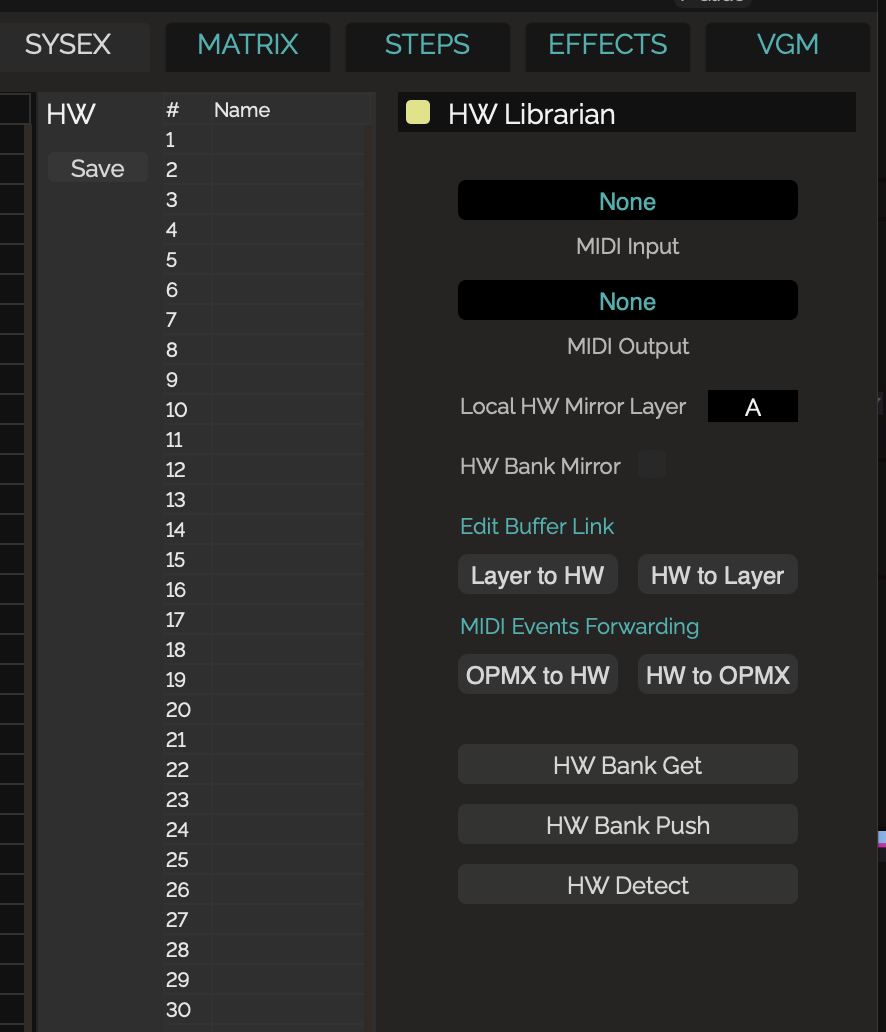
If you do own the hardware, the plug-in even operates as a hardware librarian with SysEx support, because why not?
And it’s a player
As with Plogue’s MD, PortaFM, SFC (SNES), and C64, you can use chipsynth OPMZ as a video game soundtrack player.
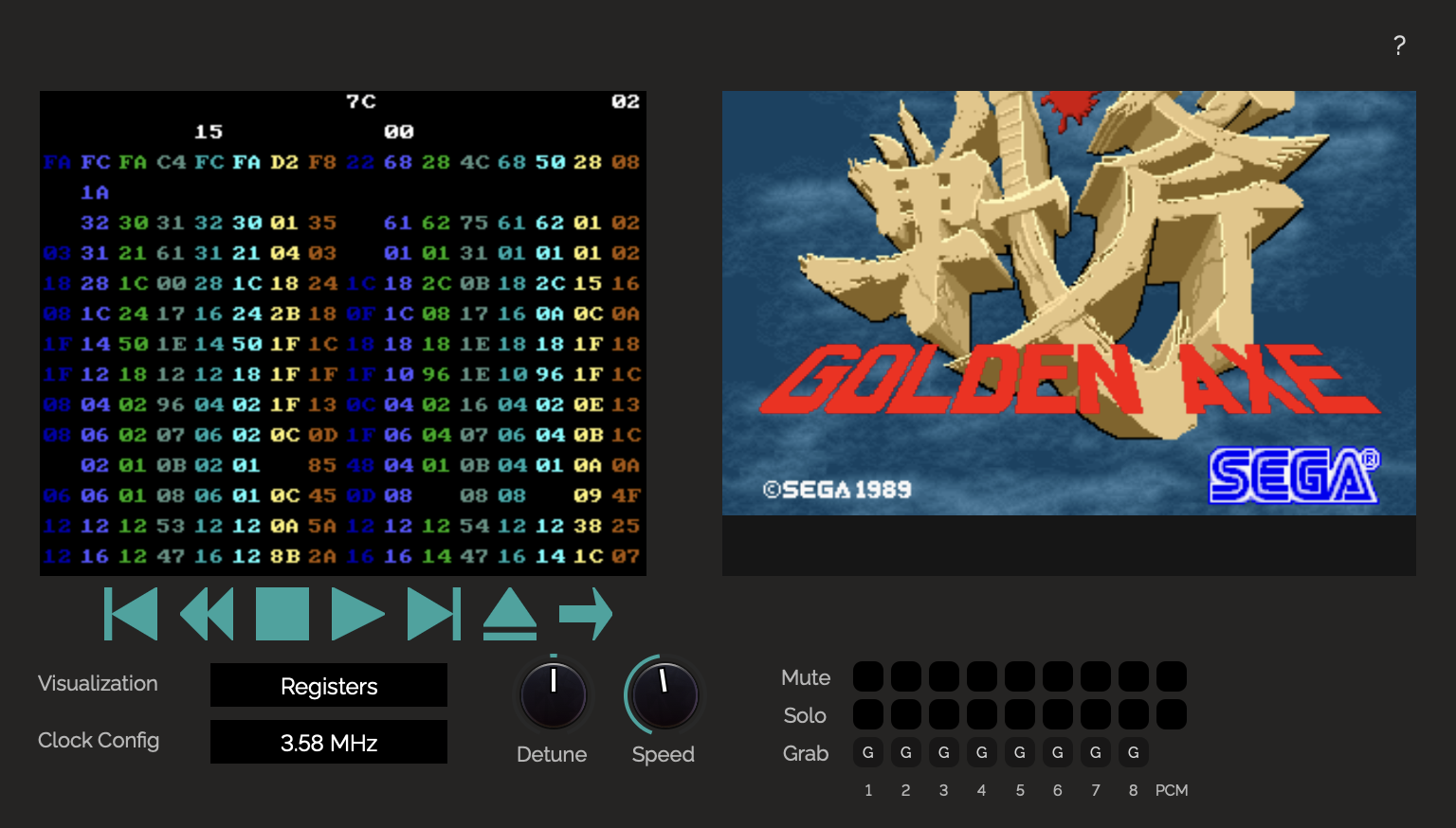
Just as with .mod files, there’s an entire universe out there of classic game soundtracks in “VGM” format. You can load up the chipsynth OPMZ standalone (or the plug-in, if you choose) and just use it as a player for all those soundtracks. I’m not going to link to them directly because I’ve had enough experiences with lawyers in Germany, but … they’re easy to find. Just one trick: download the full zip file if you want the whole soundtrack (including artwork), and do not unzip it. Then locate them in a folder, and chipsynth will play them.
The most enjoyable way to do that is to choose “Registers” under the Visualization menu, which gives you this:
Yes, Yamaha made a computer
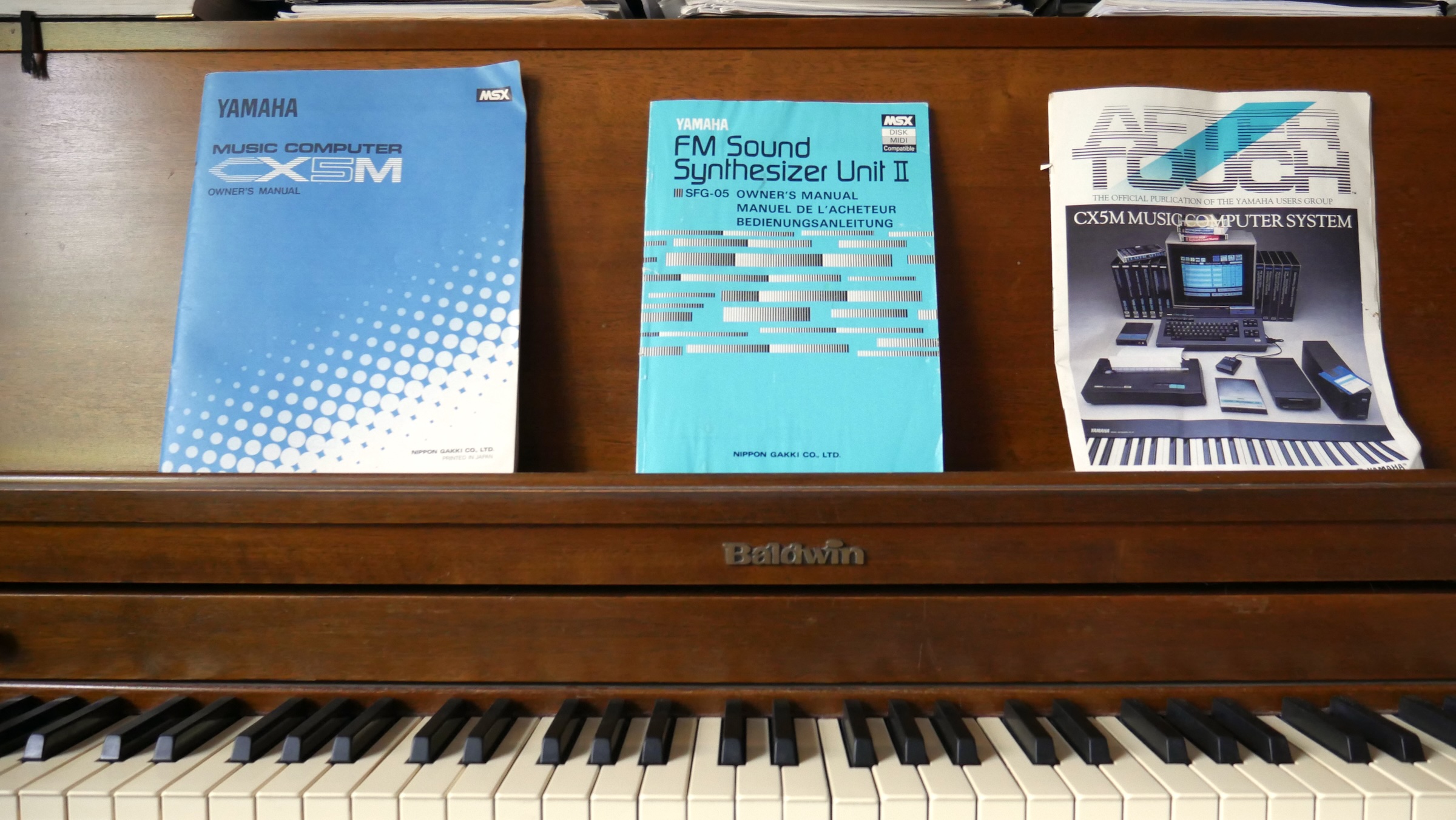
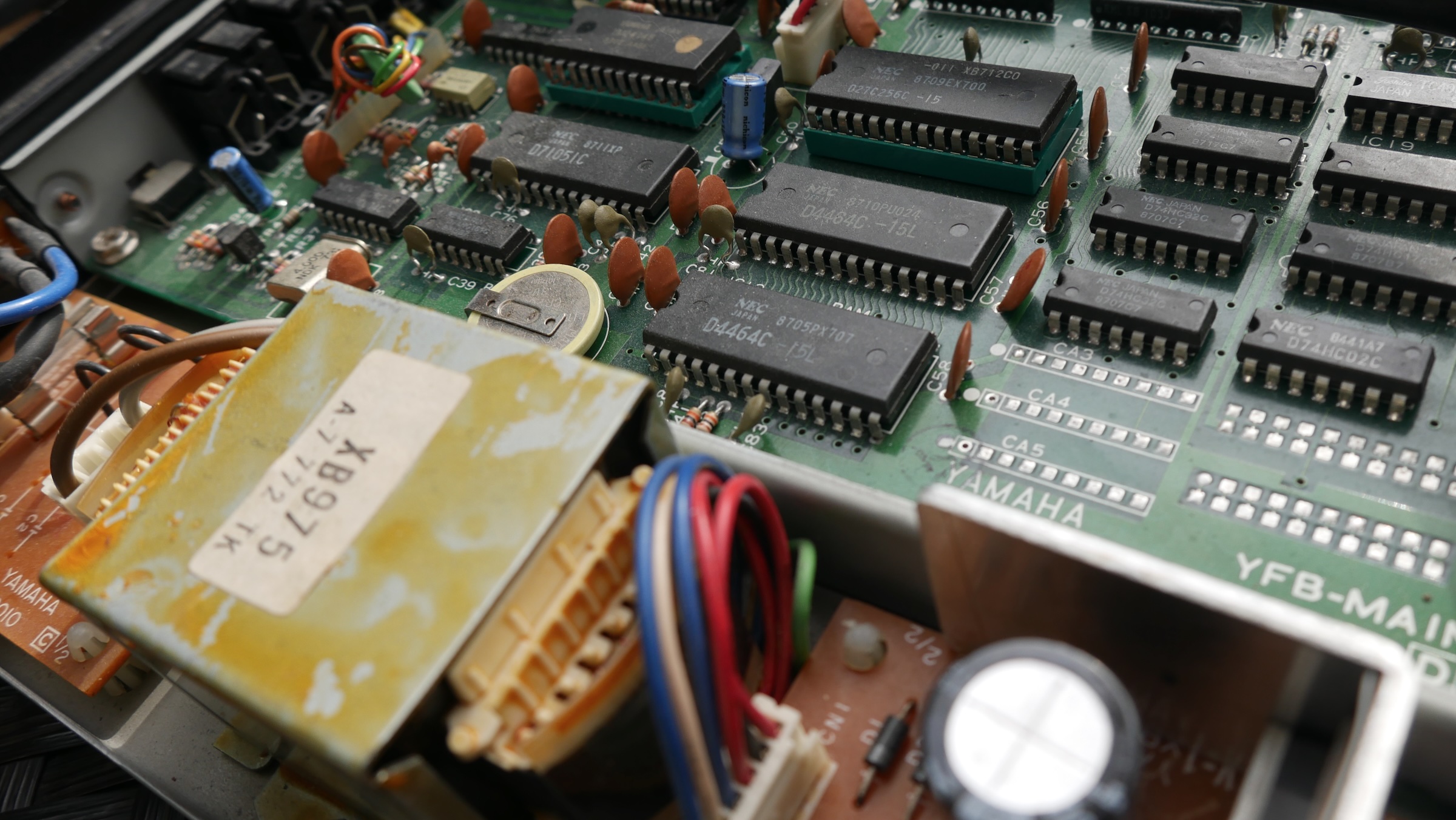
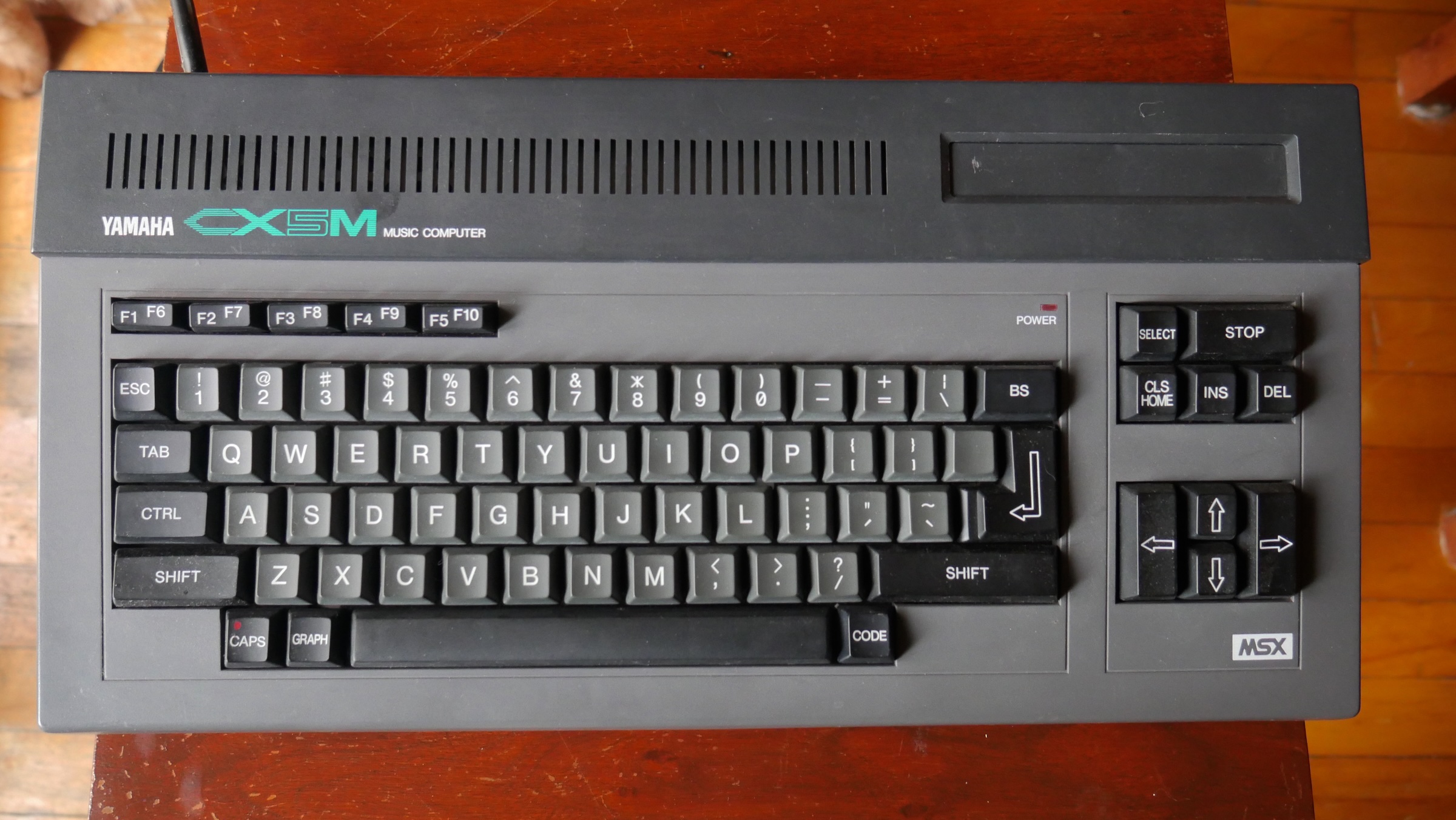
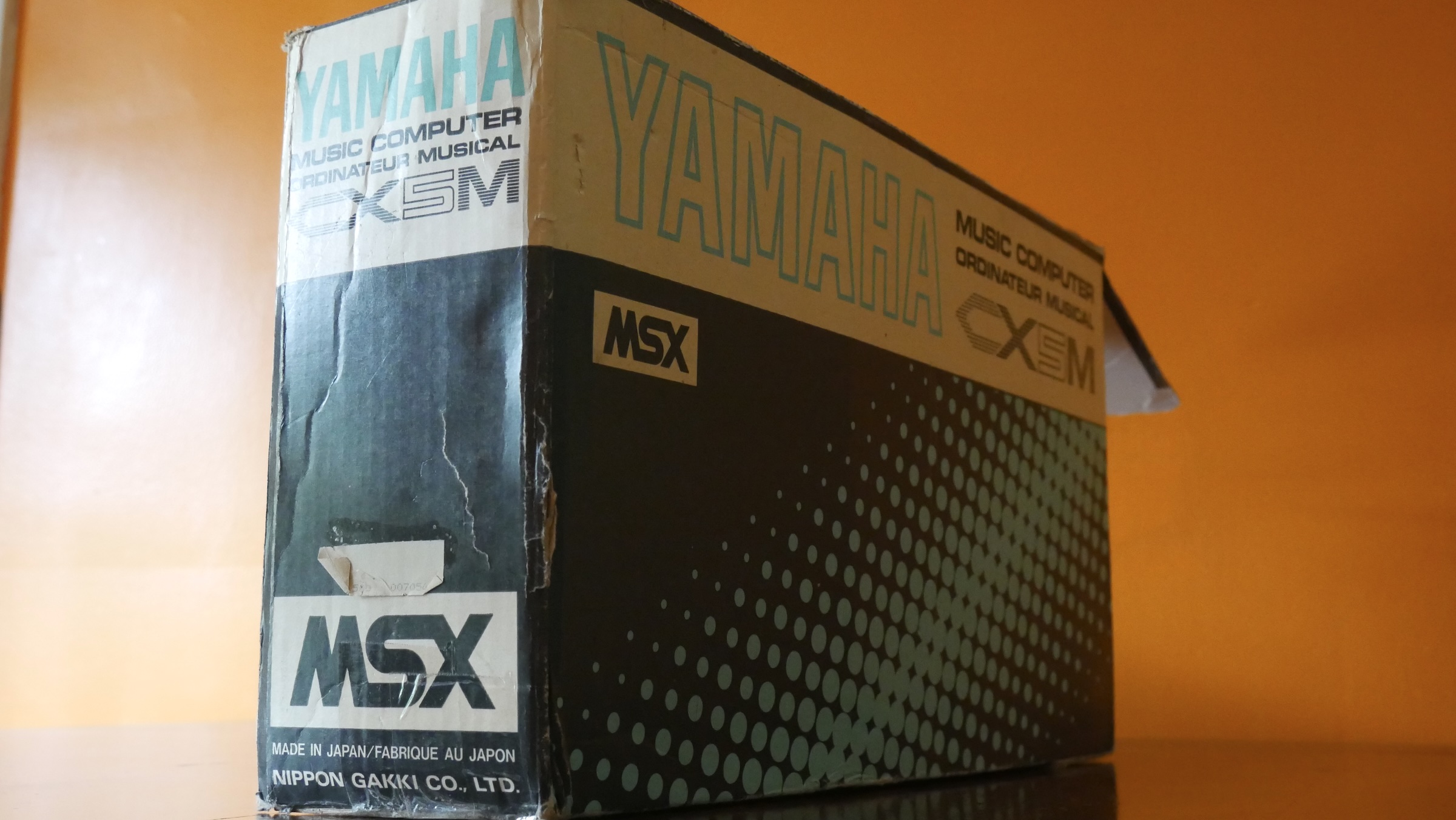
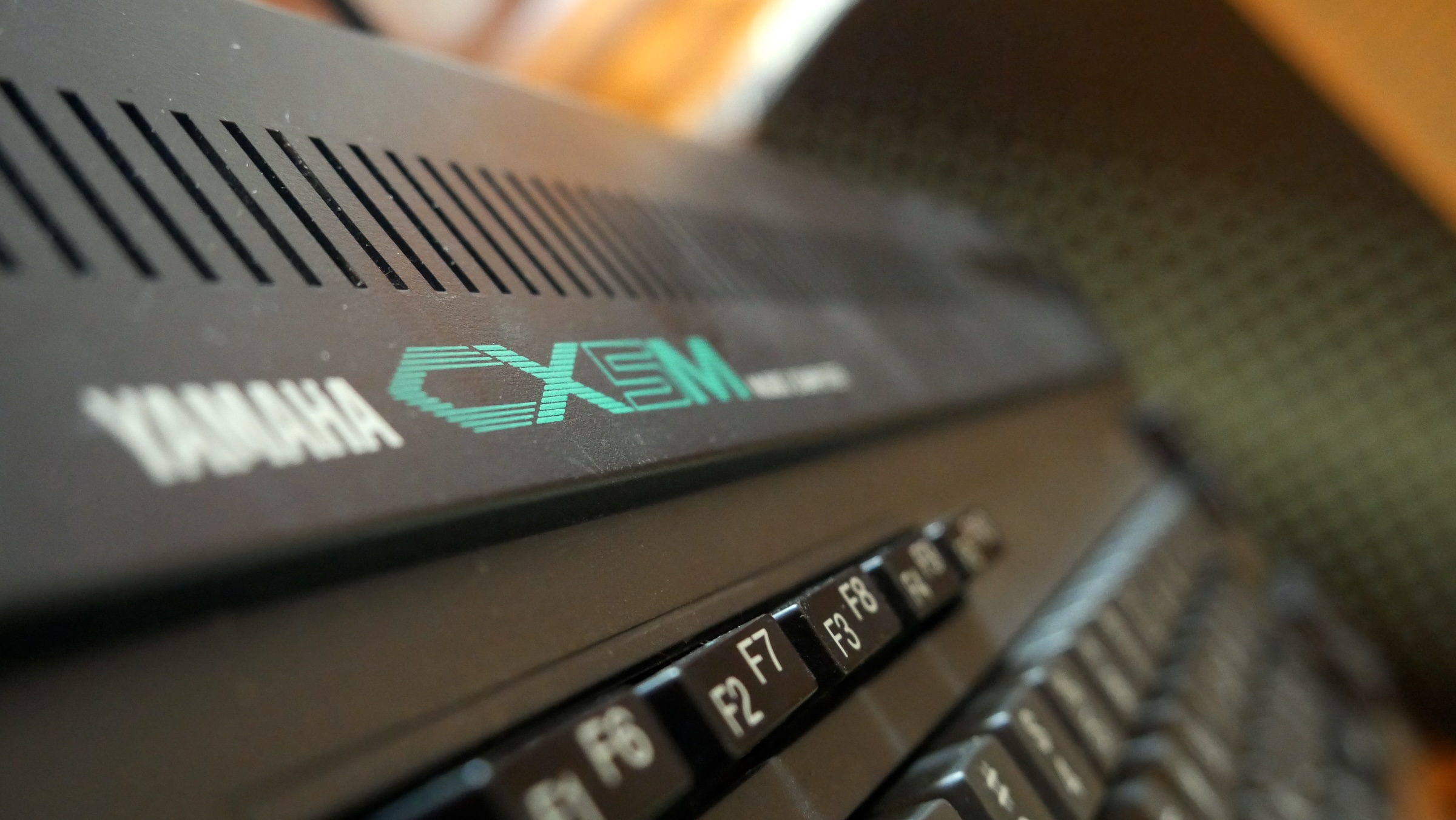
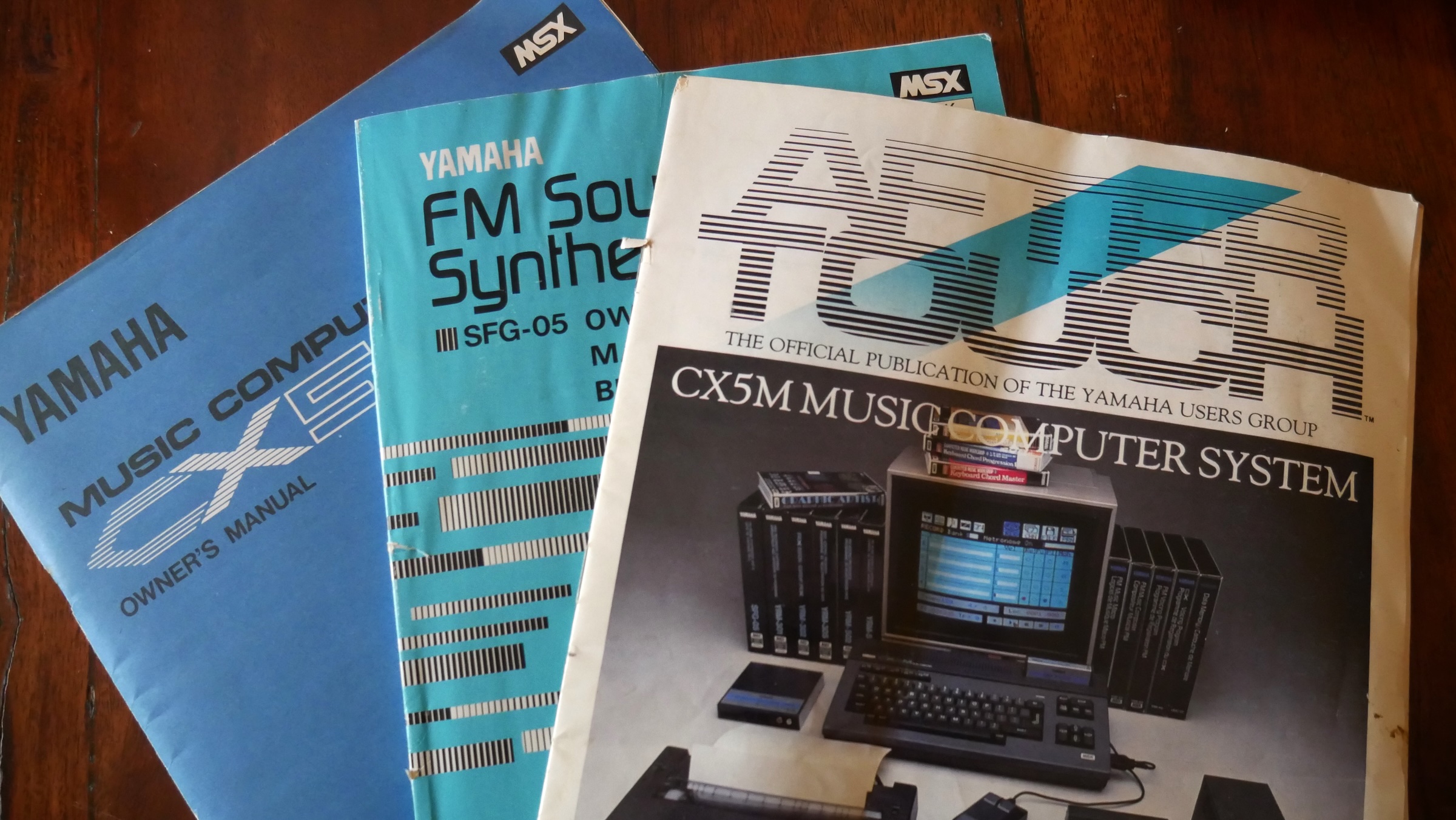
The 1984 Yamaha CX5M computer is a story all its own — imagine a Zilog Z80 computer with a built-in eight-voice FM synthesizer module, plus support for the then-brand-new MIDI standard. You had early music creation software (Voice Editor and Music Composer), plus support for games via the MSX standard. But nowadays, the main appeal of the CX5M — like its keyboard brethren — is the sound engine. And you get that running on your computer with chipsynth OPMZ.
And indeed, Yamaha made everything.
Enjoy more shots of the machine, courtesy Milan Viens:
chipsynth OPMZ
Plogue has done us a favor. They’ve saved us from too many half-working flea market finds. Or, maybe more to the point, they’ve saved us from a world without access to this unique instrumentation and its sonic creativity. It’s grounded in all this physical hardware — every detail of each circuit, every peculiarity of the digital software and chips. You get your hands on it and feel all those endless hours of reseach and work, but then you can just play.
So just at a moment when it seems like “digital” or even “synths” will just be a commodity, OPMZ is the latest proof that these instruments have their own history and life.
chipsynth OPMZ joins the full Plogue range — so when it’s C64 you crave, that’s available, too.
Available now for macOS, Windows, and Linux as VST3 and CLAP, plus AAX (Windows/macOS) and AU (macOS).
https://plogue.com/products/chipsynth-opmz.html