Cheap handheld gaming consoles now often pack surprising processing power. But many risk ending up as e-waste. A new open-source project is turning them into powerful Linux music workstations, instead, complete with the ability to run plug-ins—and original games, too. Oh, and the project has some familiar faces involved. Here’s an exclusive first look.
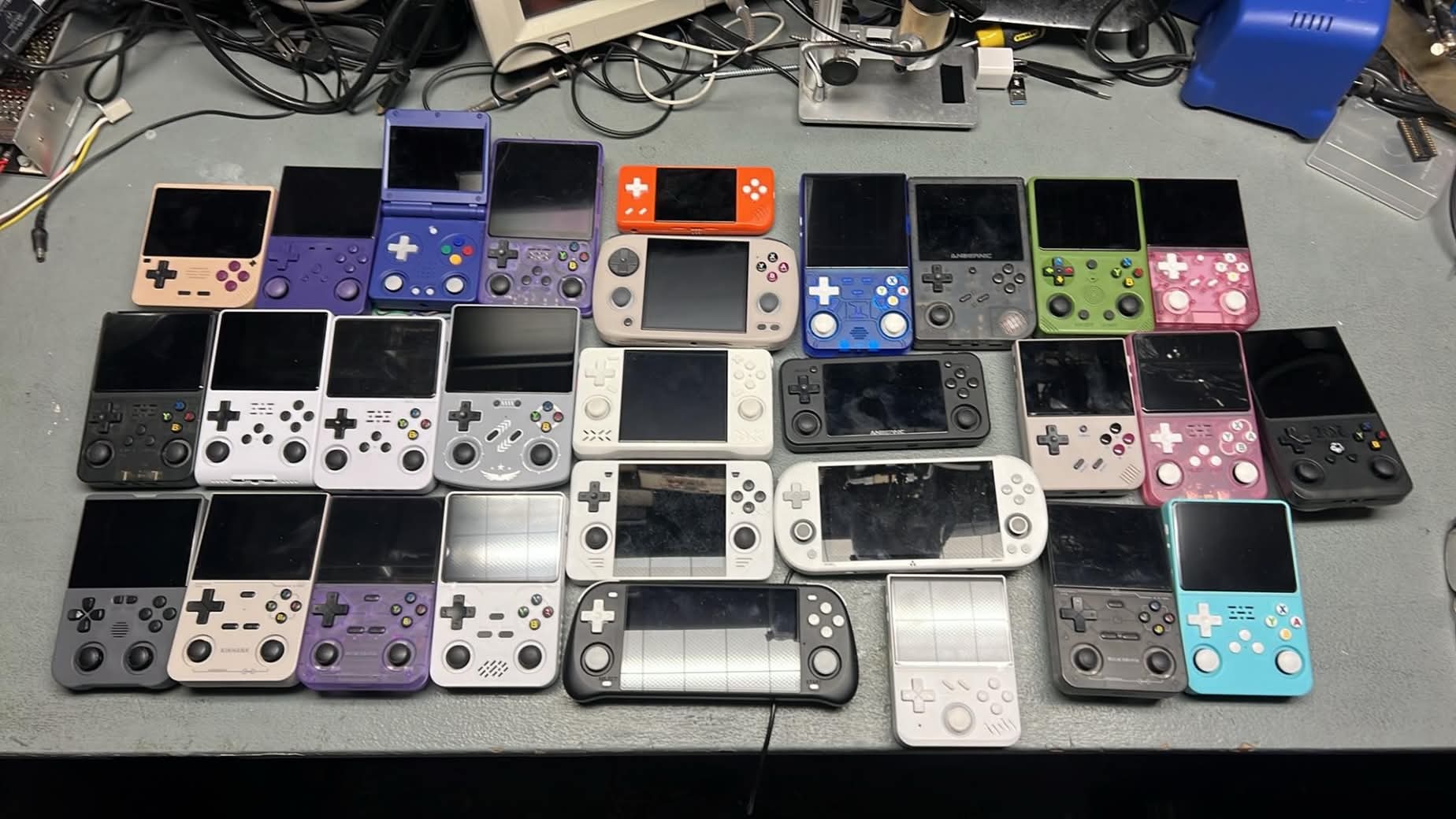
David Viens of Plogue has been doing it again — collecting and hacking piles of hardware (as seen recently with his plug-in based on the sound chip in games like Mortal Kombat). This time, it’s these adorable and surprisingly nice game consoles you’ll find for around $40. And he has a unique idea: why not a full-blown Linux distro packed with original music apps and games, plus the ability to run any plug-in compiled for the platform (commercial/proprietary ones included).
And just wow:
The team so far (this will be an open, collaborative effort, not a Plogue product):
Audio Damage, Baconpaul (surge synth team), David ‘plgDavid Viens (Plogue), Chad Beckwith (fisound) herrprof (ToiVIlle)
It’s like the instant gratification of all these AI projects, but handled by experienced adults. And the goal is bring the system to life, not accidentally brick it. More on that soon.
I mean, you had me at I can run chipsounds plug-ins on a handheld. But there are so many fun, new ideas here, too — something fresh and inspiring from our favorite plug-in devs. The commodification of computation has led to lost incomes and an increasing amount of pure slop — what a CDM reader called gray goo.
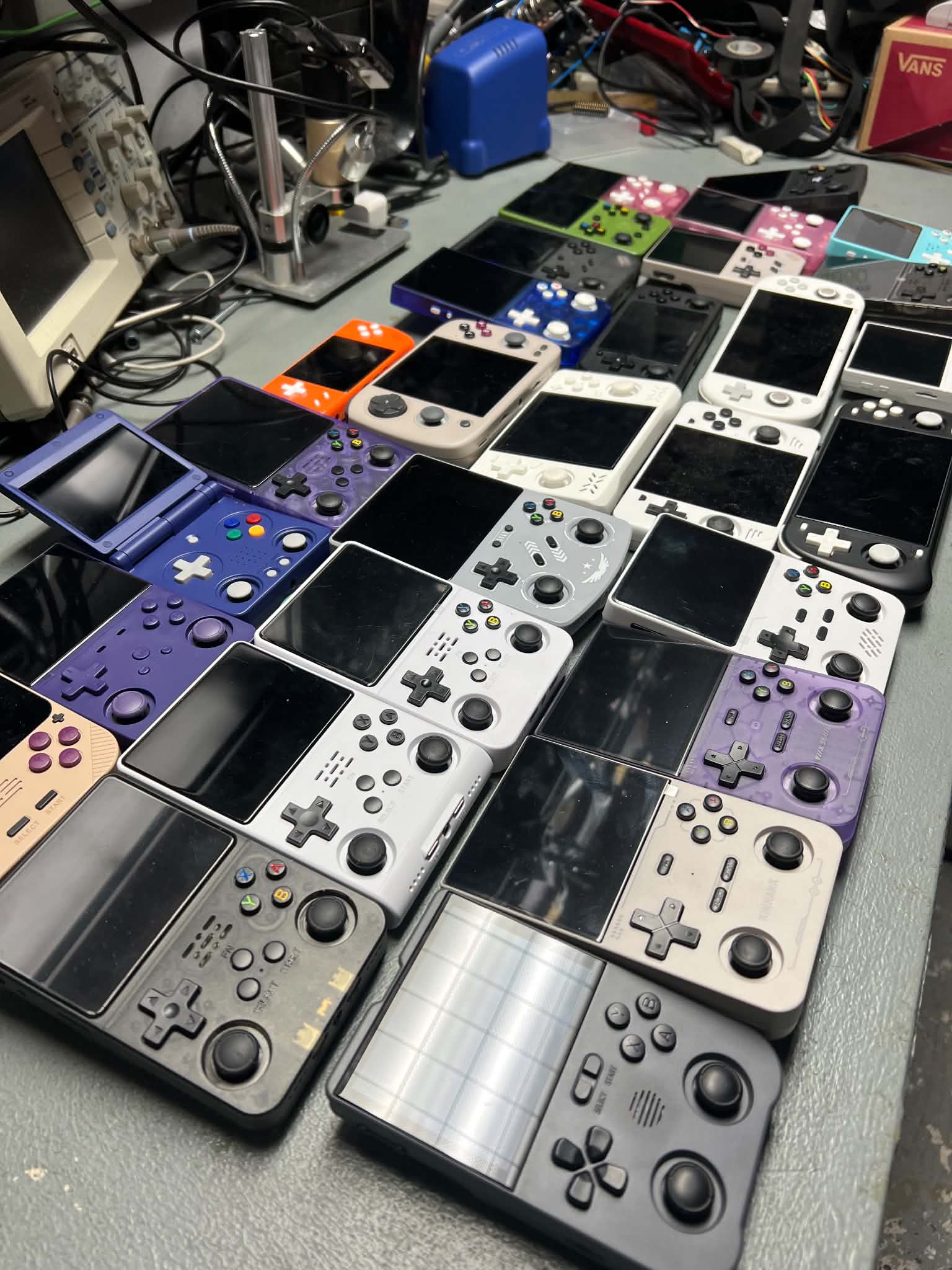
This is the opposite of that. You still get a dirt-cheap piece of hardware — one you can impulse buy for yourself and give away as gifts without a second thought. But you can save devices from the landfill. You can run plug-ins you’ve bought, supporting developers who put care into their work. And you can support the existing free and open source community on Linux, including projects with decades of work behind them. (This is far from the only project to do that, broadly, but I’ll share more on that topic soon! For these gaming consoles, this is an exceptional level of polish and expertise.)
David explains:
Any linux CLAP compiled for aarch64 should work as is. The front end ‘sndstation’ app in the distro manages CLAPs globally and provides hosting code, hardware abstration layers for SD cards, network, analog sticks dpads and buttons. MIDI 2.0, USB networking gadgets its linux so anything mainline Debian linux supports can used made.
Lowest machine we support is the ultra common “Rockchip RK3326” chipset, with 1GB ram. You can find these used and new by the million since they were released in 2020 ish https://handhelds.wiki/Category:RK3326
Yeah, back up: it’s very likely the $40 gaming handheld you bought from China will have MIDI 2.0 support before your DAW. Ha.
See also: https://handhelds.wiki/Category:Allwinner_H700 for more on devices.
Plus, we’re getting all-new ideas from some of our favorite devs. There’s a new sequenced instrument from one of the Surge team (baconbeats!):
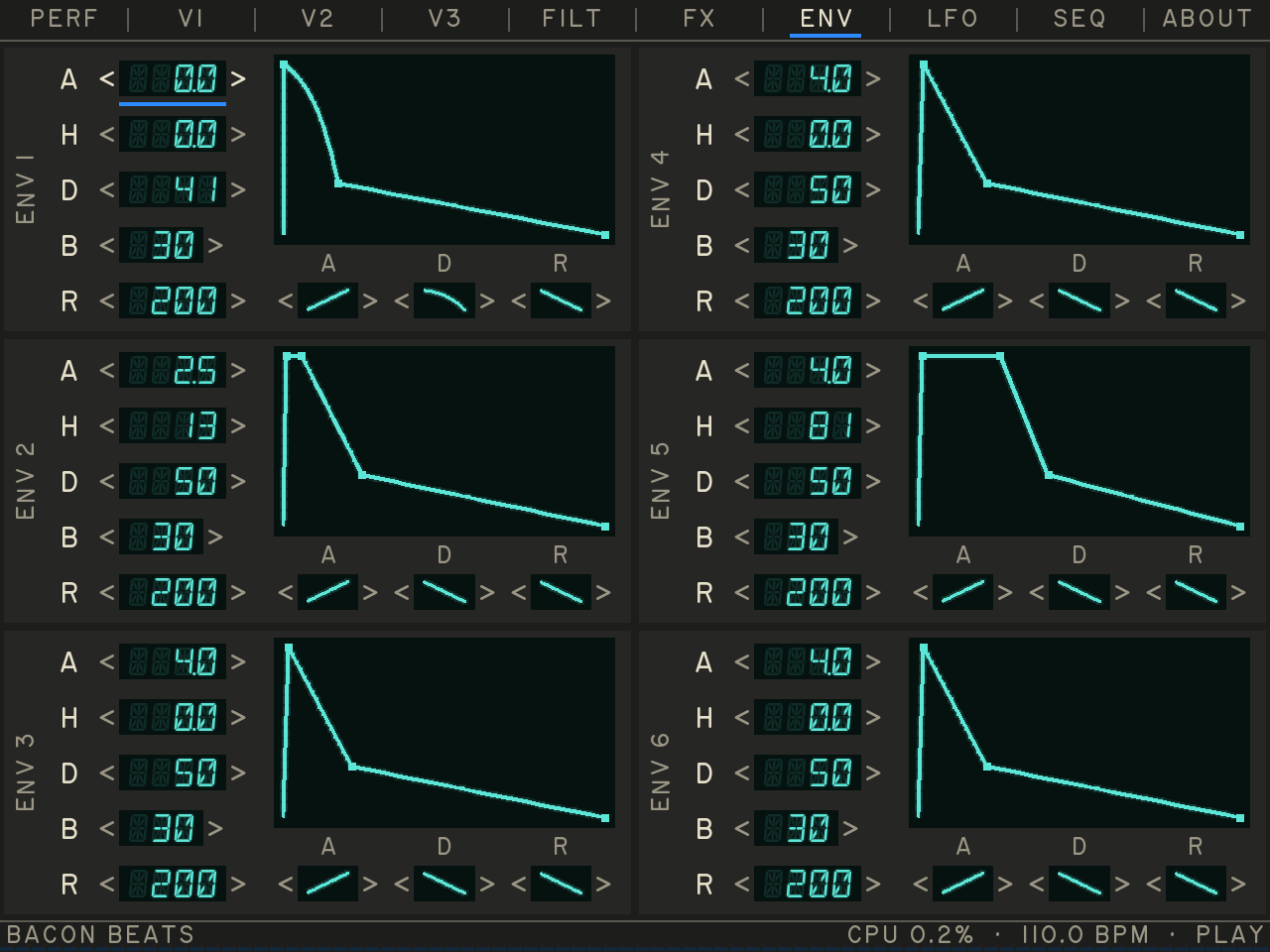
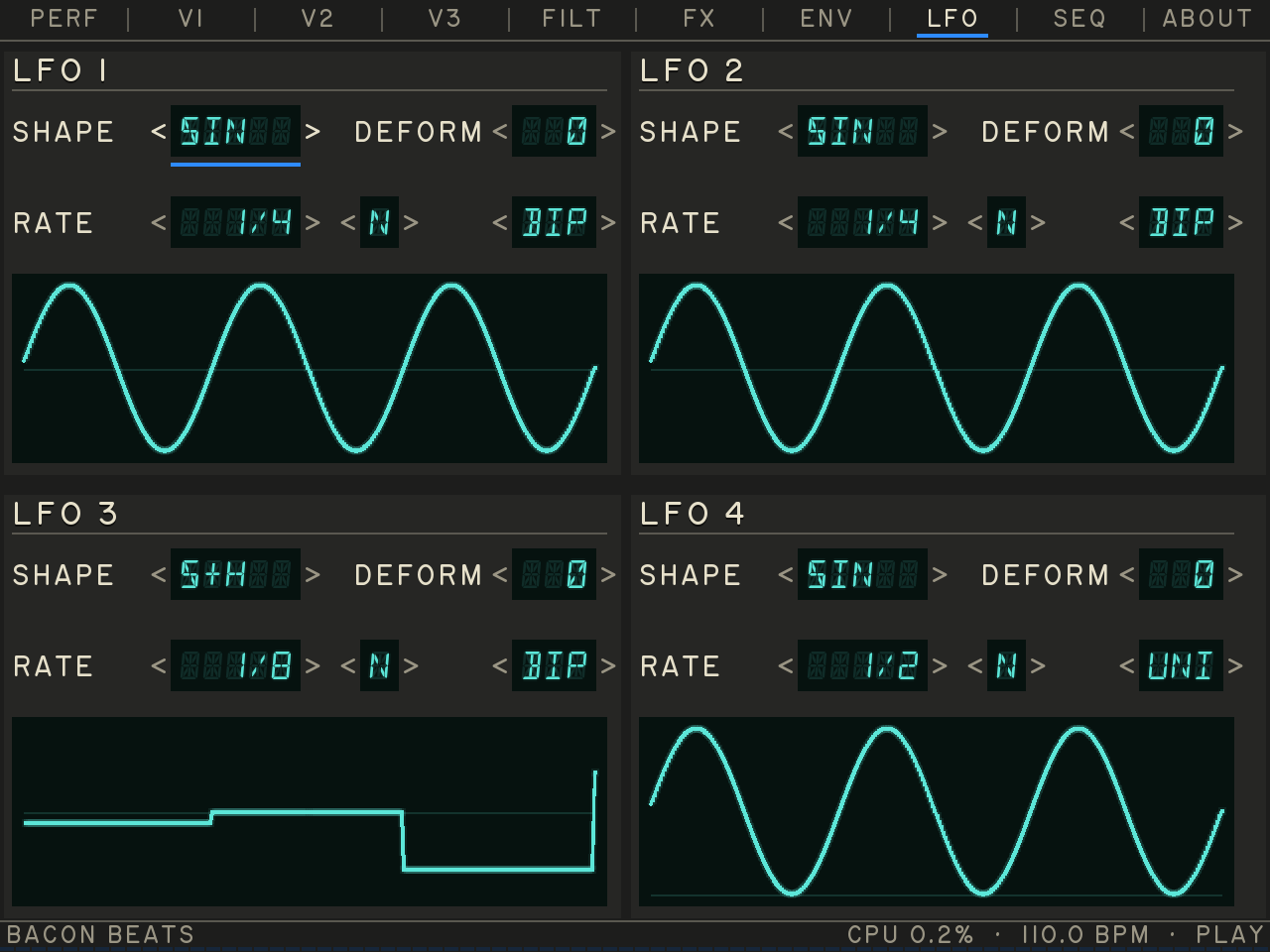
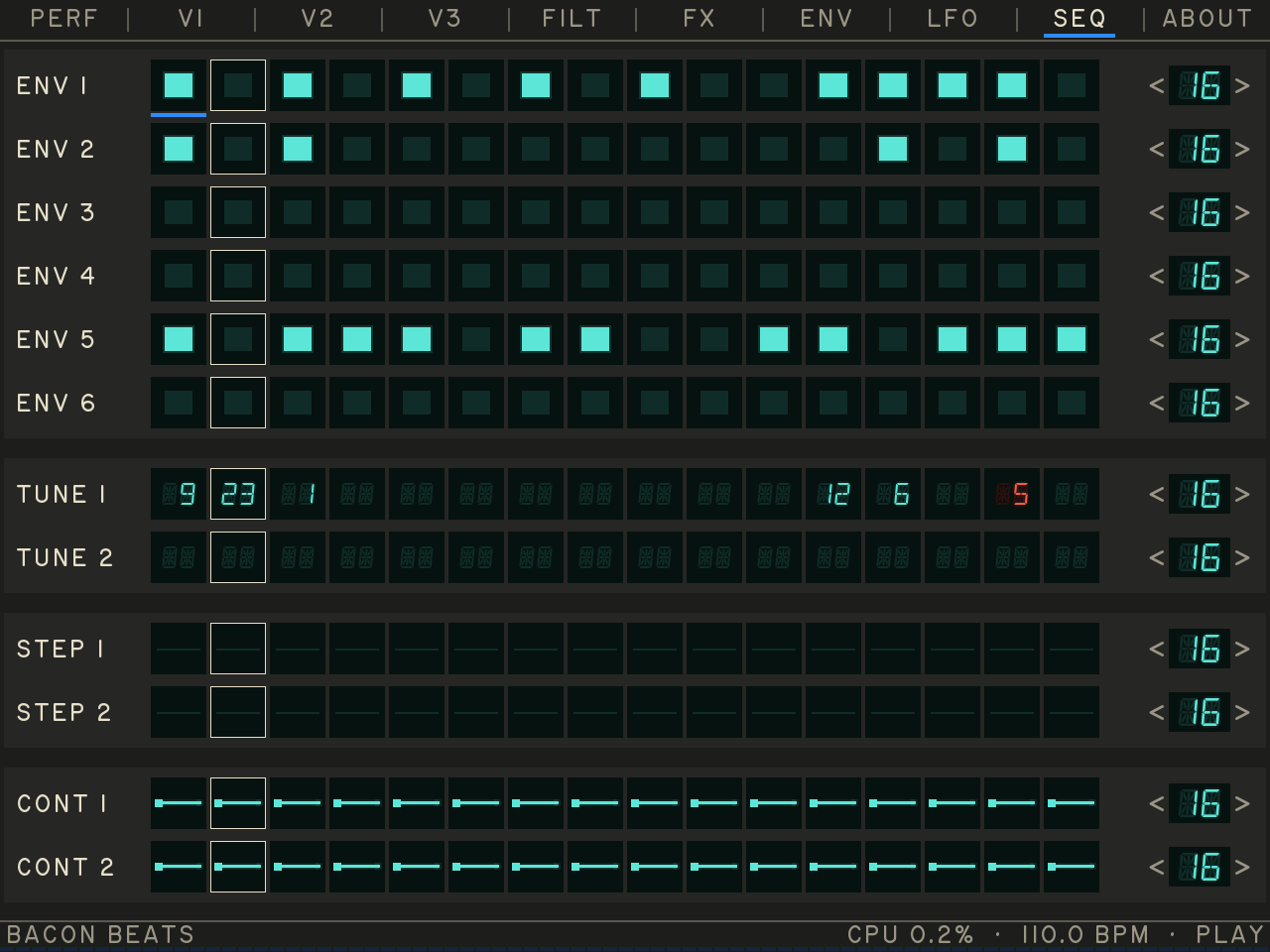
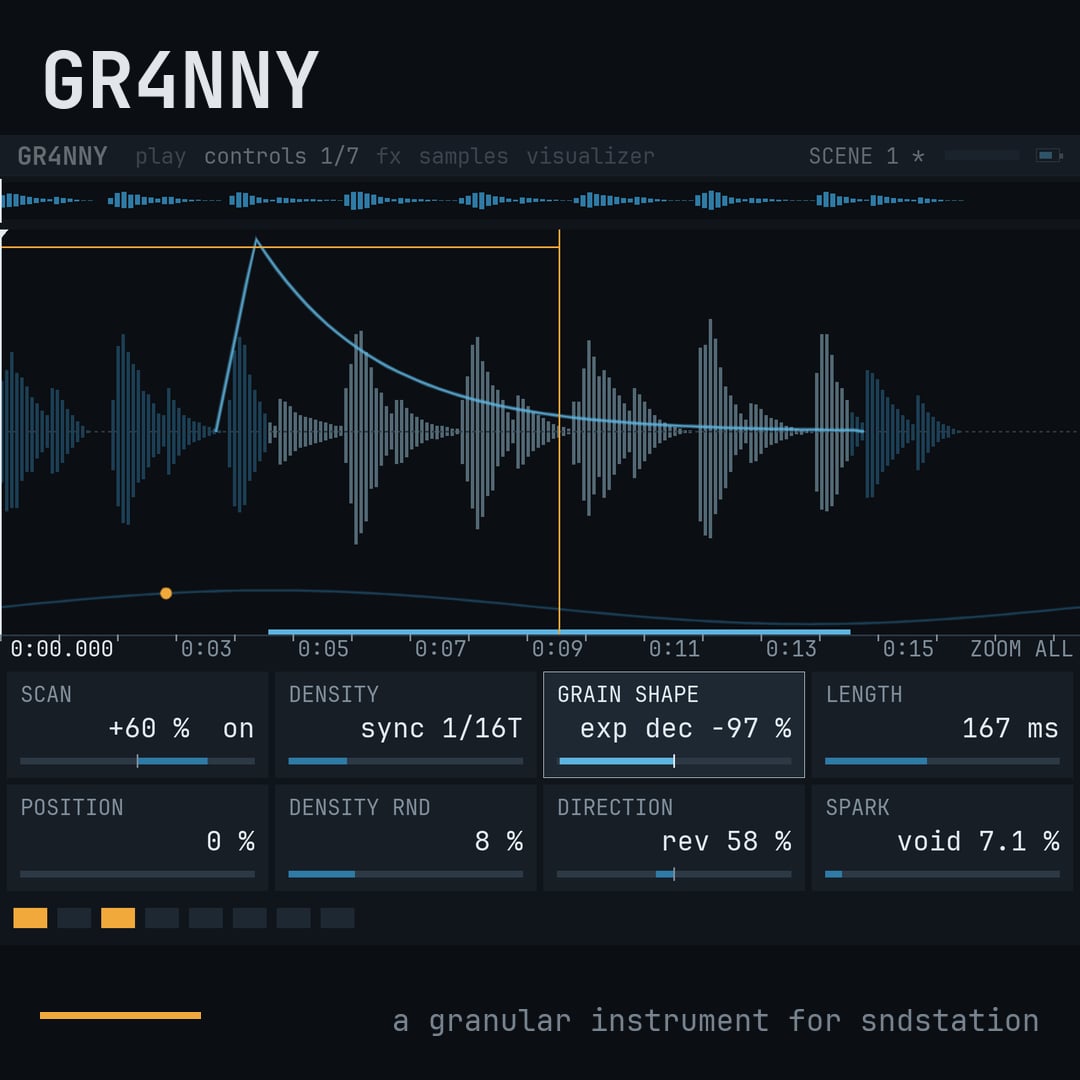
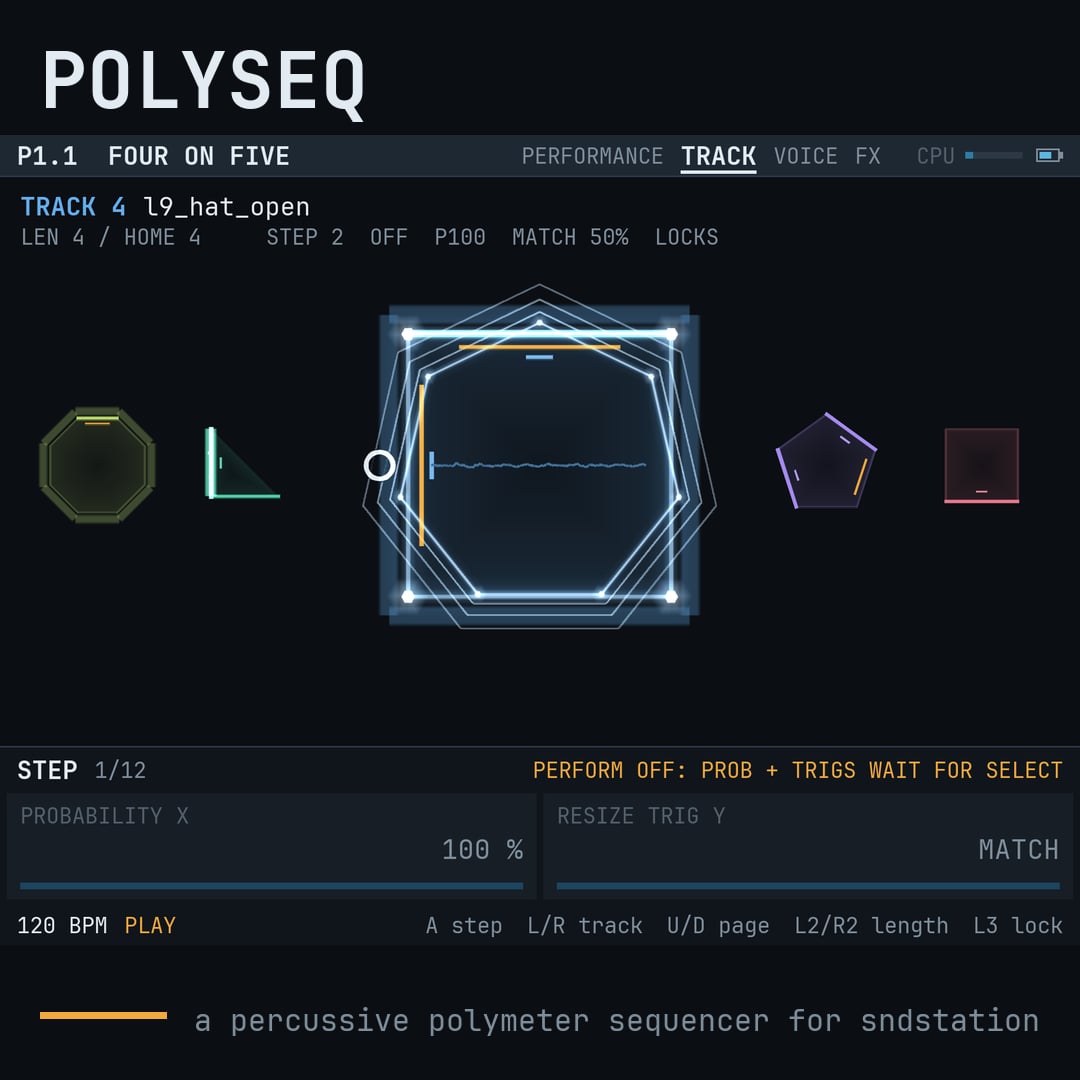
And the rest… well, I’ll let you figure it out from the screenshots while we wait on more details. But suffice to say we get a game from Chris Randall for the first time.
That’s important, though, as we get new titles built specifically for this form factor. With everything moving so fast, there’s a chance to have a new hit on the level of LSDJ or nanoloop on the Game Boy, or mlr for the monome — not just by porting something we’ve seen before.
I have more to say about the potential dark side of AI. Chris Randall wrote a terrific piece that put into words what a lot of us had been thinking and talking about — eloquently dubbed Slopapotamus…
But computation and digital music have always been a multi-headed hydra. We stand on the shoulders of giants, but also on the backs of a ton of toxic waste and military/defense technology. sndstation looks promising — a chance to breathe some joy and life into the project. And honestly, if you want to hand-code your plug-in and skip the LLM, you can do that, too. I’ll try to catch up on some of those projects, generally, from both experienced makers and newcomers.
For sndstation’s part, there’s nothing to download yet. But you can keep an eye out here and on their BlueSky account:
https://bsky.app/profile/sndstation.bsky.social
And I’ll be keeping an eye out for a handheld. I mean, one will be fine. And one or two to give away to people in need.