It’s the format that changed software music making forever: the VST plug-in format turns 30 this year. Steinberg is giving away updated versions of Neon, CS-40, Karlette, VB1, and LM7 — some of its earliest plug-ins — to celebrate. And that means you can run these vintage instruments (plus one tape delay) on your modern Mac or PC.
Okay, first: it has been 30 years since 1996. Second, with that bombshell out of the way, let’s talk plug-ins.
Steinberg’s format is so ubiquitous that saying “VSTs” has become synonymous with just meaning software instruments and effects, let alone plug-ins. (You’ll even sometimes hear “it’s a vee-ess-tee” when people mean DSP!)
And now we’re just getting a summer of media archaeology, software preservation, and music-making on vintage stuff. I’d argue that it’s not about nostalgia — least of all when some users are returning to tools that were made before they were born. It’s a rejection of the idea that only what’s new is better, or that even software has to be disposable. And why not? We already had to go back and rescue modular and analog synths from literal trash bins. It turns out people can love software years and decades after its creation.
Here’s what you get free from Steinberg today — I tried locating their origin stories, but as they were bundled with ancient versions of Cubase, that wasn’t easy:
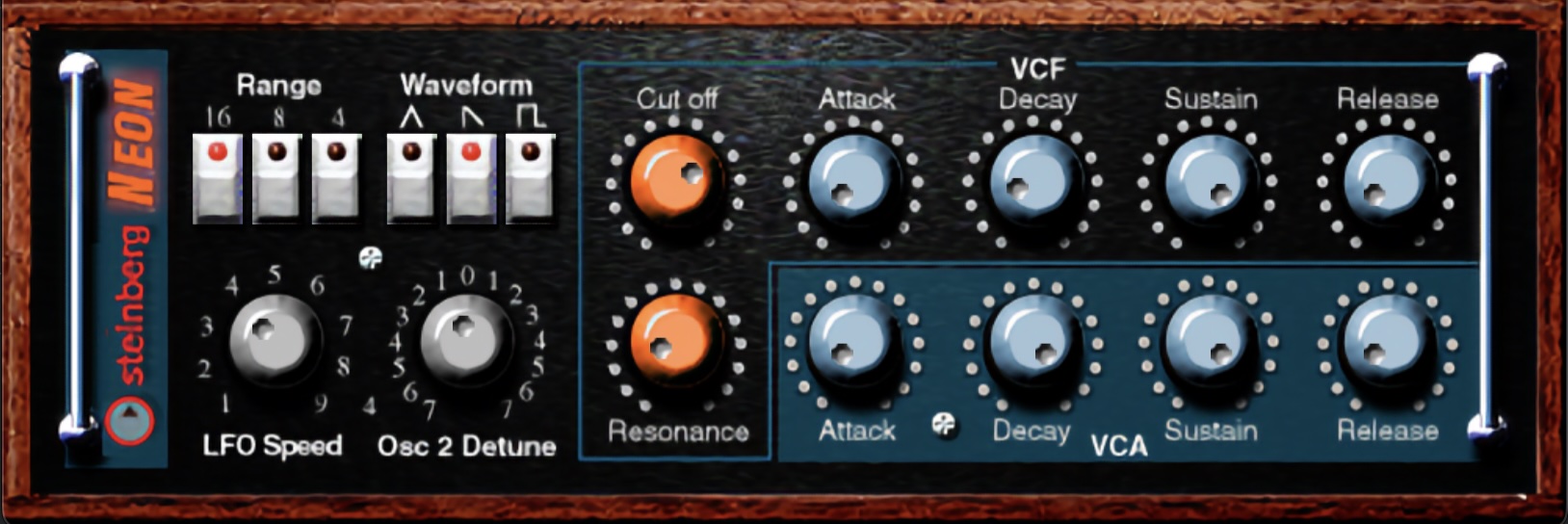
Neon (1999, Cubase 3.7) subtractive synth. Neon is especially important, as it’s the first instrument VST to ship — part of the then-new VST 2.0 format.
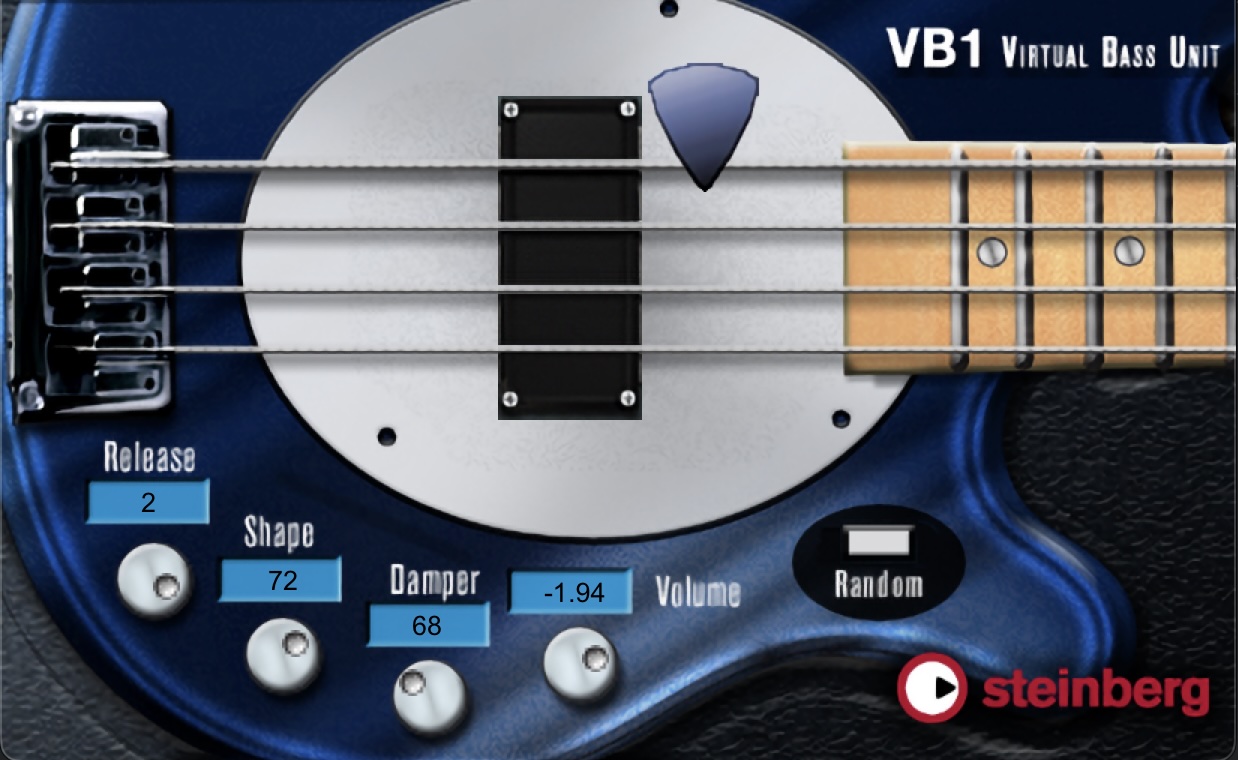
VB-1 Bassist bass with pickup and tone controls — already a free favorite after it was re-released as freeware; now updated.
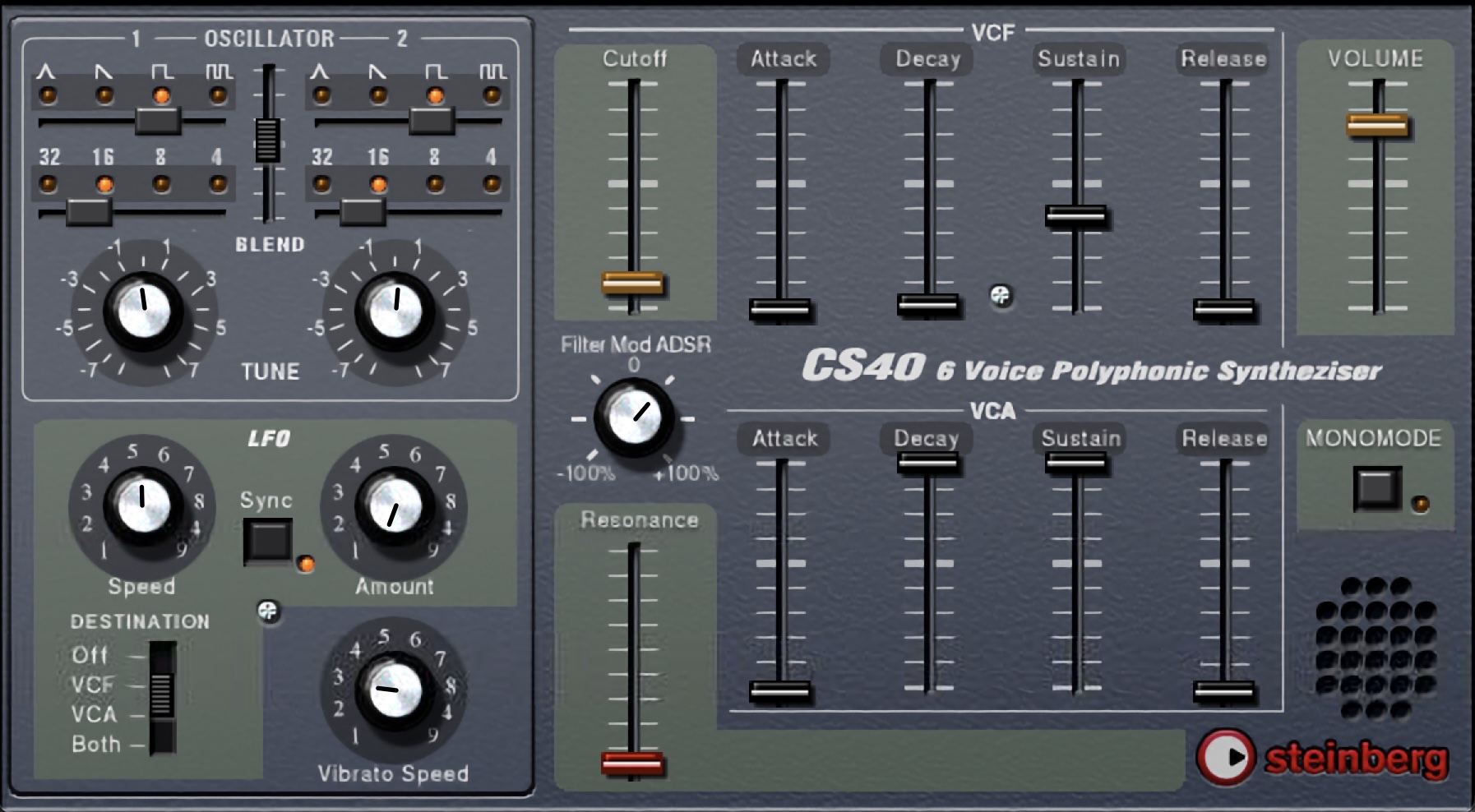
CS40 (early 2000s), polysynth.
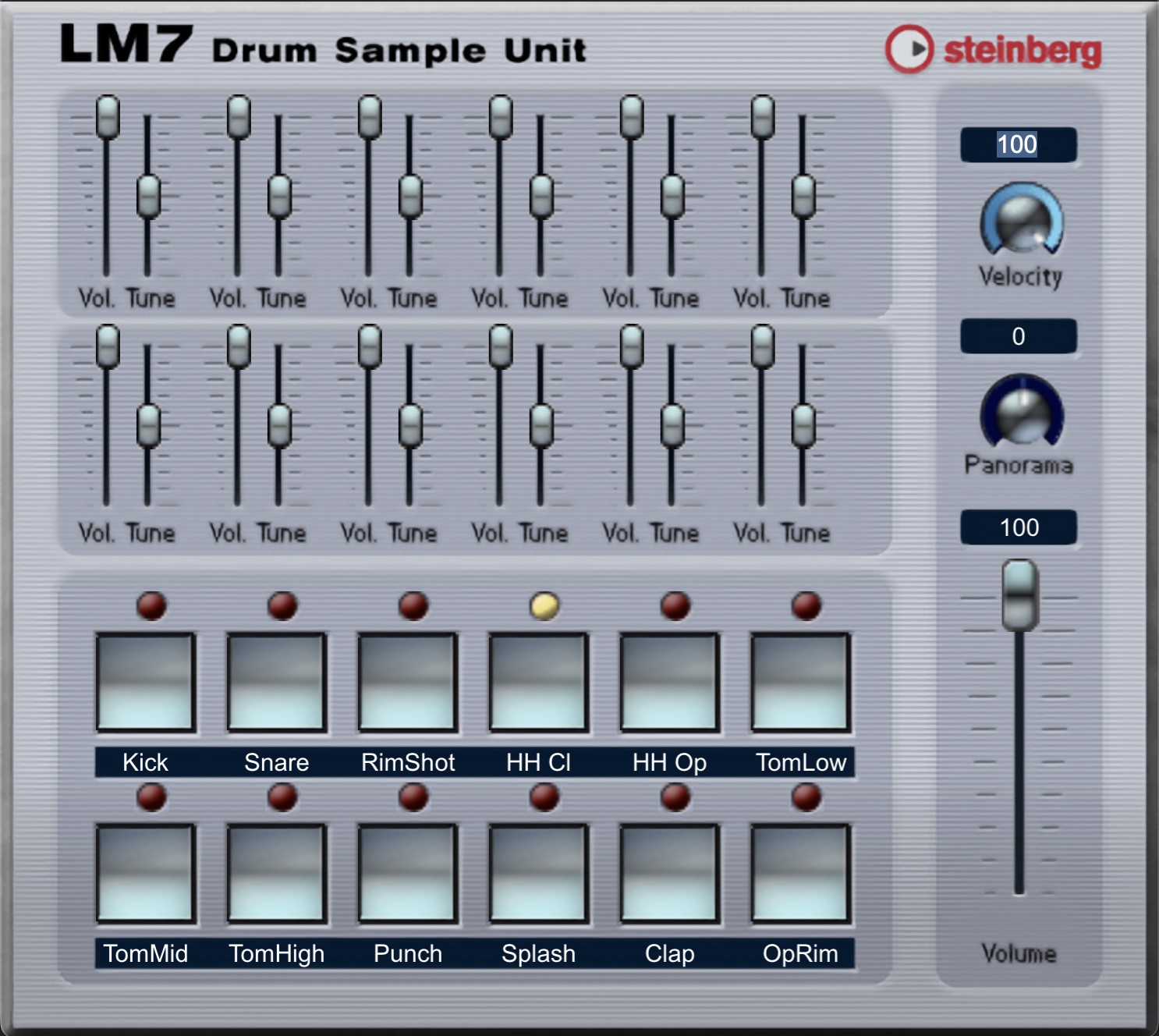
LM7 sample-based drum machine.
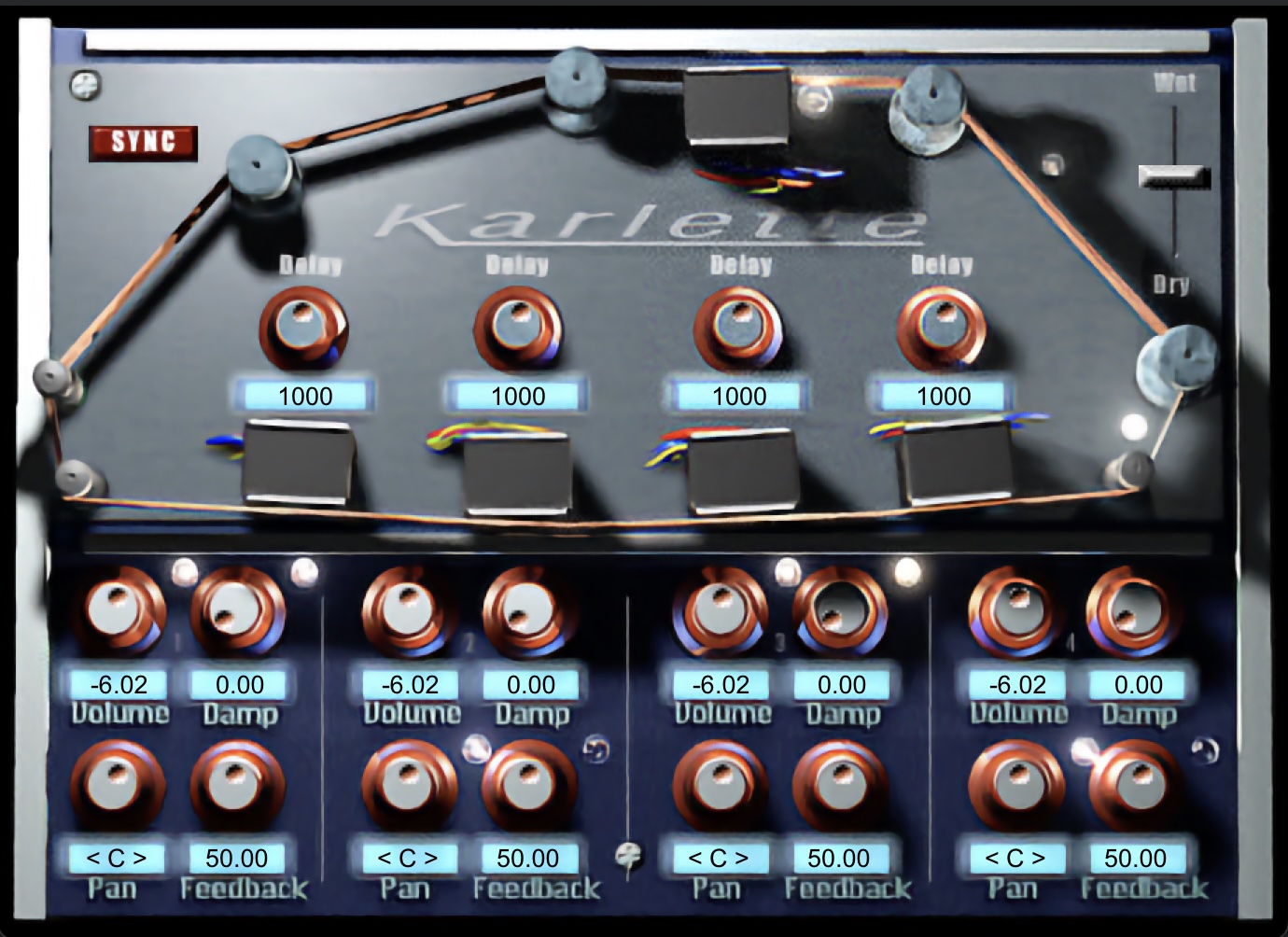
Karlette tape delay.
Some of these are free or floating around, but this also means compatibility with machines that couldn’t run the earlier versions — and Steinberg has been generous with compatibility on the Mac.
All the plug-ins are updated for 64-bit on both platforms, both Intel and Apple Silicon on Mac, and VST3, plus Steinberg’s updated license activation. (I wish they’d skipped the license activation and supported Linux, too, but hey, they’re free.)
Windows 10 21H2 / Windows 11 2H1H2 are the minimums for PC, with macOS support for macOS Big Sur 11 and later — meaning NVIDIA Intel Macs are supported, too. (I’m saying “modern” systems, but these are also candidates for some 2013 machines, too!)
I, for one, welcome the vintage software renaissance. Due credit to Missing Music and Obsolete music software — and Roger Helfers, Jeremy Williams, Paulee Alex Bow, and Suren Seneviratne (My Panda Shall Fly), among others!
Go grab them:
https://www.steinberg.net/vst-instruments/steinberg-classics
PS, if you have an older machine, it appears that Steinberg has the download for the earlier collection — also dubbed “Steinberg Classics” — volume 1 and 2.
More Steinberg history
VST debuts in 1996 — the first SDK and spec.
1996’s Musikmesse is the public debut of VST and Cubase VST (Cubase 3). As Sound on Sound wrote at the time:
“This year’s show-stealer at Frankfurt’s Musik Messe, Steinberg’s Cubase VST isn’t just another ‘MIDI plus Audio’ sequencer — it adds the effects and processing options hitherto only available in expensive TDM systems, for the same price as the previous, non-audio version of Cubase.”
It’s a huge breakthrough, as any Power Mac owner (PowerPC, not 68k chips, were required) got plug-in capabilities. Speaking of “plug-ins” — that was the term, with the hyphen, already in 1996. SOS noted that included four plug-ins:
- Espacial “editable” reverb
- Choirus chorus/flanger
- Stereo Echo
- Auto-Pan
Come on, Steinberg, if Nintendo can re-release ancient game ROMs of titles that are near-unplayable by today’s standards, you can bravely rerelease Espacial or Choirus! (Uh, if someone can find the code!) That was apparently a short-lived trend of Steinberg using Spanish in its brand names; maybe someone was just back from holiday?
Cubase will remain “Cubase VST” for added emphasis, through Cubase VST 5.0 in 2000, before switching to Cubase SX in 2002 as the “next-generation” version of the DAW.
VST 2.0 with instrument support debuts in 1999, making MIDI input possible for the first time (and introducing the concept of the “VSTi,” as in instrument).
VST 2.4, for many the gold standard in VST, is released in 2006 — including 64-bit precision for the first time. (That’s distinct from 64-bit computation, by the way, if related.)
VST 3.0 in 2008 adds audio ins for instruments, multiple MIDI I/O, and more, followed by VST 3.5 with note expression in 2011 (which in turn helps indirectly lay the groundwork for more expressive instruments and MPE).
VST 3 goes open source in 2025.